


2011 Chateau Haut-Bages Liberal Pauillac estate spotlight

The market on this bottle
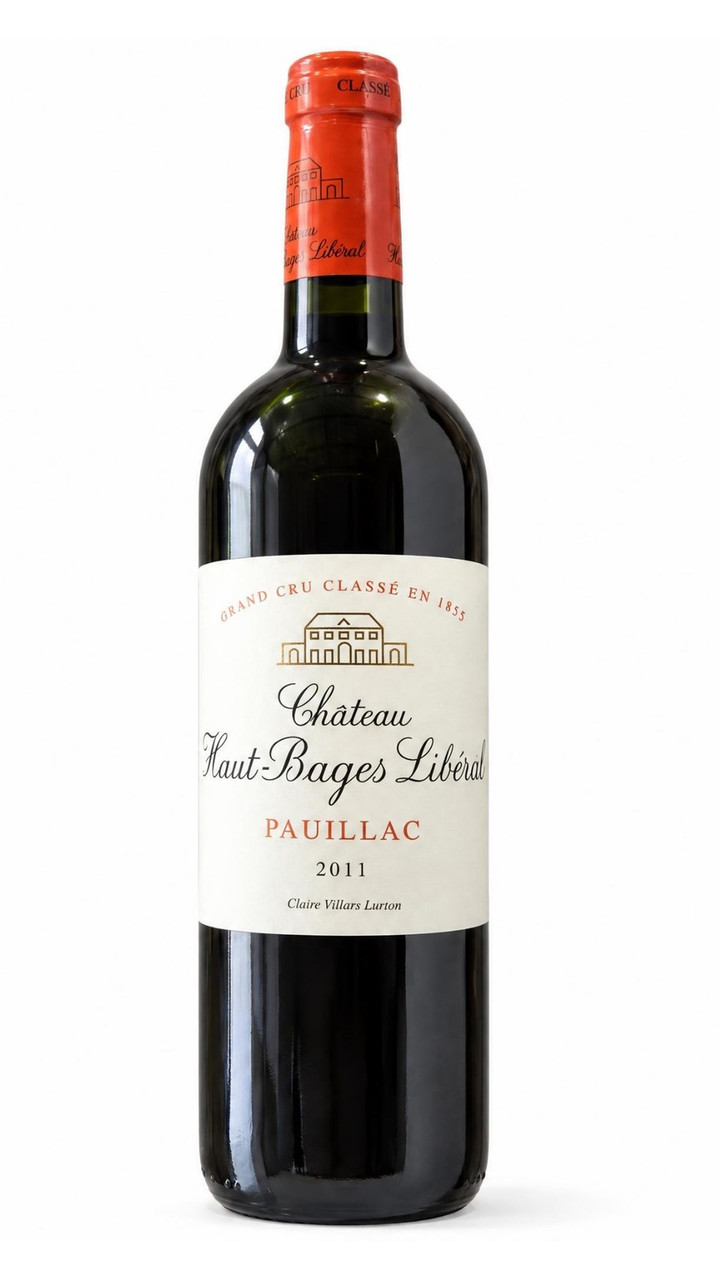
Wine-Searcher tracks this 2011 Chateau Haut-Bages Liberal Pauillac, France across the open market. Their published U.S. low is $49.40 and the average is $49.40. Our slash is $49.00.
2011 Chateau Haut-Bages Liberal Pauillac
Fifth Growth of 1855, Pauillac. James Suckling 93. A library vintage.
Would you open the 2011 while the 2009 and 2010 are still sleeping? James Suckling tasted the bottled wine and gave it 93. He wrote of a true beauty and succulence, a full body, fine tannins, and a subtle fruity finish, and he called the clarity and the finesse the point of this vintage. He thought it would be better in 2017. It is 2026. The bottle is $49.
This is an amazing library vintage. Fifteen years in the cellar of a Fifth Growth, with the château's sheet still giving the wine a window out to 35 years, and with 2009 and 2010 left to sleep. Claire Villars Lurton has had the house since 1993. The estate calls it a Pauillac in lace, power and energy with a limestone freshness that is unusual in this commune. This is the bottle you pull from the library and open.
The vintage you open while the great years sleep.
Claire Villars Lurton is the third generation of the Merlaut family. After her parents died she joined her grandfather Jacques Merlaut in 1993 and took Haut-Bages Libéral, a Fifth Growth of the 1855 classification in Pauillac. Her mother, Bernadette Villars, had been one of the first women at the head of a classified growth. The château still talks about the wine the way that house kept it: power, energy, balance, and a thread of limestone through the middle.
2011 is the library vintage you open while you wait on 2009 and 2010. The sheet for this year puts the cellaring window from 10 to 35 years, so the bottle has entered the years they wrote down for it. Suckling's line that it would be better in 2017 has already arrived. What you add is the wine he trusted, with the greater vintages still lying quiet.
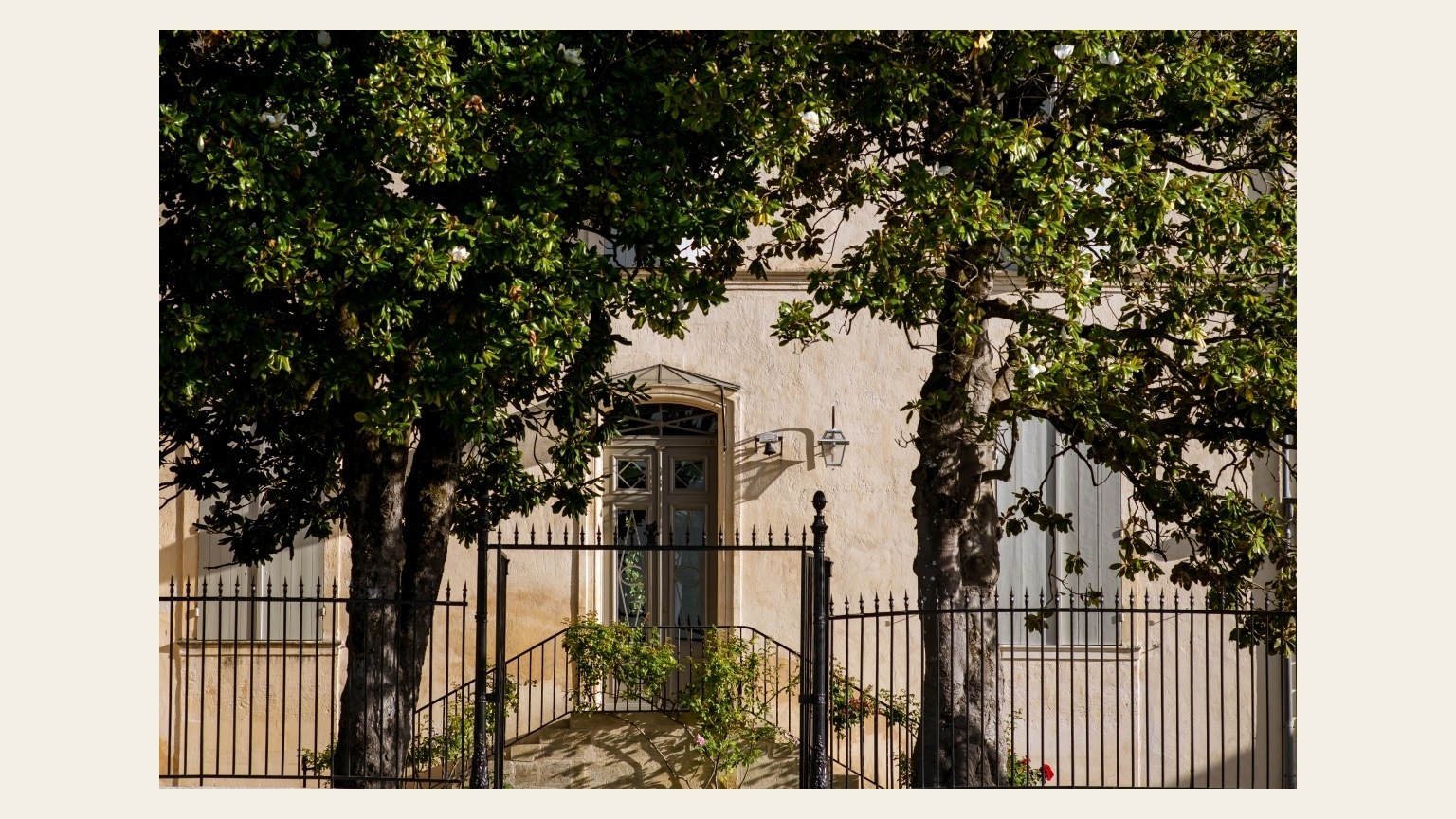
Claire Villars Lurton, la bordelaise engagée. La Cité du Vin filmed this interview with the proprietor.
The house
Claire Villars Lurton took Haut-Bages Libéral in 1993. Éric Boissenot consults.
The wine
This bottle is 70 percent Cabernet Sauvignon and 30 percent Merlot. Sixteen months in barrel, 40 percent new.
The score
James Suckling 93 on the bottled 2011. He wrote that it would be better in 2017.
The table
Shredded duck with cherries, and Basque sheep's cheese with cherry jam.
93 points, James Suckling, on the bottled wine.
James Suckling is the reason to trust the 2011 in the glass. On the bottled wine he gave 93 points. The sentence that matters is the one about beauty and succulence, a full body, fine tannins, and a subtle fruity finish. He called it clarity and finesse for this vintage.
He also wrote that it would be better in 2017. That date is behind us, so the note is no longer a promise about a wine you have to wait for. It is a description of the bottle on this page, the one to open while 2009 and 2010 stay in the cellar.
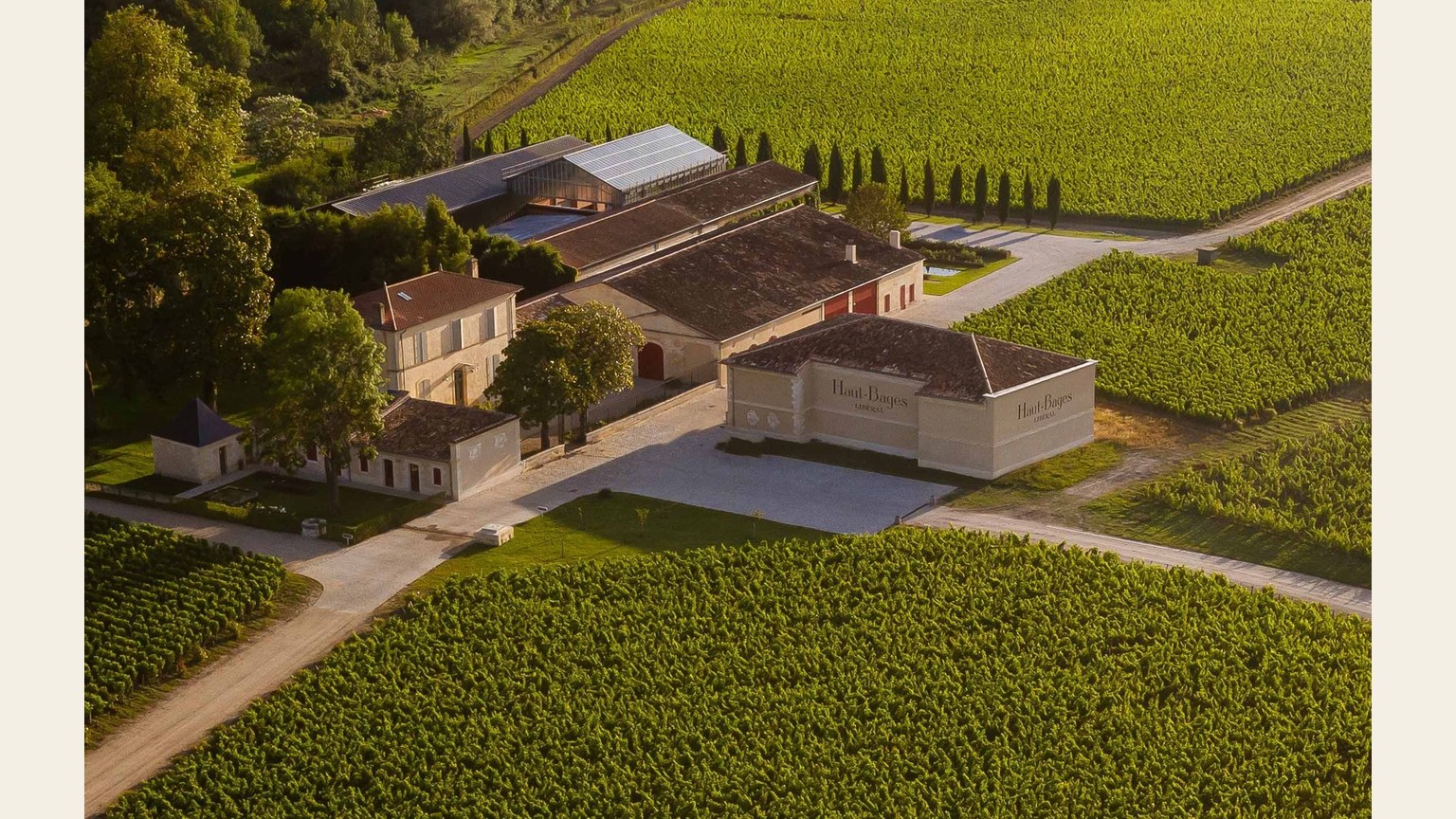

Power, then a fine line through the middle.
The estate's pairing language for the grand vin talks about fresh cherries, tangy notes, and an elegant minerality, the limestone showing through a Pauillac. The 2011 sheet speaks in the cellar's words: small berries, thick skins, beautiful phenolic concentration, tannins they call very elegant, and a wine that holds power and a very fine elegance at the same time.
Suckling's note agrees with the shape of that wine. Full body, fine tannins, a subtle fruity finish, clarity rather than weight for its own sake. The cherries belong on the plate, which is where the estate put them. The glass is the finesse he wrote down.
The year of a severe sort. Small berries, thick skins, and the finesse Suckling scored once the wine was in bottle.
Fresh cherries, tangy notes, and an elegant minerality. That is the estate's language for the grand vin, and it is why the plate is built on cherries.
Small thick-skinned berries, beautiful phenolic concentration, very elegant tannins, power and a very fine elegance together.
Full body, fine tannins, a subtle fruity finish. Clarity and finesse for 2011, and better once 2017 had arrived.
A severe sort, then sixteen months in barrel.
Claire Villars Lurton is the proprietor, and Éric Boissenot consults. This bottle's assemblage is 70 percent Cabernet Sauvignon and 30 percent Merlot. The same 2011 sheet plants the vineyard at 75 percent Cabernet Sauvignon and 25 percent Merlot, so the wine is a touch more Merlot than the rows. Vinification was the property's traditional one: concrete and stainless tanks sized to the parcels, temperature held, and 18 to 24 days on the skins.
The year made them sort hard. Winter and spring were dry, the vintage ran early, and a water deficit lasted into July. June heat caused coulure in the Merlot after flowering. Rain and storms in July broke the harvest, then a stable sunny week let the grapes finish, above all the Cabernet, which developed strongly. Yields fell about 20 percent, near 650 grams a vine. What remained was small and thick-skinned.
Élevage was 16 months in barrel, 40 percent of them new. The vines on that sheet were about 35 years old, planted at 10,000 a hectare. Out of that sort came the concentration and the elegant tannins the château wrote down, the same finesse Suckling would later score.
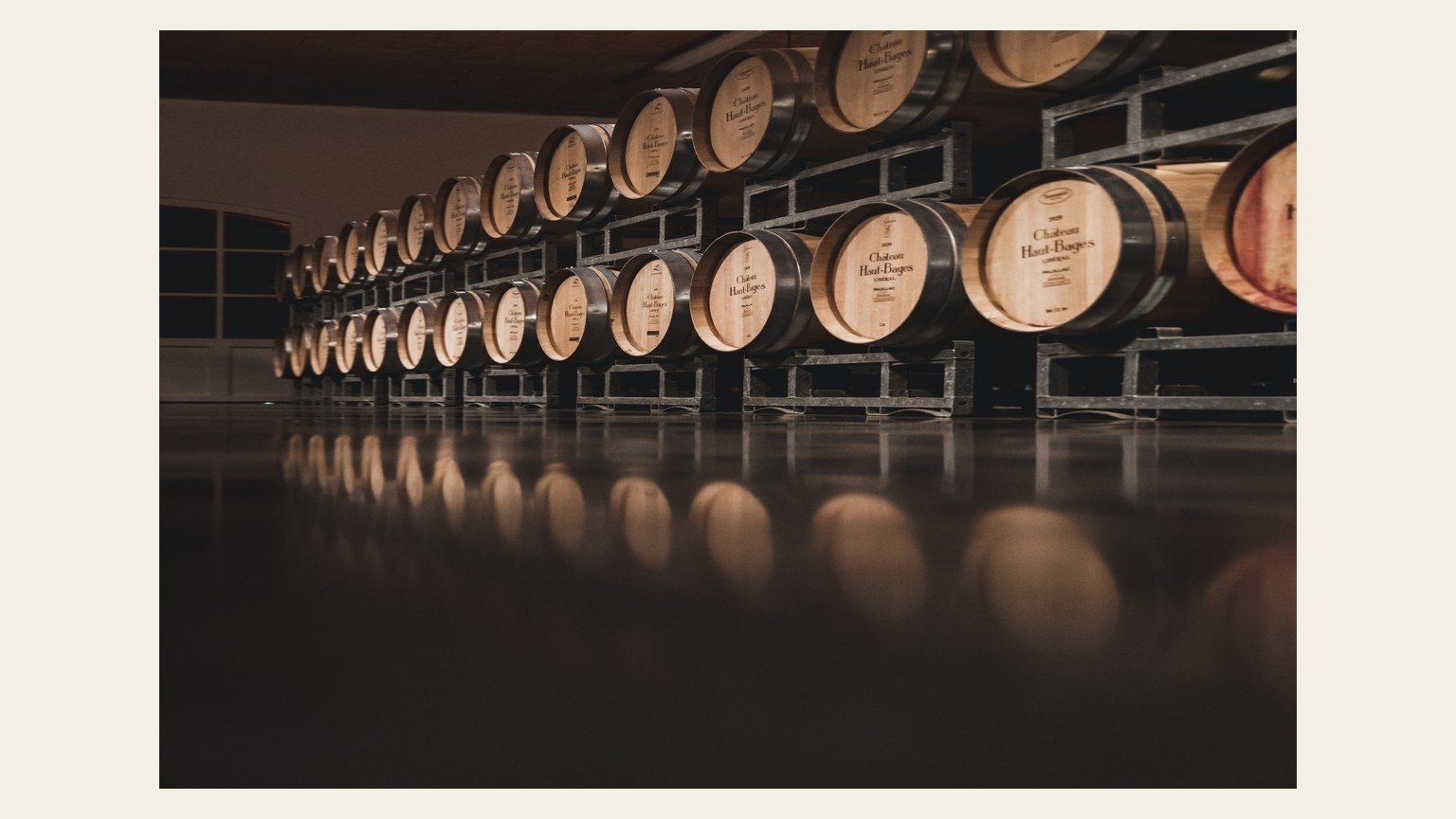
A Pauillac in lace, on the plateau of Bages.
Thirty hectares in Pauillac. The 2011 sheet describes Garonne Günz gravels on a clay-limestone base. The estate's own page adds the lay of the land: gravels of clay and limestone around the property, and deep gravels on the plateau of Bages. That limestone is why they call it a Pauillac in lace. Freshness and minerality sit inside an appellation that usually speaks in gravel and power.
Today the family calls Haut-Bages Libéral the pioneer of regenerative farming in the Médoc, agroecology and agroforestry on the same ground. Their vineyards have been managed organically since 2012. Organic certification for this estate is 2019. Demeter certification is 2021. This 2011 was made before those seals.
Château Haut-Bages Libéral Vintage 2023. This is the estate's own film of a later vintage, not the 2011.
Cherries on the plate, because that is the house.
The estate follows the cherry in the house style onto the plate. They name shredded duck with cherries, and Basque sheep's cheese with cherry jam, because the fruit is crunchy and tangy in the same way they describe the wine.
The duck linked here is seared duck breast with cherries and port, the same fruit the château put next to the glass. The cheese is the estate's own plate, sheep's cheese and cherry jam. Pour the 2011 beside either one.
The 2011 sheet puts the wine in a window of 10 to 35 years. This is the vintage to pour while 2009 and 2010 stay down.
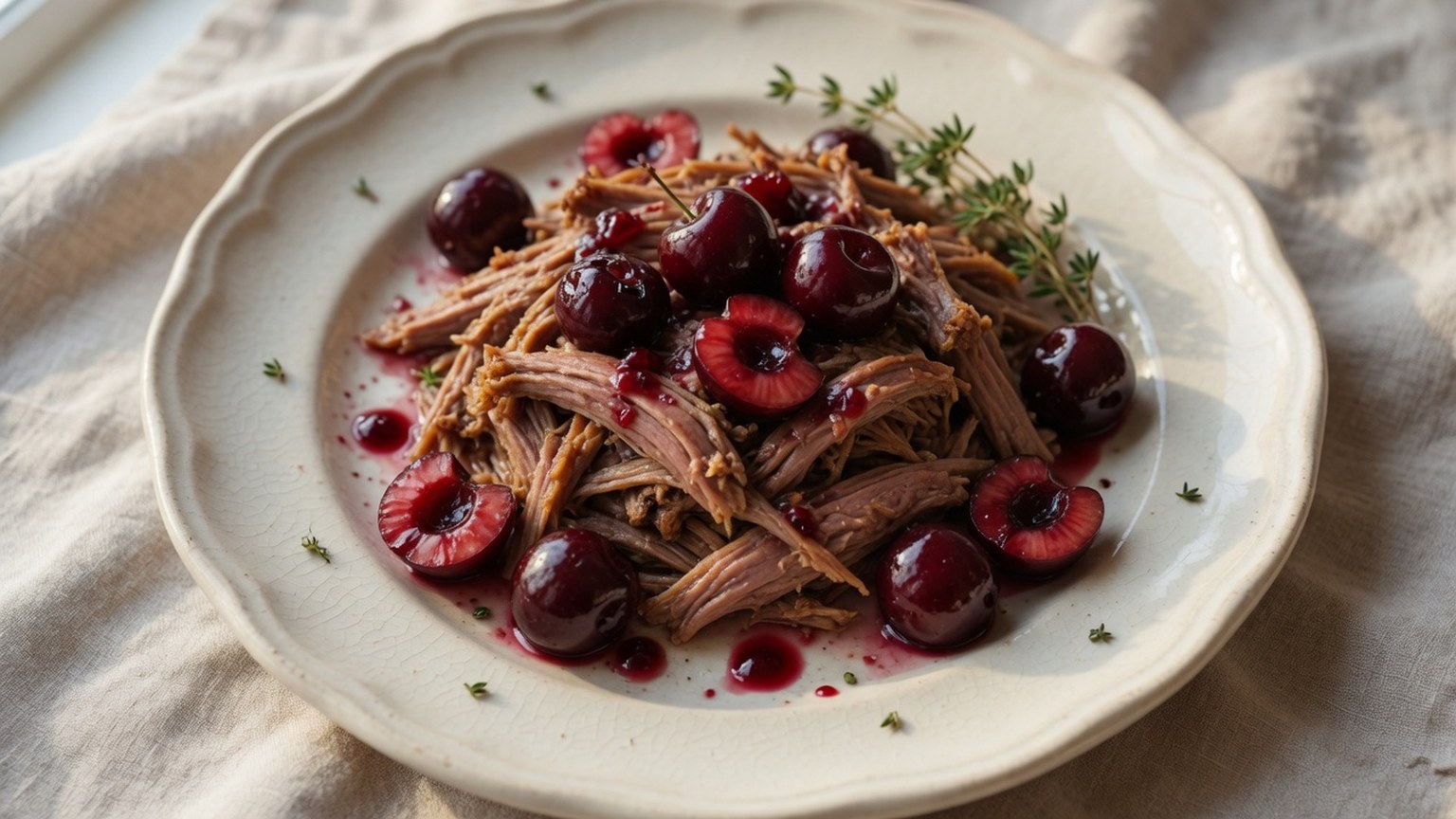
Shredded duck with cherries
The estate's plate. The recipe is seared duck breast with cherries and port.
Seared duck breast with cherries and port (opens in a new tab)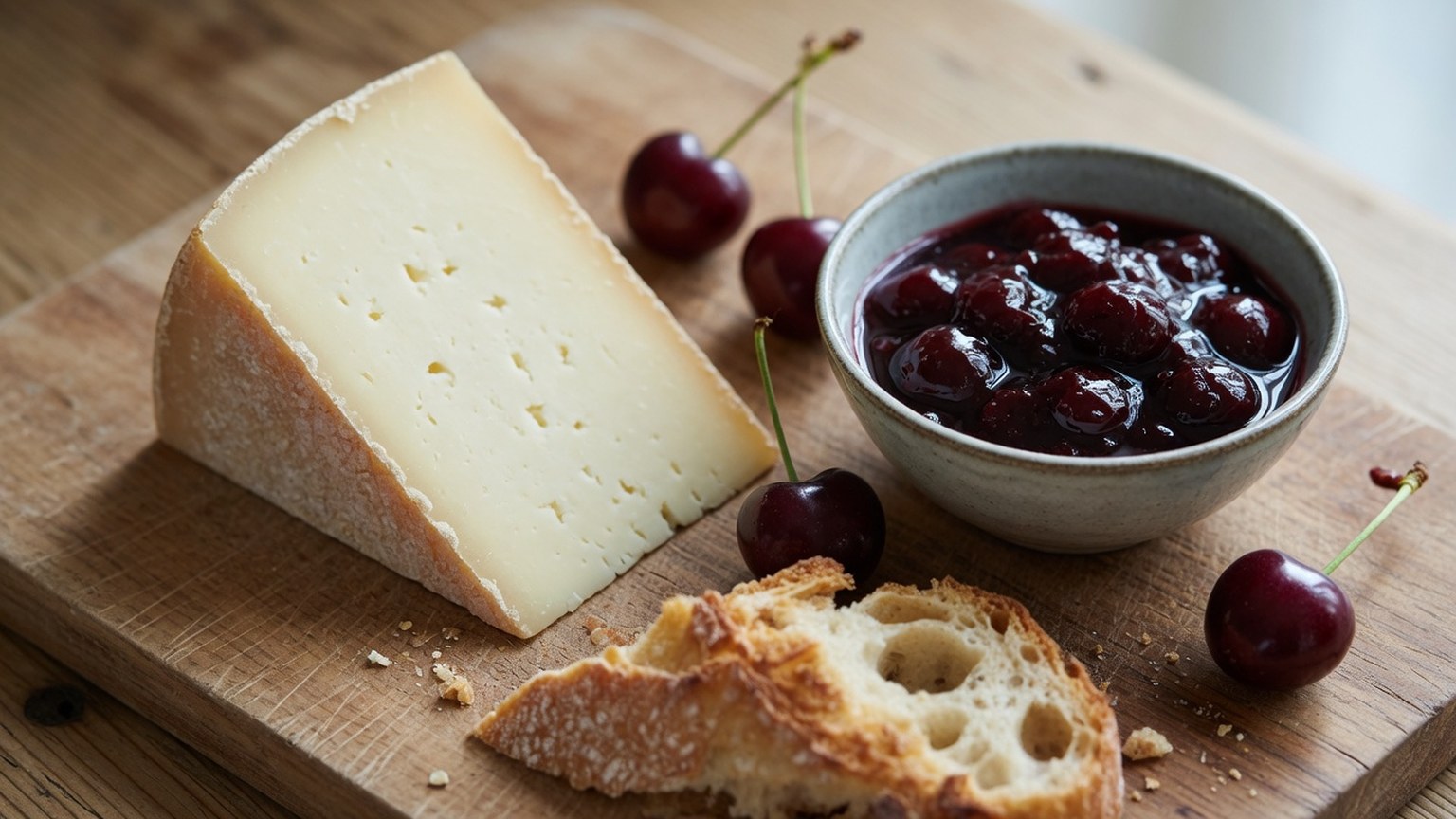
Basque sheep's cheese with cherry jam
The estate names this plate beside the wine. No second recipe stands in for it.
The estate's pairing (opens in a new tab)Add the 2011 at $49.
Add the 2011 at $49. Six bottles are $294. Twelve are $588 and ship free in the lower 48.
James Suckling's 93 is on the bottled wine. The château's sheet still reads as power and a fine elegance. 2011 is an amazing library vintage, the one you open while you wait on 2009 and 2010.
