


Frankland Estate house spotlight
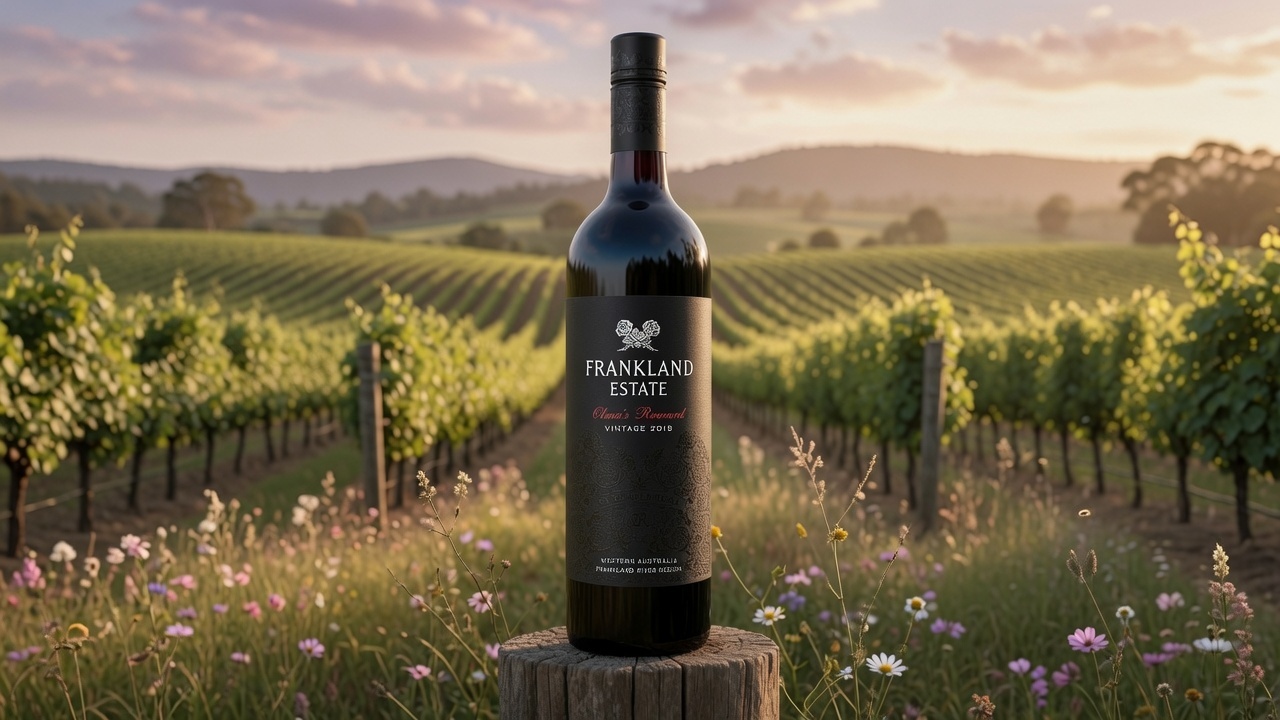
A warm family welcome to Frankland Estate: Hunter, Elizabeth, and the Isolation Ridge landscape that gives Olmo's Reward its red-fruited energy and ironstone character.

The market on this bottle
Wine-Searcher tracks this 2018 Olmo's Reward across the open market. Our $29 sits under their published U.S. low of $40.65.
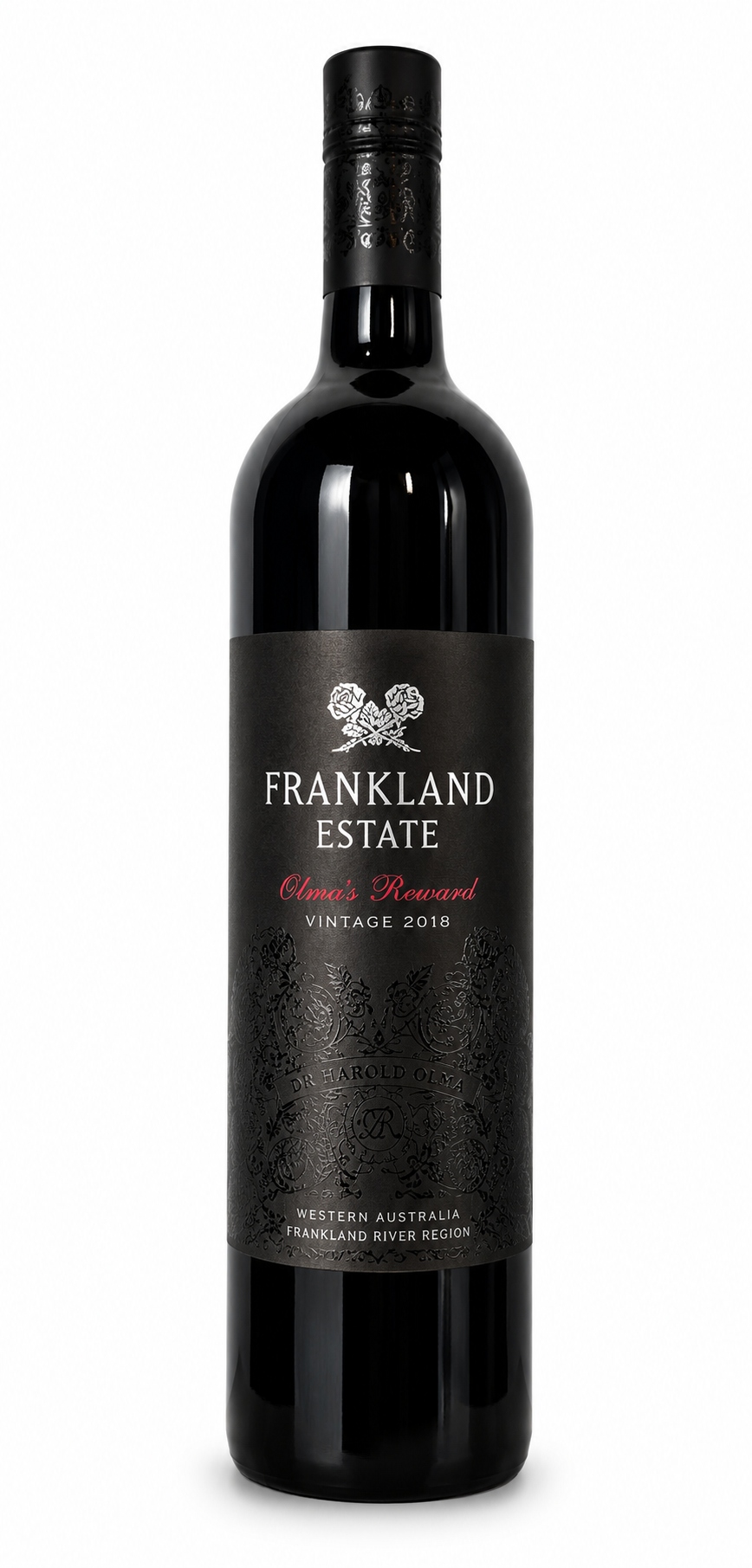
2018 Frankland Estate Olmo's Reward Frankland River, Australia
Brian Kent's Cabernet Franc flagship from Isolation Ridge, Harold Olmo's 1955 hunch in a glass at twenty-nine dollars.
The 2018 Olmo's Reward is a Cabernet Franc-led blend from mature, dry-grown Isolation Ridge vines. Red cherry, mulberry, cassis, graphite, cedar, and fine tannins, now $29.
Cabernet Franc from the vineyard Harold Olmo called
In 1955 UC Davis viticulturist Harold Olmo walked the Upper Frankland River and said its potential matched anywhere in Australia or California for Bordeaux-style reds. The Smith Cullam family named this flagship for him. The 2018 is 57 percent Cabernet Franc from mature, dry-grown Isolation Ridge vines, organic, 15 months in 500-litre French puncheons. Halliday 95. James Suckling 93. This is the proof that Australian Cabernet Franc can be perfume, graphite, and dinner.
The vineyard
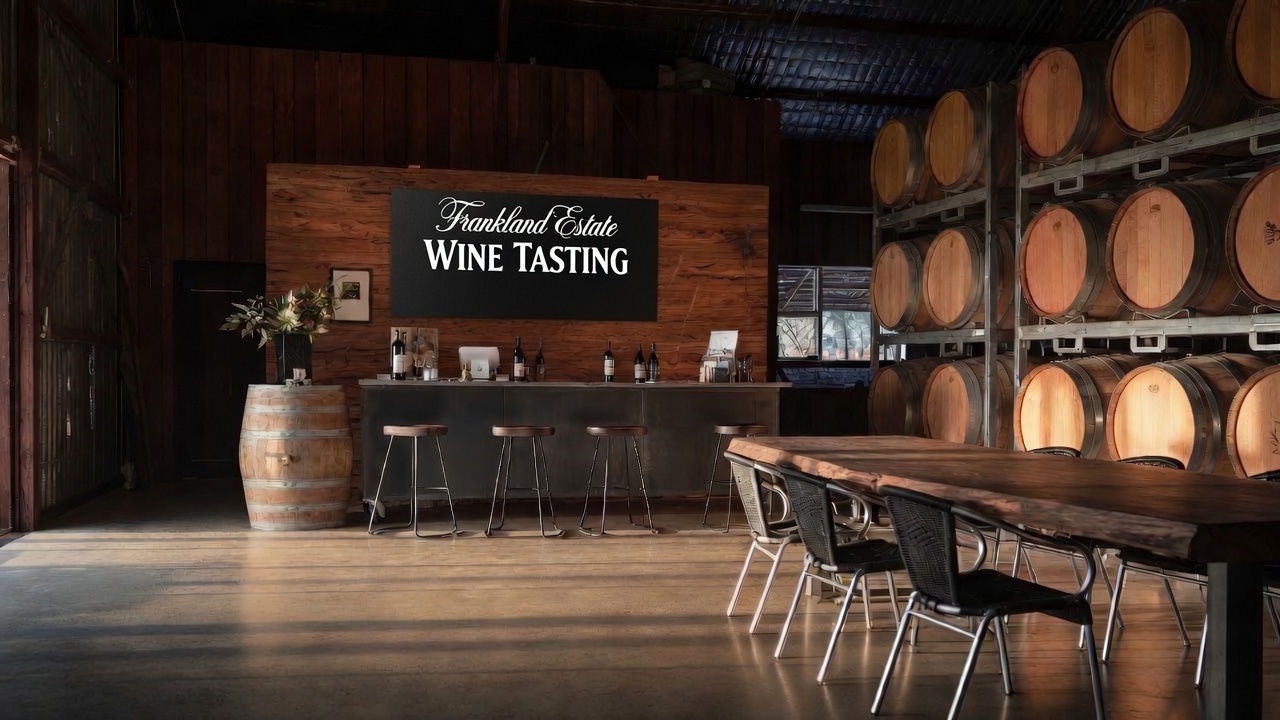
Isolation Ridge, planted 1988, organic, dry-grown mature vines. Ironstone gravel and loam over clay.
The wine
57% Cabernet Franc, 24% Merlot, 19% Malbec. Separate ferments below 27 C, then 15 months in 500-litre French puncheons.
The scores
Halliday Wine Companion 95 (Tony Love). James Suckling 93. A benchmark 2018.
The drinker
Serve 60 to 64 F. Decant 45 to 60 minutes. Duck with cherry-Port or porcini-crusted tenderloin.
Red fruit, graphite, and a mineral line
The wine carries Bordeaux-family structure, but its energy and red-fruited lift make it unmistakably Frankland River.
A benchmark Frankland River red year. Cabernet Franc leads. The wine is already open and still has a decade in front of it.
Red cherry, mulberry, cassis, plum, graphite, cedar, dried herbs, tobacco leaf.
Medium-bodied, fine mineral tannins, 14.5% ABV, 15 months in 500L French oak.
Earthy, long, ferrous. Serve 60 to 64 F. Decant 45 to 60 minutes.
Cabernet Franc perfume, Isolation Ridge tannin
Frankland Estate ferments Cabernet Franc, Merlot, and Malbec separately, slowly, and below 27 C so each component keeps its own shape. Then 15 months in 500-litre French puncheons. Brian Kent wants the perfume of Cabernet Franc and the ironstone of Isolation Ridge in the same glass, not a Bordeaux costume.
Open tanks allowed careful plunging, while extended maceration helped resolve flavor and tannin without pushing extraction. The 2018 blend is 57 percent Cabernet Franc, 24 percent Merlot, 19 percent Malbec.
Fifteen months in 500-litre French oak puncheons add cedar and polish while keeping fruit, herbs, and the mineral line visible. Serve 60 to 64 F. Decant 45 to 60 minutes.
A 1955 prediction, bottled
Olmo's Reward turns Harold Olmo's 1955 viticultural prediction into one of Western Australia's most individual red wines.
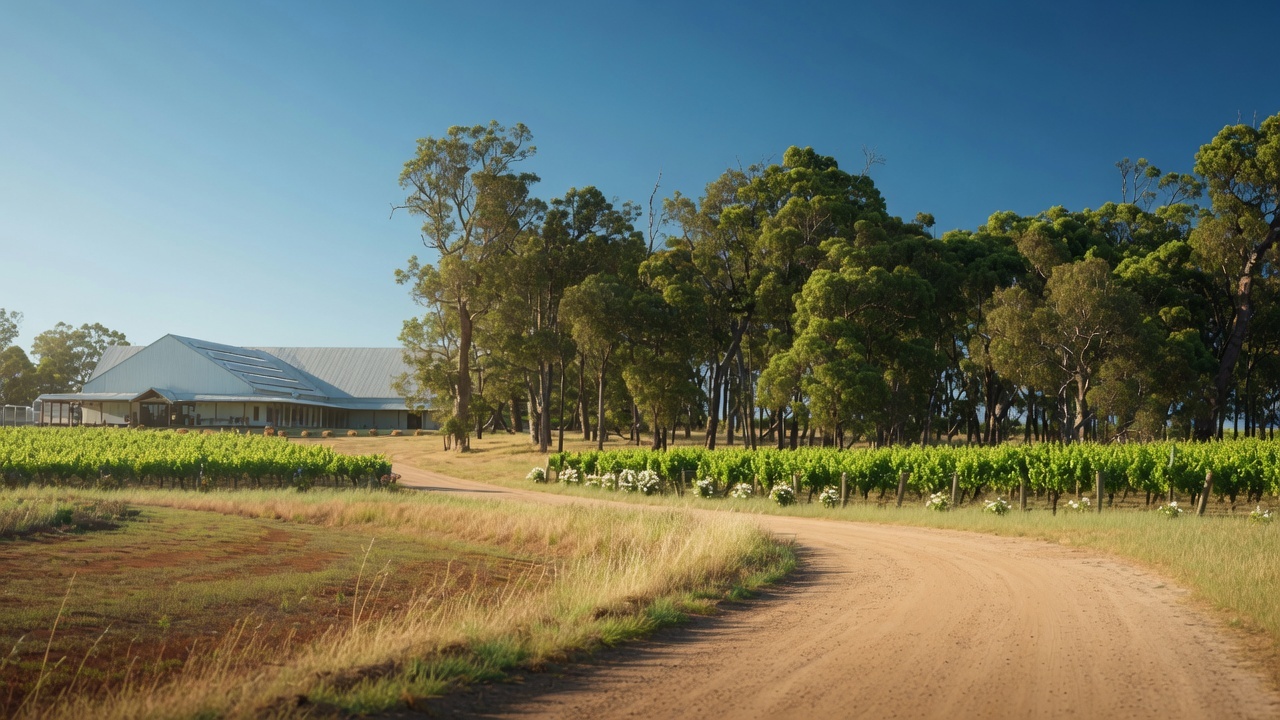
In 1955, UC Davis viticulturist Harold Olmo visited the Upper Frankland River and concluded that its potential matched or exceeded established quality districts in Australia and California. The Smith Cullam family later named this flagship blend in his honor.
Frankland Estate was established in 1988 by Judi Cullam and Barrie Smith. Their children Hunter and Elizabeth Smith, together with Brian Kent, have refined Olmo's Reward through organic viticulture, lower production, gentler extraction, older and larger oak, and increasing confidence in Cabernet Franc.
The result is not an imitation of Bordeaux. It is a medium-bodied expression of Isolation Ridge: red-fruited, ferruginous, vigorous, elegant, and tied to one remote Western Australian place.
Cherry with duck, porcini with beef
Duck amplifies Cabernet Franc's red fruit. Porcini and beef lean into earth, graphite, cedar, and polished tannin.
Two plates. One duck breast with cherry-Port. One porcini-crusted beef tenderloin.
Serve at 60 to 64 F and decant for 45 to 60 minutes. That gives red fruit, graphite, herbs, and oak time to settle into one line.
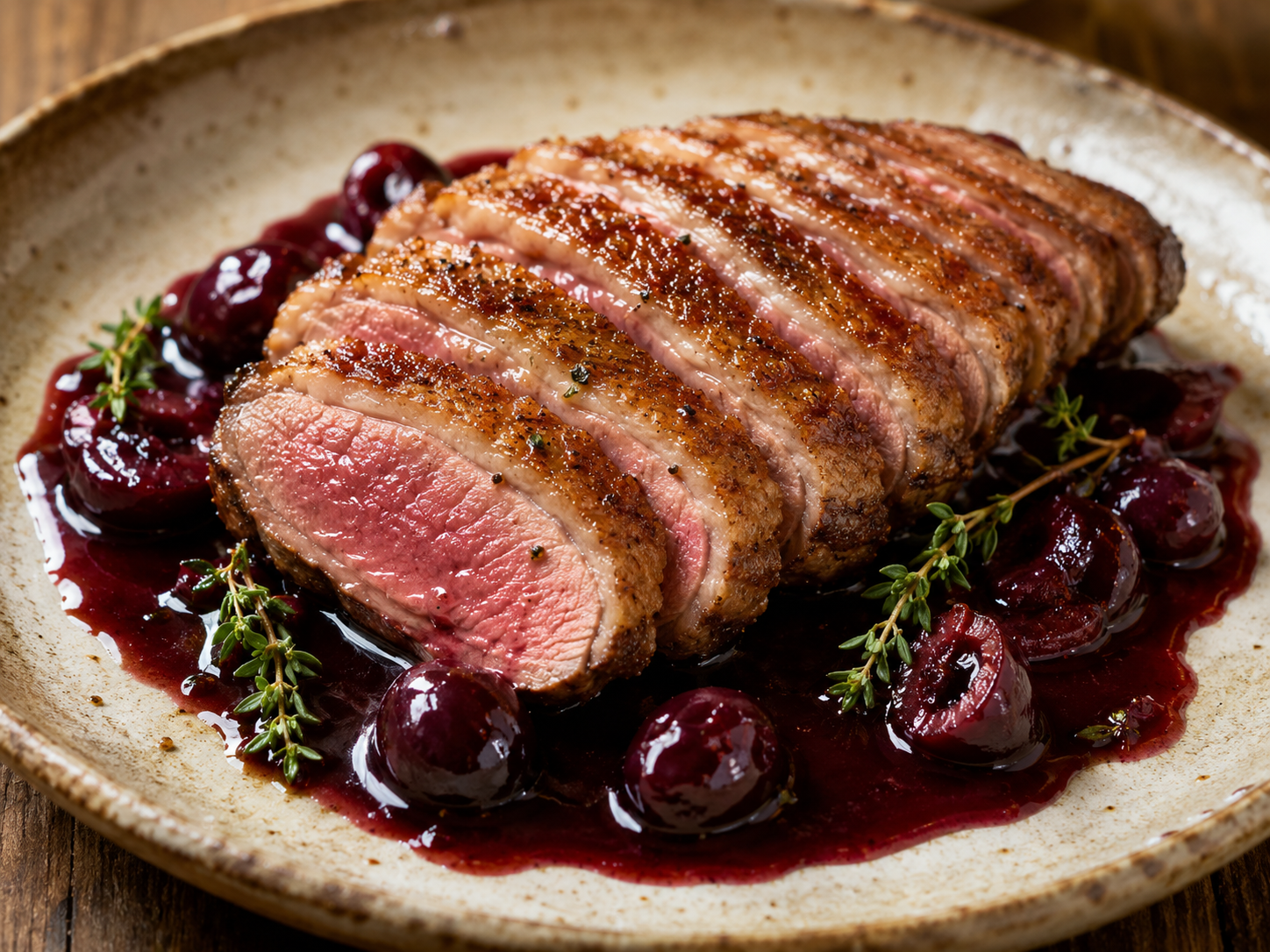
Duck Breast with Cherry-Port Sauce
Crisp-skinned duck and a sweet-tart cherry-Port reduction mirror the wine's red-fruited lift while giving its tannins enough richness.
Why it works: Cherry and Port amplify mulberry, cassis, and plum. Duck fat softens the graphite-driven structure.
View Recipe for Duck Breast with Cherry-Port Sauce (opens in a new tab)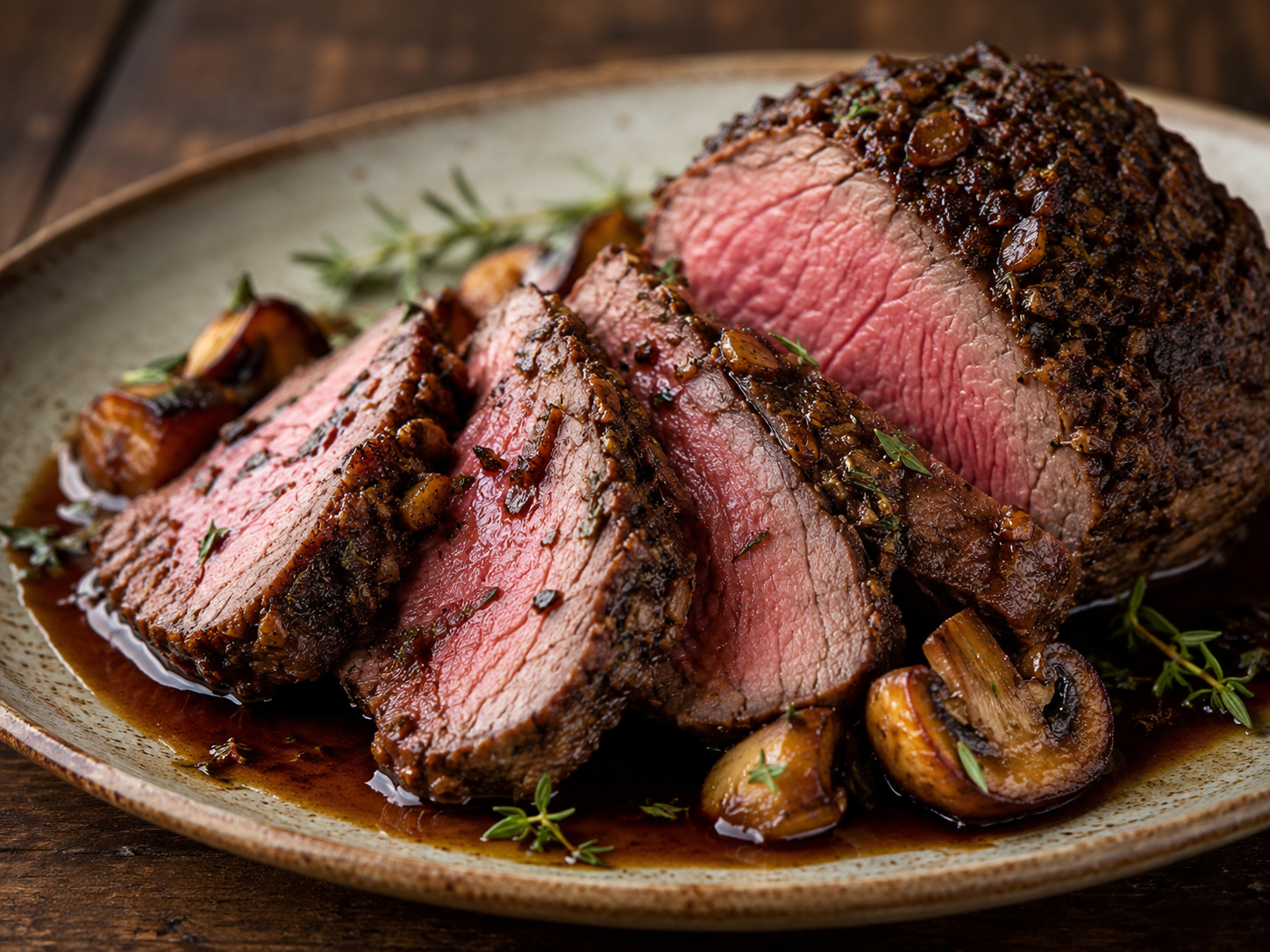
Porcini-Crusted Beef Tenderloin
Porcini creates a deep woodland crust around tender beef, matching earth, cedar, tobacco leaf, and a savory mineral finish.
Why it works: The tenderloin respects the wine's elegance, while porcini draws out cigar-box and ironstone complexity.
View Recipe for Porcini-Crusted Beef Tenderloin (opens in a new tab)Open Olmo's Reward tonight
Harold Olmo's hunch, Cabernet Franc from Isolation Ridge, Halliday 95. Twenty-nine dollars.
Put it in the cart. This is the Frankland Estate flagship priced for opening, not for waiting on a mailing list.
