Stony Hill Vineyard estate spotlight
Wine Spectator's James Molesworth is on camera at Stony Hill with winemaker Jaimee Motley, walking the original 2004 Cabernet block on this Spring Mountain estate, the same Cabernet program as this 2018.


2018 Stony Hill Vineyard Cabernet Sauvignon, Napa Valley
Mike Chelini's Spring Mountain Cabernet, old-school Napa restraint and mountain tannin, a 2018 you can open at one hundred twenty dollars.
The 2018 Stony Hill Cabernet is 100 percent Cabernet Sauvignon from Spring Mountain: violet, sandalwood, Bing cherry, and huckleberry with crunchy mountain tannin after 18 months in French oak, now $120.
Spring Mountain Cabernet that still drinks like older Napa
Stony Hill is the Spring Mountain house people learned as Chardonnay. The 2018 Cabernet is the other argument: 100 percent Cabernet from steep volcanic and sedimentary slopes, a small share of new oak, alcohol labeled at 13.8 percent. Wine Advocate called it a classic, drink 2027 to 2045. Vinous found crushed red berry, spice, leather, and orange peel on a gracious mid-weight frame. Three hundred thirty-six cases. Eight years in bottle have already done part of the waiting.
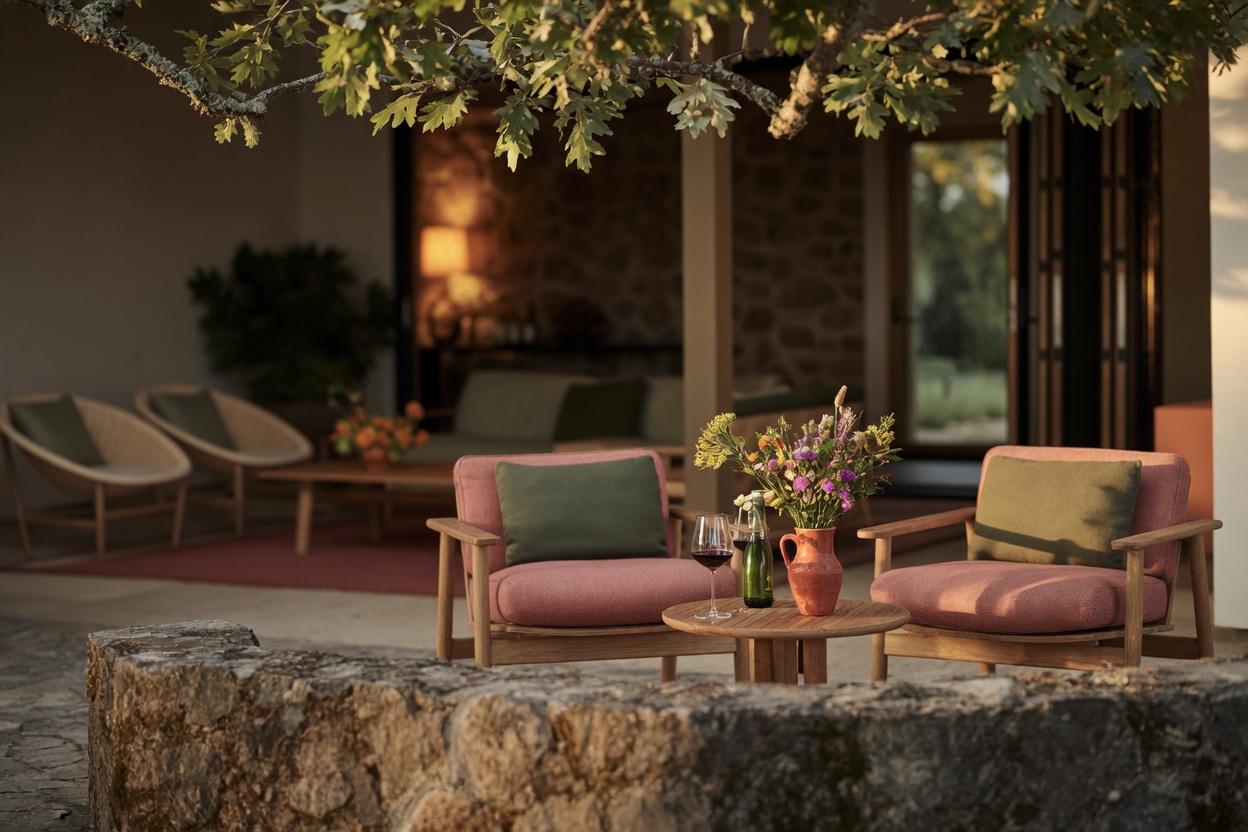
The house
Fred and Eleanor McCrea planted Stony Hill on Spring Mountain in 1948. Cabernet came later on steep north- and east-facing slopes between about 400 and 1,500 feet.
The wine
100% Cabernet Sauvignon. Eighteen months in French oak with a relatively small share of new wood. 14.1% ABV on the winery sheet, 13.8% on the label Wine Advocate cited. Mike Chelini.
The scores
Wine Advocate 94+, drink 2027 to 2045. Vinous 94. Wine Spectator 93, 336 cases.
The drinker
Violet and cherry first. Decant 30 to 45 minutes. Serve 60 to 64 F. Garlic-butter steak bites or a T-bone.
Violet and cherry, then leather and mountain tannin
The winery found violet, sandalwood, Bing cherry, and huckleberry, with crunchy mountain and oak tannin and a fresh-cut leather finish. Wine Advocate added cassis, graphite, cherries, and sage on a firmly structured, medium-bodied frame. Wine Spectator found sweet bay leaf and sassafras over mulled red currant, raspberry, and iron.
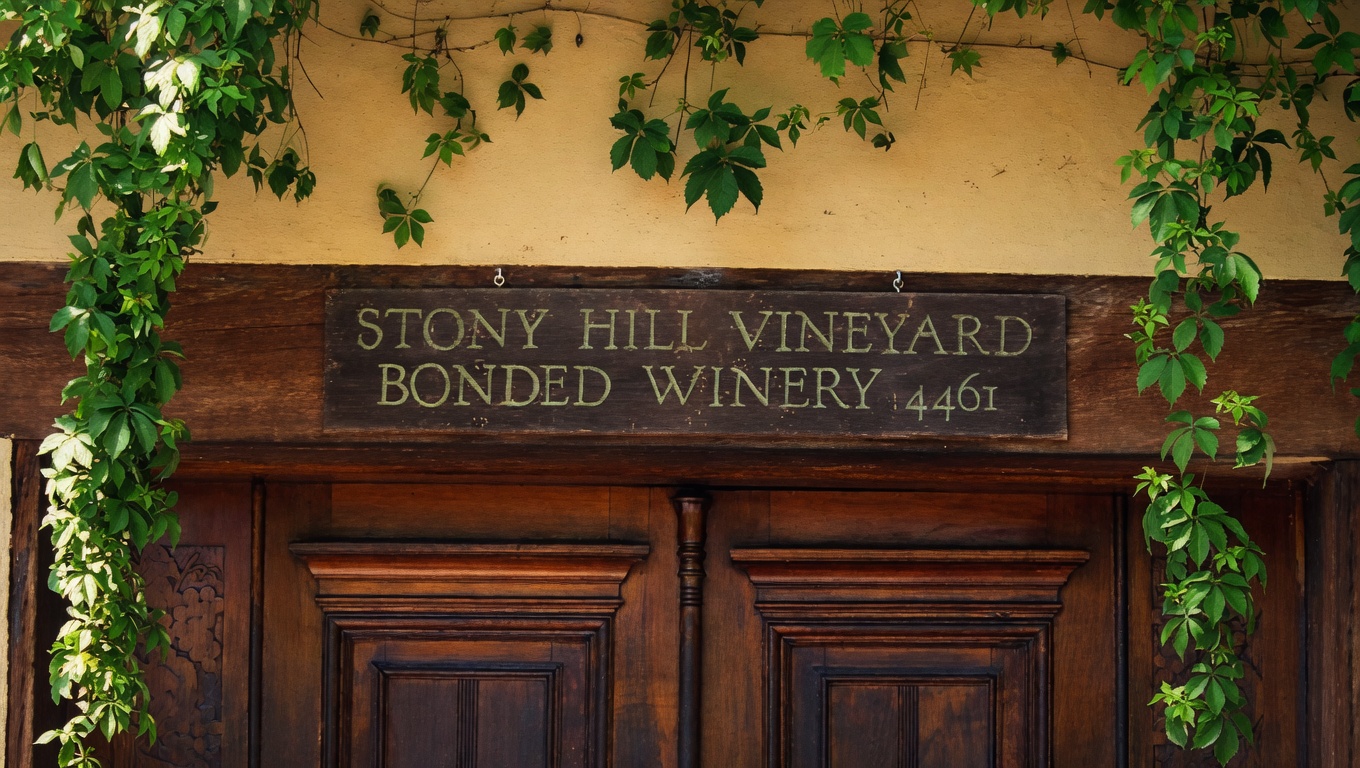
A classic Napa Cabernet year that favored line over volume. Stony Hill kept new oak in check so the 2018 still reads as perfume and mountain tannin rather than toast.
Violet, sandalwood, Bing cherry, huckleberry, cassis, sage, bay leaf, orange peel.
Mid-weight to full, mountain tannin, 18 months mostly neutral French oak, restrained alcohol.
Leather, iron, a long savory close. Decant 30 to 45 minutes. Serve 60 to 64 F.
One grape, mountain slopes, and a light oak hand
The 2018 is 100 percent Cabernet Sauvignon from Stony Hill's Spring Mountain slopes. Fruit is aged about 18 months in French oak with a relatively small proportion of new wood, which is why the wine still smells like violet and sage instead of barrel toast. Wine Advocate noted the labeled 13.8 percent alcohol as part of a style that hearkens to Napa Cabernets from 40 years ago without the rusticity.
Steep north- and east-facing plantings on volcanic and sedimentary soils give the mineral spine and crunchy tannin people taste as mountain Cabernet.
Serve 60 to 64 F. Thirty to 45 minutes of air lets the leather and orange peel come up. This is not a wine that needs a two-hour rescue.
A Spring Mountain house that learned Chardonnay first
Stony Hill began as a McCrea family white-wine estate. The Cabernet is the later, quieter chapter from the same mountain.
Fred and Eleanor McCrea planted Chardonnay, Riesling, and other whites on Spring Mountain beginning in 1948, dry-farmed, with a northeast exposure between roughly 800 and 1,550 feet.
Cabernet Sauvignon arrived in the 21st century on those same steep slopes. The original Cabernet block dates to 2004, the planting Wine Spectator later walked with the estate team.
The 2018 is that mountain Cabernet after eight years in bottle: floral, savory, built to keep improving into the 2040s.
Garlic butter, a hard crust, and mountain tannin
This Cabernet wants browned beef and garlic more than a sweet glaze. Steak bites or a T-bone pull cherry, sage, and leather forward.
Two plates. One skillet of garlic-butter steak bites. One grilled T-bone. Both can take Spring Mountain tannin.
Decant 30 to 45 minutes. Serve 60 to 64 F. Air is for violet and leather, not a rescue.
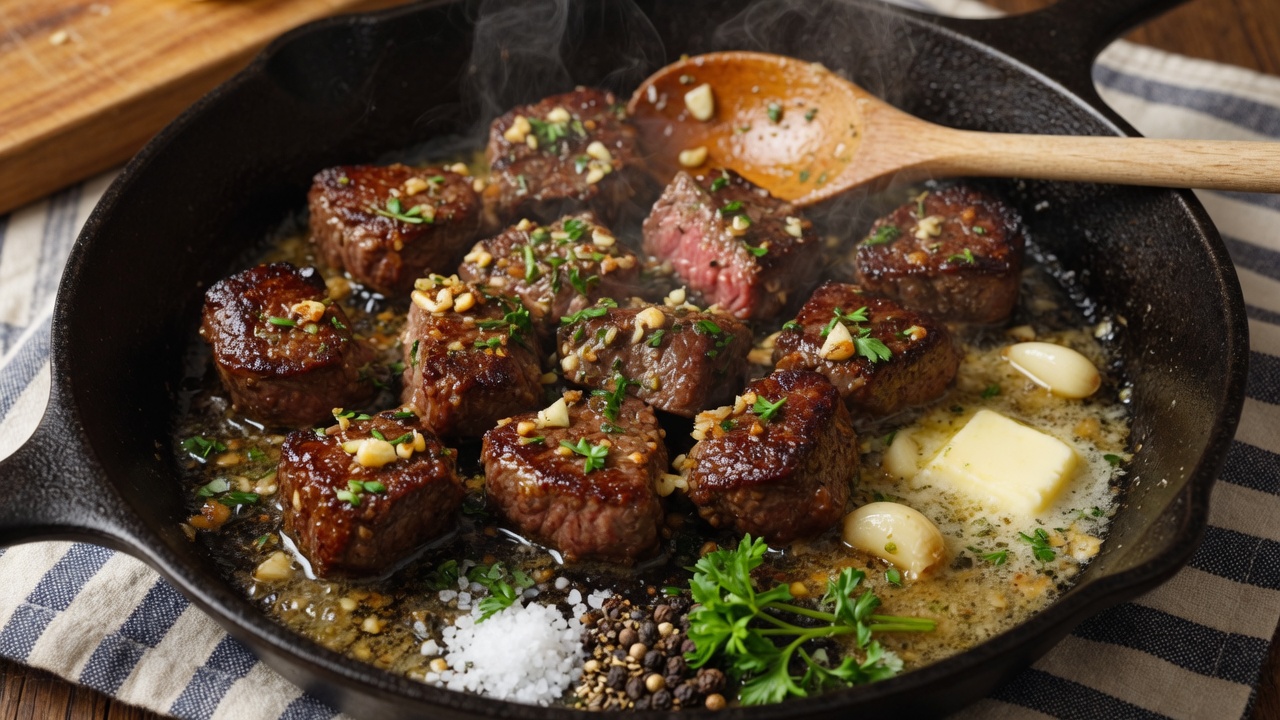
Garlic Butter Steak Bites
A hot pan, garlic, butter, and browned beef. Stony Hill's weeknight landing.
Why it works: Garlic and fat soften mountain tannin while char pulls cherry, sage, and sandalwood through the glass.
View Recipe for garlic butter steak bites (opens in a new tab)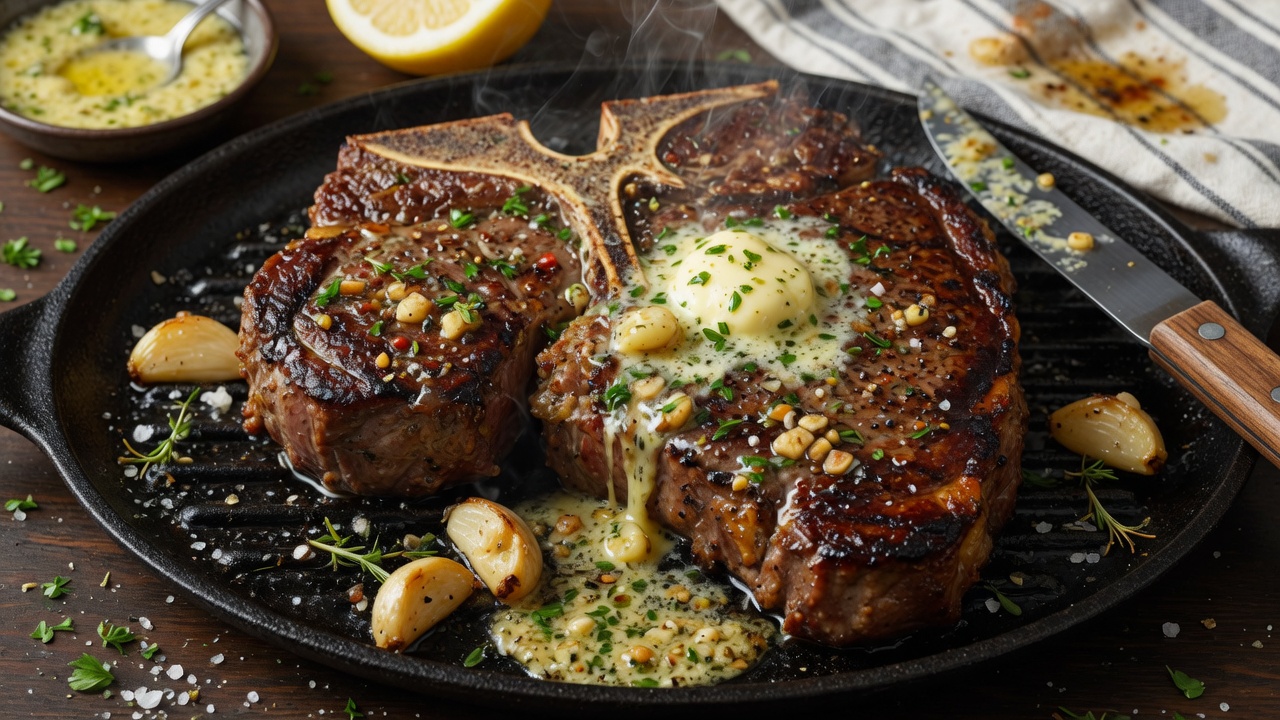
Grilled T-Bone Steak
A T-bone, coarse salt, and a hard grill crust when the 2018 is the table wine.
Why it works: Bone-in beef matches the wine's savory frame. The crust echoes bay leaf and leather.
View Recipe for grilled T-bone steak (opens in a new tab)Put this Spring Mountain Cabernet in the cart
Wine Advocate 94+. Vinous 94. Three hundred thirty-six cases. One hundred twenty dollars against a $300 typical retail.
Put it in the cart. This is the Stony Hill bottle for a table that wants mountain Cabernet with perfume, not a power slogan.