

Otronia house spotlight
Bodega Otronia, a film of the Sarmiento estate on Lake Musters by ZOICER Photo and Film. Juan Pablo Murgia's Chardonnay from plots III and VI is grown in this wind, frost, and southern light.

The market on this bottle
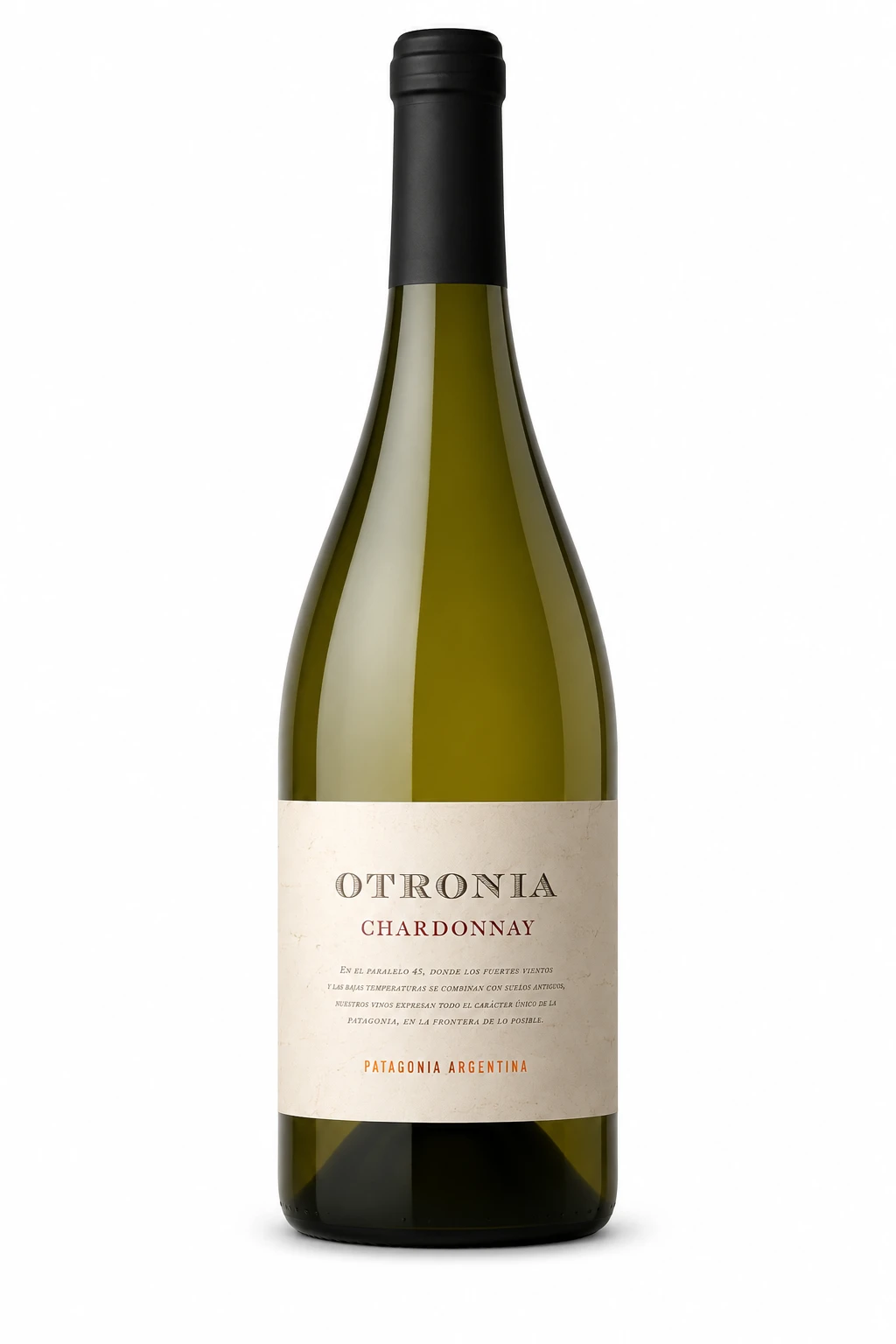
Wine-Searcher tracks this 2019 Otronia III & VI Chardonnay Chubut, Argentina across the open market. Their published U.S. low is $57.60 and the average is $254.51. Our slash is $59.00.
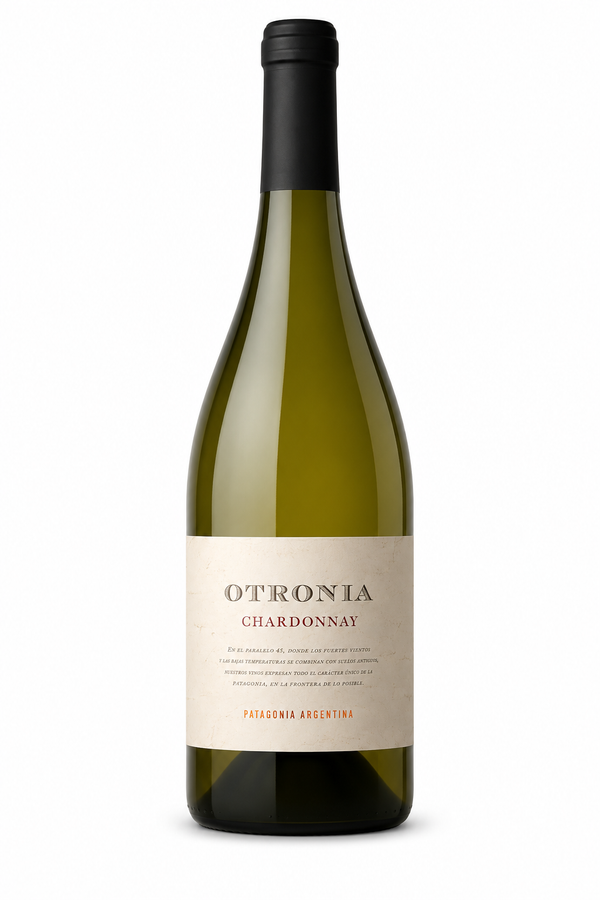
2019 Otronia III & VI Chardonnay Chubut, Argentina
Juan Pablo Murgia's Chardonnay from the 45th parallel, plots III and VI, Descorchados 96 at fifty-nine dollars.
From Paico Vineyard plots III and VI at 45 degrees 33 minutes south, this organically grown 100 percent Chardonnay is lemon zest, green pineapple, flint, and a saline close, now $59.
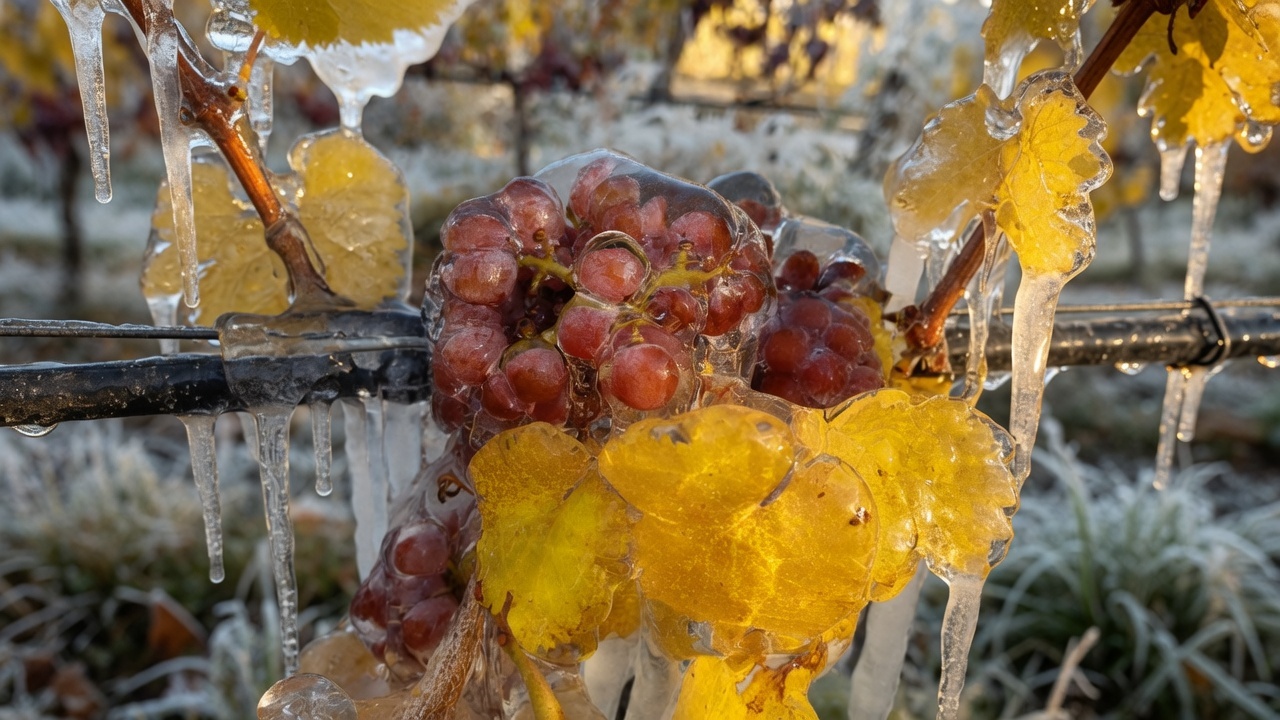
Chardonnay grown where frost and wind are the method
Otronia planted vines beside Lake Musters where frost, permanent wind, and severe cold make farming difficult. Juan Pablo Murgia presses plots III and VI directly, skips malolactic, and ages the 2019 in large French foudres. Descorchados 96. James Suckling, Revista Adega, and Tim Atkin each 95. Electric acidity, creamy texture, a place that feels genuinely different.
The site
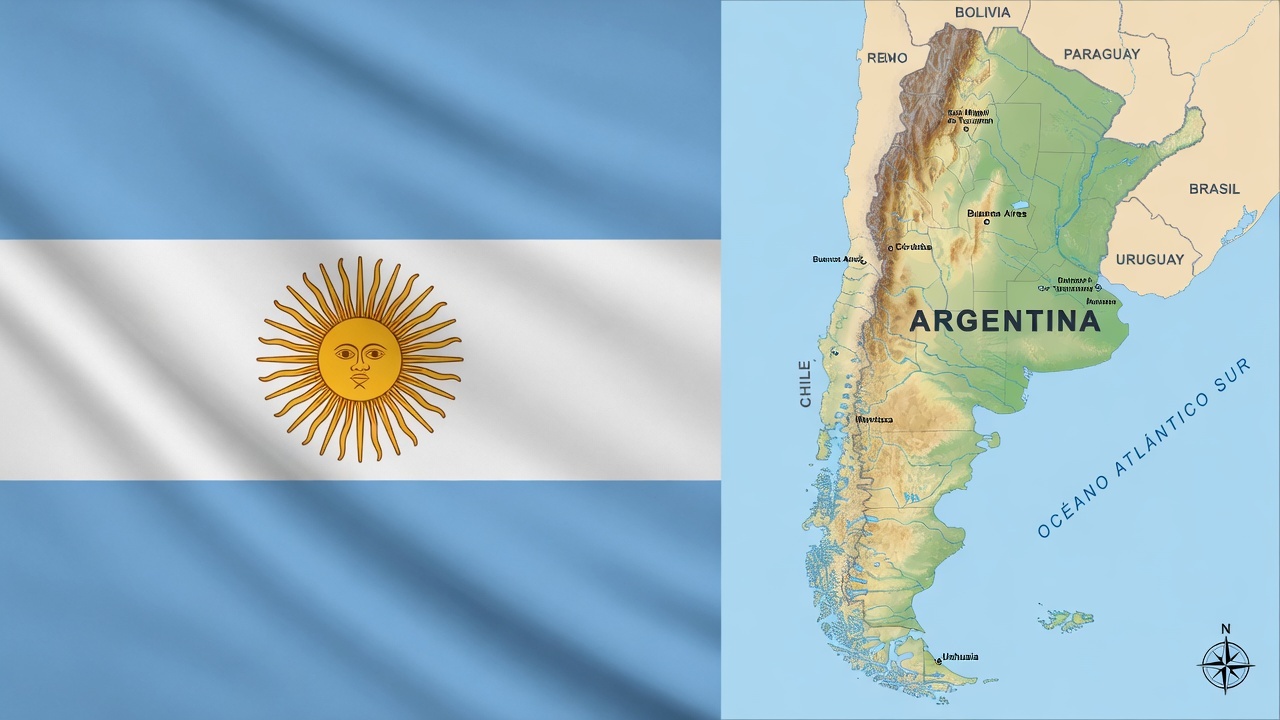
Sarmiento, Chubut, among the world's southernmost vineyards. Winds can exceed 100 km/h. Trees and fabrics shelter the vines.
The wine
100% Chardonnay from plots III and VI. Direct press, no malolactic, 18 to 20 months in French foudres. 13.3% ABV.
The scores
Descorchados 96. James Suckling, Revista Adega, and Tim Atkin each 95 on the exact 2019.
The drinker
Serve 48 to 52 F. No long decant. Black bass with preserved lemon, or roast chicken with thyme.
Citrus, flint, and a saline close
This is Chardonnay built around energy rather than sweetness: vivid citrus, a firm creamy center, and a flinty finish that keeps drawing another sip.
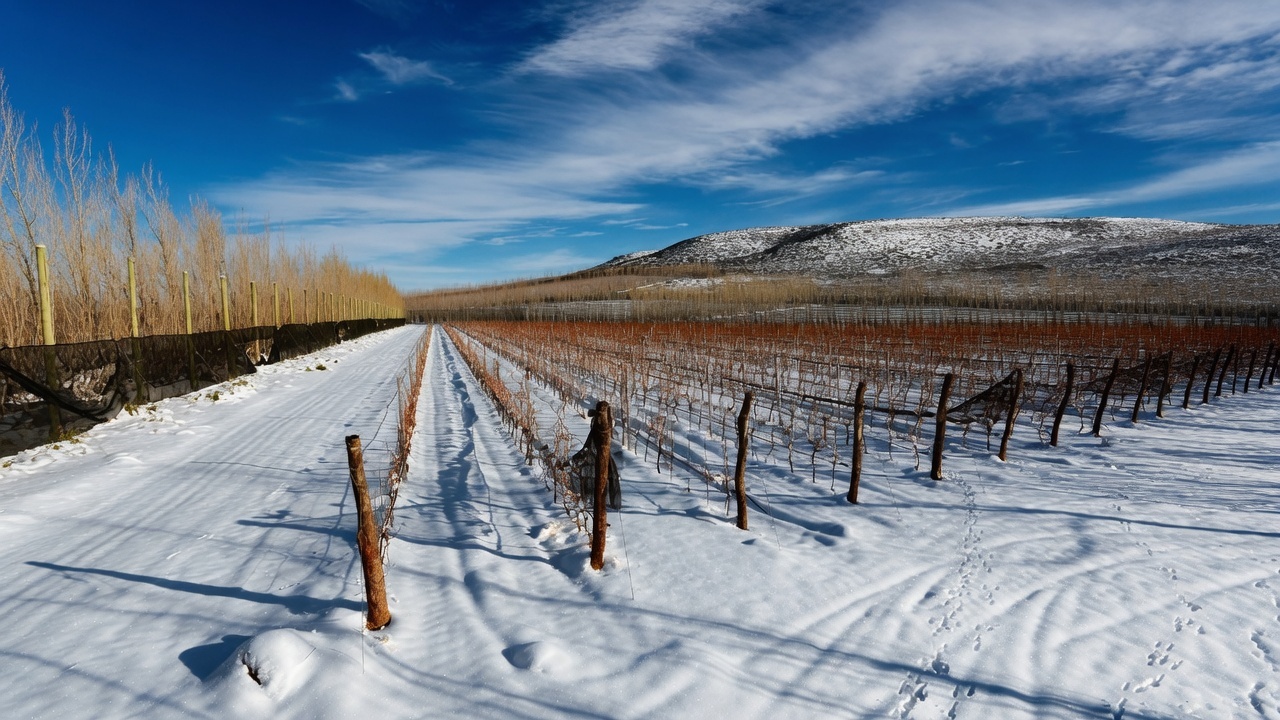
Descorchados described the 2019 as a brilliant vintage radiant with freshness. Otronia's own terroir account explains that the region's cold climate preserves acidity and a distinctive aromatic profile while wind and dryness support organic farming.
Lemon zest, green pineapple, white fruit, fresh herbs, flinty stone.
Tense acidity, creamy foudre texture, no malolactic, 13.3% ABV.
Saline, mouthwatering, long. Serve 48 to 52 F. No decant.
Foudre texture, no malolactic
Juan Pablo Murgia harvests Chardonnay from Paico plots III and VI separately, then presses directly to keep clarity. The 2019 completed no malolactic fermentation. Otronia's exact-vintage technical sheet lists 18 to 20 months in French oak foudres. Large vessels build breadth without burying the wine in sweet oak. The cellar protects the vineyard's natural tension.
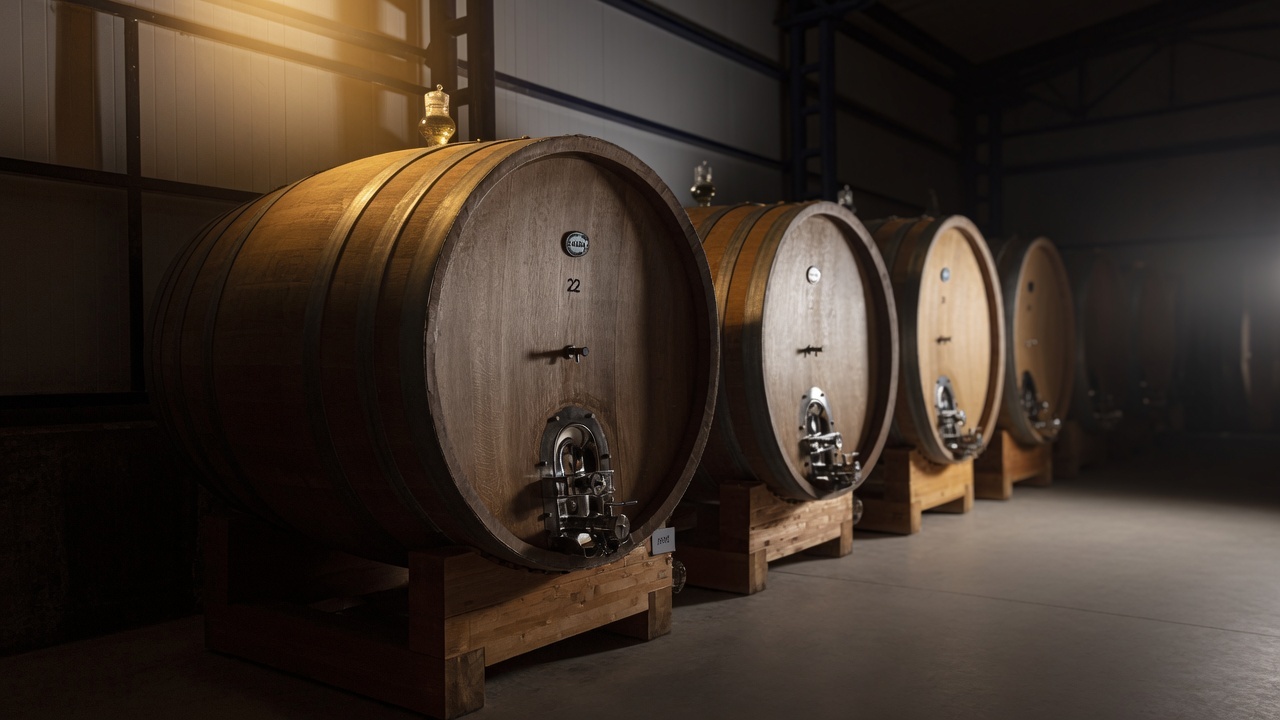
Burgundy clonal selections planted in 2010 sit on sand over a lake-bottom clay subsoil. Permanent wind and high luminosity shape the fruit before it ever sees oak.
Serve 48 to 52 F in a generous glass and let it warm slightly as dinner begins.
Too cold, too far south, too windy
Otronia takes its name from Otron, the Tehuelche name associated with Lake Musters.
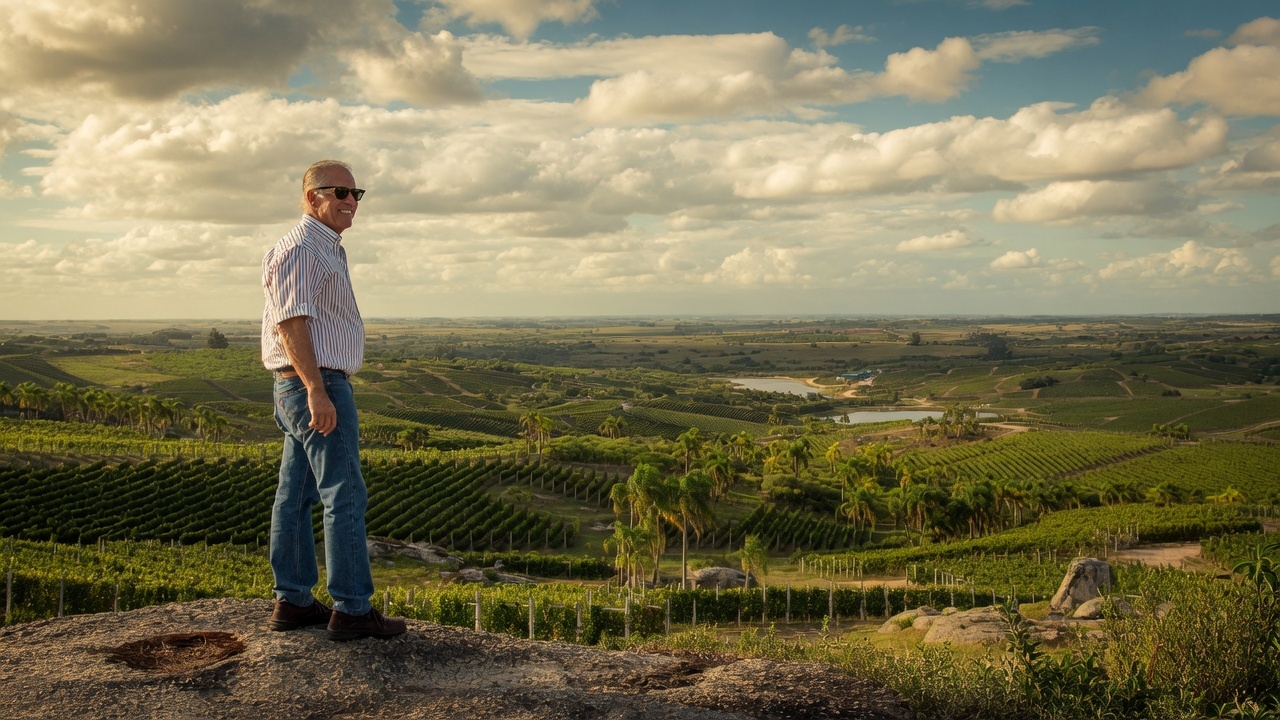
Alejandro Bulgheroni developed family land near Sarmiento into an estate that now sits among the world's southernmost vineyards. Planting began in 2010. The winery was built in 2016. First harvest followed in 2017.
Alberto Antonini advised. Juan Pablo Murgia makes the wines. Frost is expected rather than exceptional. Protective fabrics and tree belts are part of the farming.
Plots III and VI are the flagship Chardonnay blocks: Burgundy clones, organic fruit, and a southern latitude that keeps acidity honest.
Seafood and herb-roasted poultry
The winery points this Chardonnay toward seafood and herb-roasted poultry. Citrus, saline minerality, and foudre texture do distinct work on both plates.
Two plates. One black bass with preserved lemon and pistachio. One roast chicken with lemon and thyme.
Serve at 48 to 52 F. No decant. Give the wine a generous glass and let it warm slightly as dinner begins.
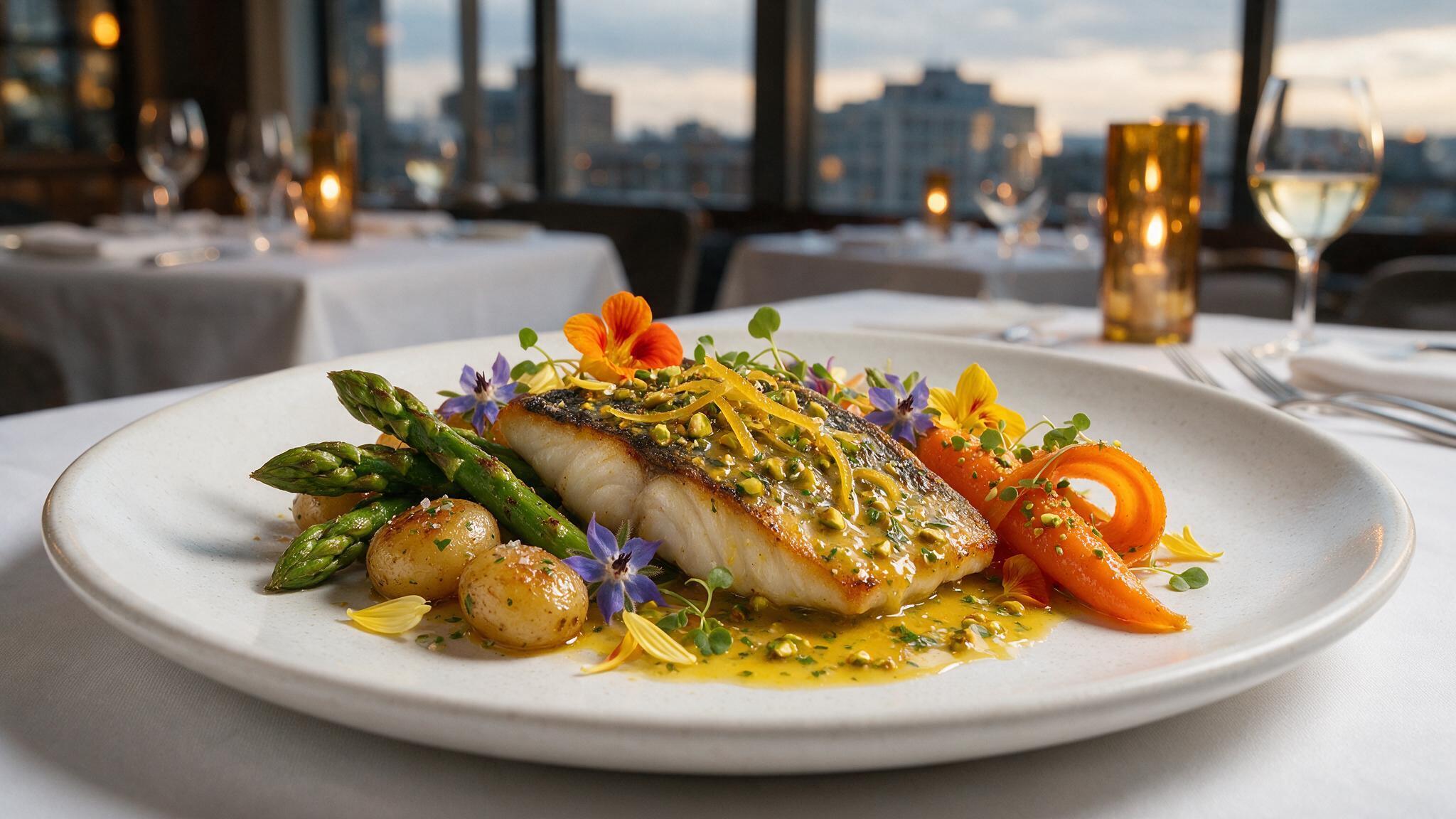
Black Bass with Preserved Lemon and Pistachio
Crisp-skinned bass, preserved lemon, and pistachios keep the plate saline and bright.
Why it works: Preserved lemon mirrors the Chardonnay's citrus drive. The fish's saline character extends its flinty mineral edge.
View Recipe for Black Bass with Preserved Lemon and Pistachio (opens in a new tab)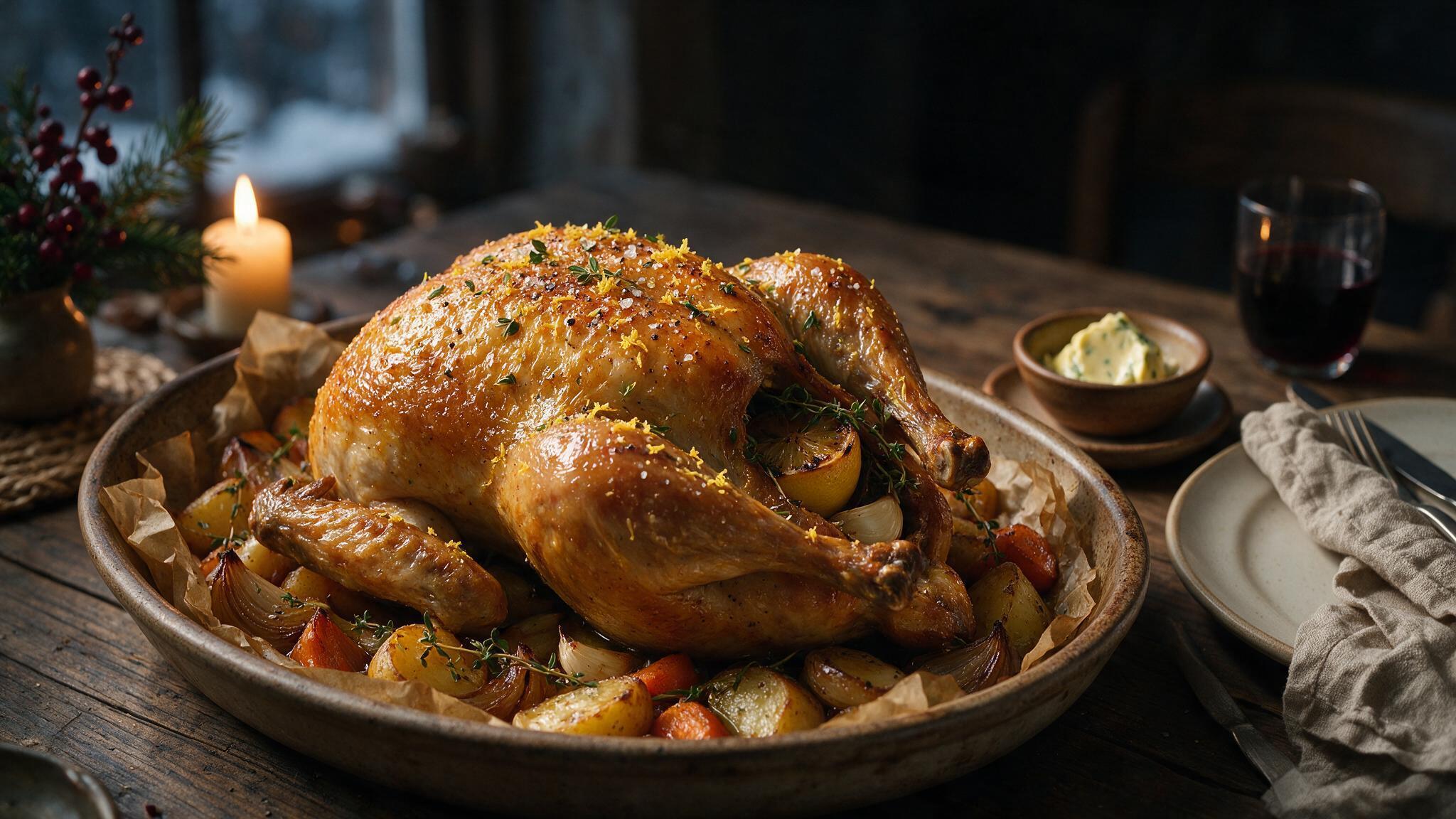
Roast Chicken with Lemon and Thyme
Herb-roasted chicken gives the wine enough richness while lemon and thyme stay in the same key.
Why it works: Lemon and thyme echo citrus and herbal notes. High natural acidity refreshes after each rich bite.
View Recipe for Roast Chicken with Lemon and Thyme (opens in a new tab)Open Otronia tonight
Juan Pablo Murgia's plots III and VI, Descorchados 96, lemon and flint from the far south. Fifty-nine dollars.
Put it in the cart. This is extreme-climate Chardonnay you can pour now.

