Bally Keal Estate house spotlight
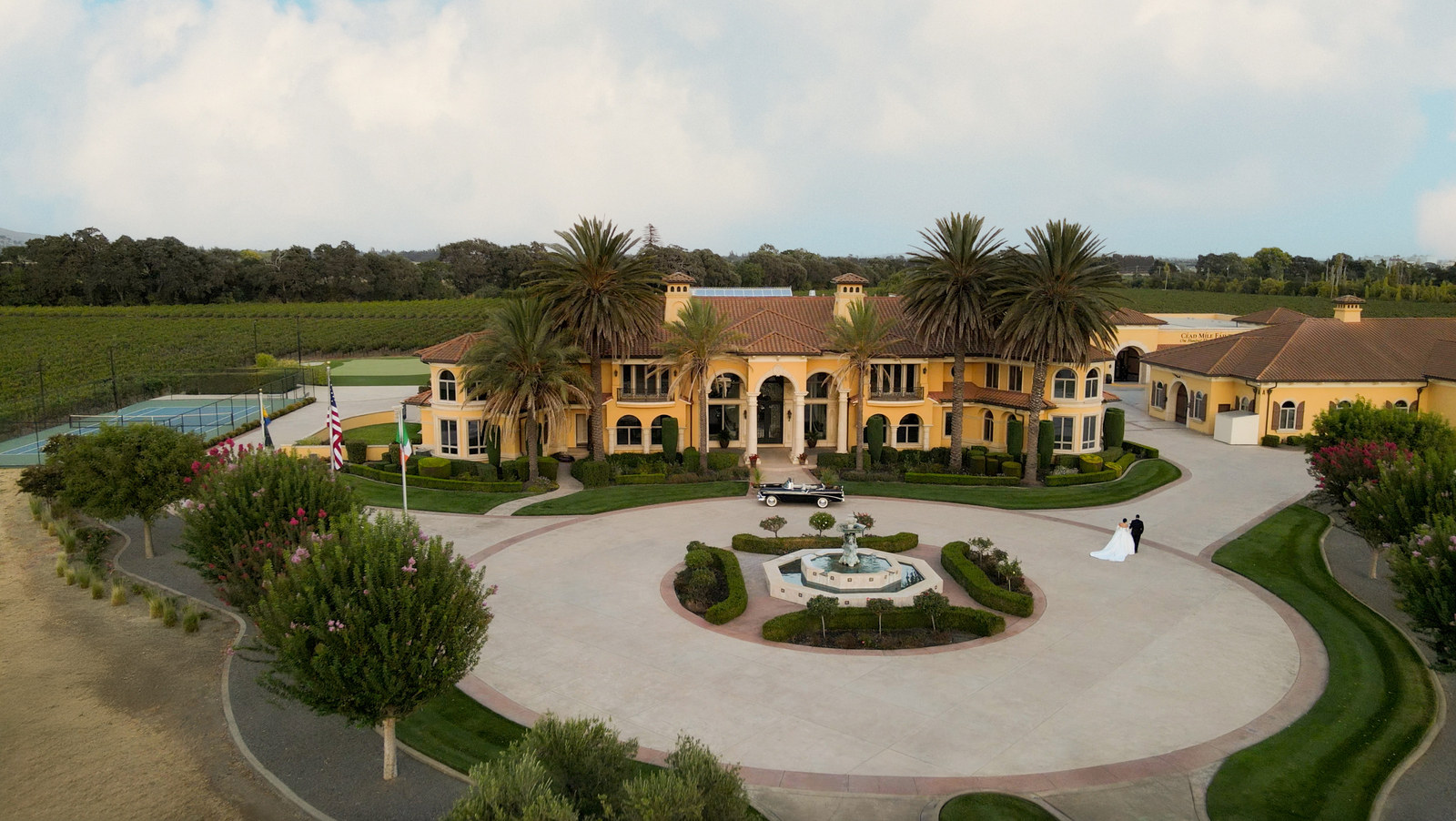
Good Day Sacramento's Molly Riehl tours the Bally Keal winery with founder Joe Cassidy on camera, walking the Suisun Valley estate behind this Cabernet.

The market on this bottle
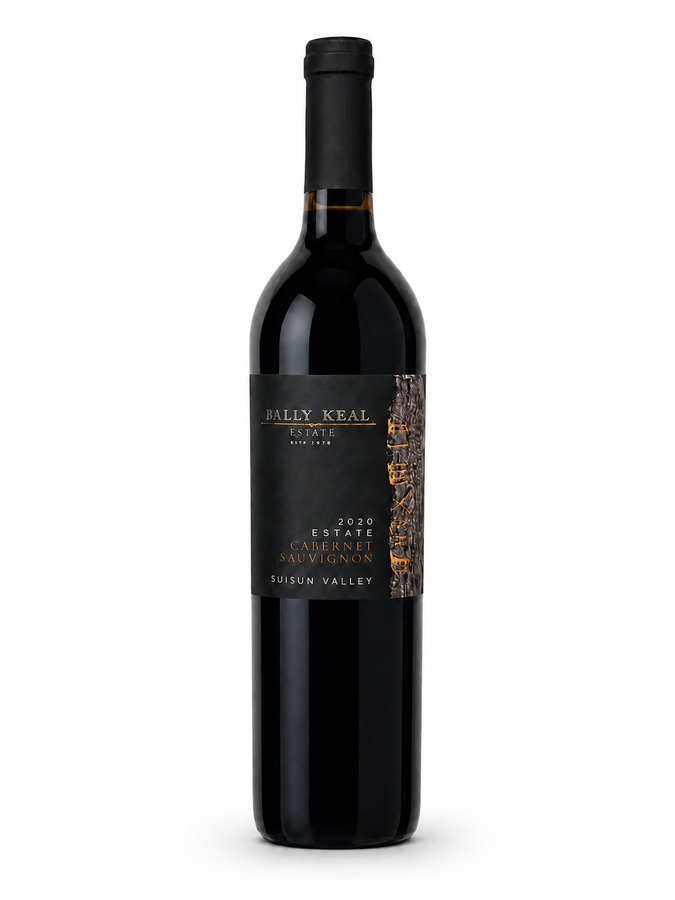
Wine-Searcher tracks this 2020 Bally Keal Cabernet, Suisun Valley across the open market. Their published U.S. low is $30.37 and the average is $30.37. Our slash is $30.00.
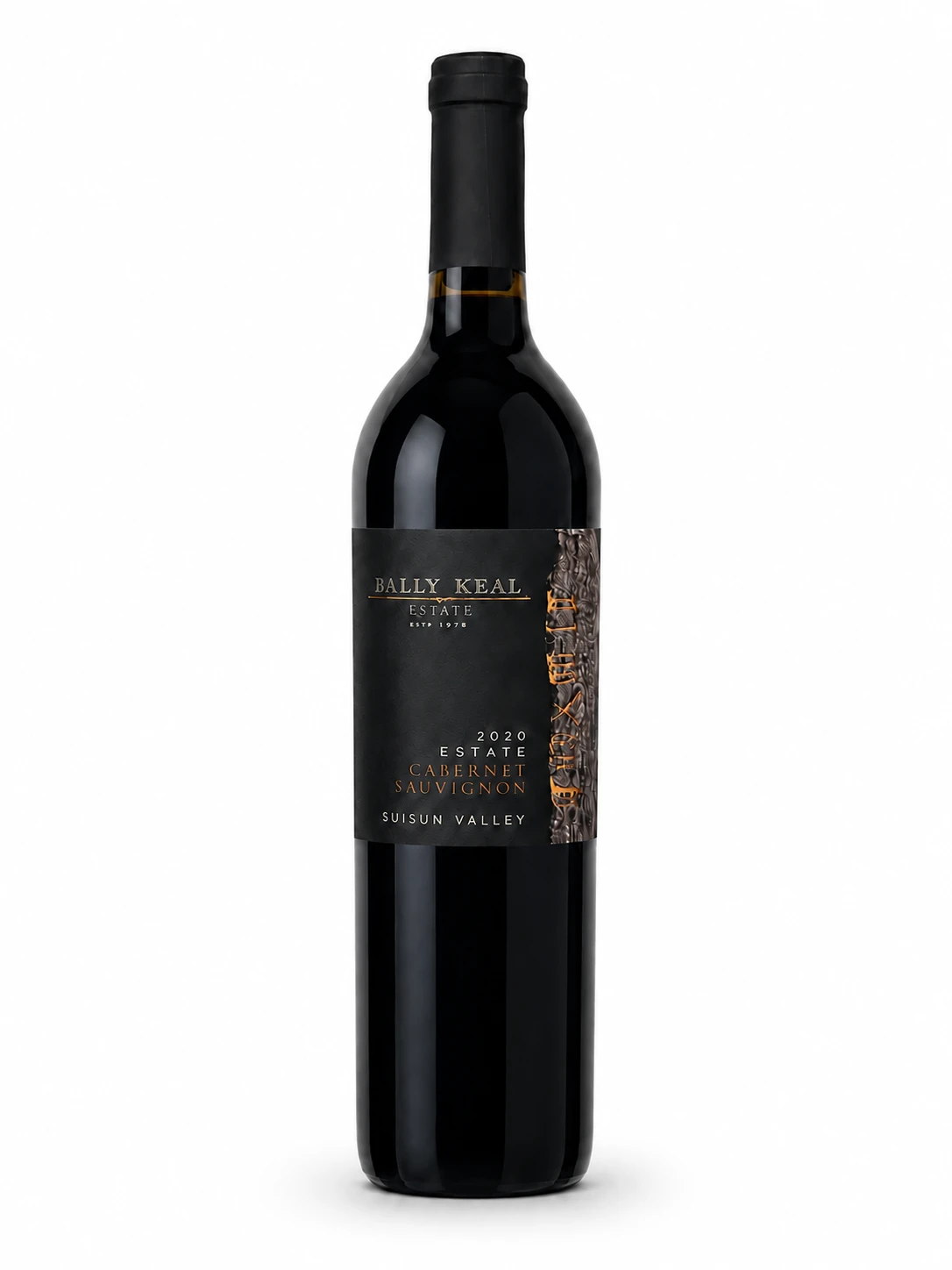
2020 Bally Keal Cabernet, Suisun Valley
Joe Cassidy's Suisun Valley house, Blocks B and C planted to Clone 337, a 2020 Cabernet you can open at thirty dollars.
Estate Cabernet from Blocks B and C: cassis, boysenberry, red raspberry, and black cherry after 18 months with 30 percent French oak, now $30. Joe built the house. Adrian Guerrero took the helm in 2024, after this vintage was already in bottle.
An Irish house. A block, a clone, and a 2020 you can open.
Two reasons to put this Cabernet on the table. Then the market sits in the WineSearcher corner above.
Joe Cassidy brought County Clare hospitality to Suisun Valley.
Joe arrived from County Clare in 1976. Bally Keal is an 80-acre estate with a winery, brewery, distillery, and gathering rooms on one property. The greeting is Cead Mile Failte, one hundred thousand welcomes. He is the founder. He is not the winemaker of this 2020. Adrian Guerrero joined as winemaker and brewer in 2024, after this vintage was already in bottle.
Blocks B and C. Forty-four acres of Clone 337.
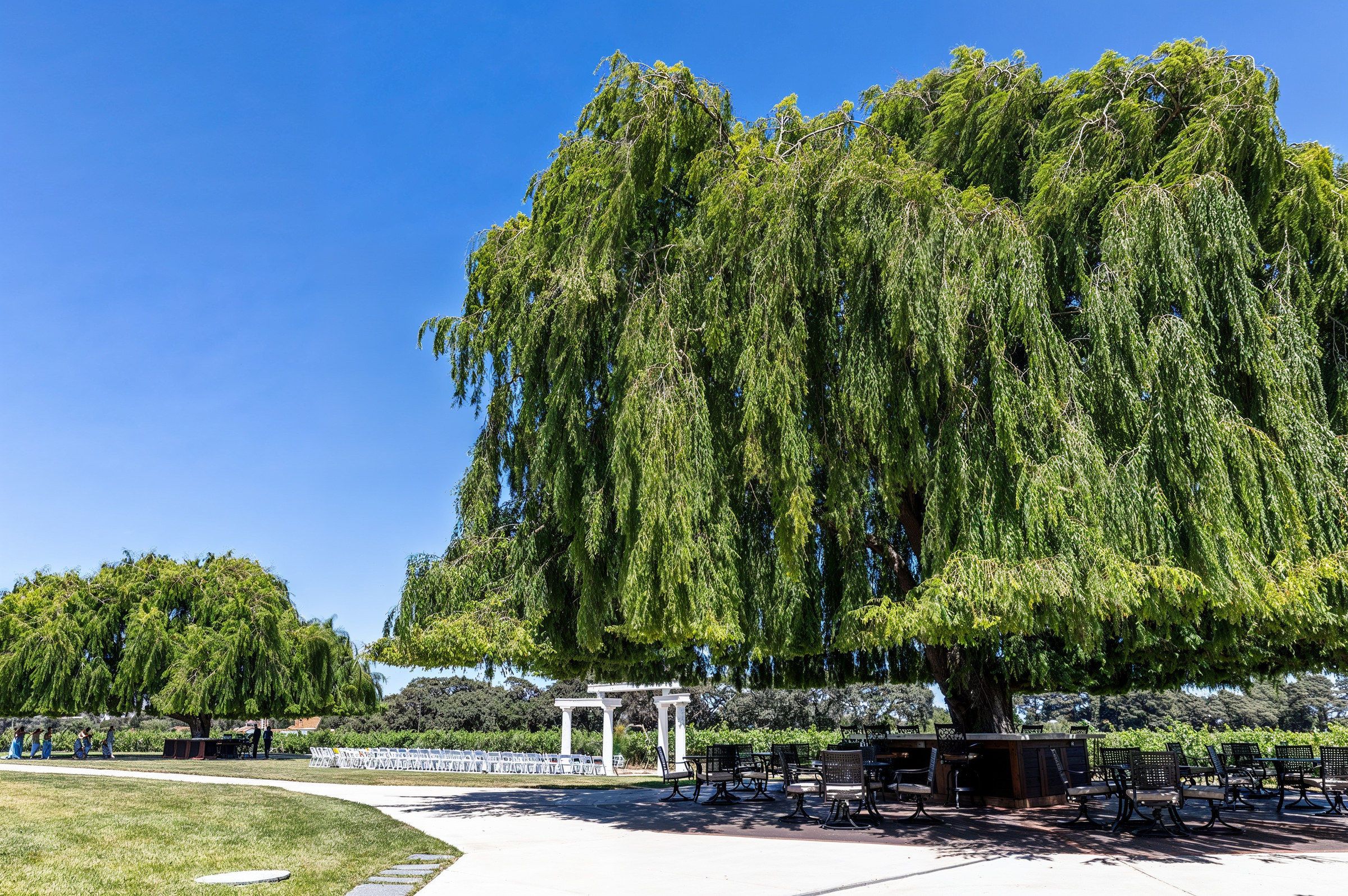
This 2020 is 100 percent estate Cabernet Sauvignon from Blocks B and C, planted to Clone 337, chosen for full ripeness and rich, intense flavor. Eighteen months with 30 percent French oak. Suisun Valley sits against the Vaca range to the west and is cooled by winds from the Sacramento-San Joaquin River Delta. Suisun is a Patwin word meaning where the west wind blows. This is the estate Cabernet, not the Heritage Vine Clone 7 bottling from Blocks A and B.
This is Bally Keal's 2020 Estate Cabernet, Blocks B and C, Clone 337, 18 months with 30 percent French oak. Joe Cassidy's Suisun Valley house. Adrian Guerrero now runs that cellar. Pour it with a short rib or a peppered ribeye.
Dark cassis. Black cherry. Fine tannin and oak.
The 2020 is 100 percent estate Cabernet Sauvignon from Blocks B and C, Clone 337. Cassis and boysenberry lead, with red raspberry and black cherry giving a broader, lifted range. Full-bodied Cabernet weight is held by fine, balanced tannin rather than hard edges. Eighteen months with 30 percent French oak adds a long, gently sweet finish while leaving the fruit in front.
Estate fruit from Blocks B and C, Clone 337, 18 months, 30 percent French oak. Cassis, boysenberry, red raspberry, black cherry, fine tannin, a long oak-shaped finish. Serve 60 to 64 F. About 30 minutes of air.
Cassis and boysenberry lead, with red raspberry and black cherry giving the fruit a broader, more lifted range.
Full-bodied Cabernet weight is held by fine, balanced tannin rather than hard edges.
A long, gently sweet French-oak finish. Serve 60 to 64 F and begin with about 30 minutes of air.
Clone 337 from Blocks B and C, aged 18 months
This 2020 is 100 percent estate Cabernet Sauvignon from Blocks B and C, planted to Clone 337. Eighteen months with 30 percent French oak adds sweetness and length while leaving the fruit in front. Organic farming, biodiesel tractors, Fish Friendly Farming, and a 100,000-watt solar array are the estate's working brief. Adrian Guerrero took the helm as winemaker and brewer in 2024. He did not make this vintage.
Clone 337 is this cuvee. Heritage Vine is Clone 7 from Blocks A and B and older vines. Do not sell the 2020 Estate as the heritage bottling. Warm days against the Vaca range, cooling delta wind, alluvial soils.
Serve 60 to 64 F. About 30 minutes of air. Short ribs or a cracked-pepper ribeye.
Blocks B and C, Clone 337, where the west wind blows
Bally Keal sits on eighty acres in the Suisun Valley AVA, established 27 December 1982, one year after Napa Valley. County Clare supplies the welcome. Suisun Valley supplies the Cabernet.

Joe arrived from County Clare in 1976 with a few tools on his belt. He delivered pizzas for an Irish cousin in San Francisco, then built a residential development firm in the Bay Area. The estate in Suisun Valley is the house he wanted guests to walk into: winery, brewery, distillery, and gathering rooms on eighty acres.
The name is Gaelic. Bally from baile na, place of. Keal for villages or farmsteads. The greeting over the door is Cead Mile Failte, one hundred thousand welcomes. Ogham stones carved in Ireland to spell Bally Keal sit on the grounds and on the label.
The photograph on this page is Joe at the estate doors, hard hat on. He is the founder. He is not the winemaker of this 2020 Cabernet. Adrian Guerrero joined that cellar in 2024.
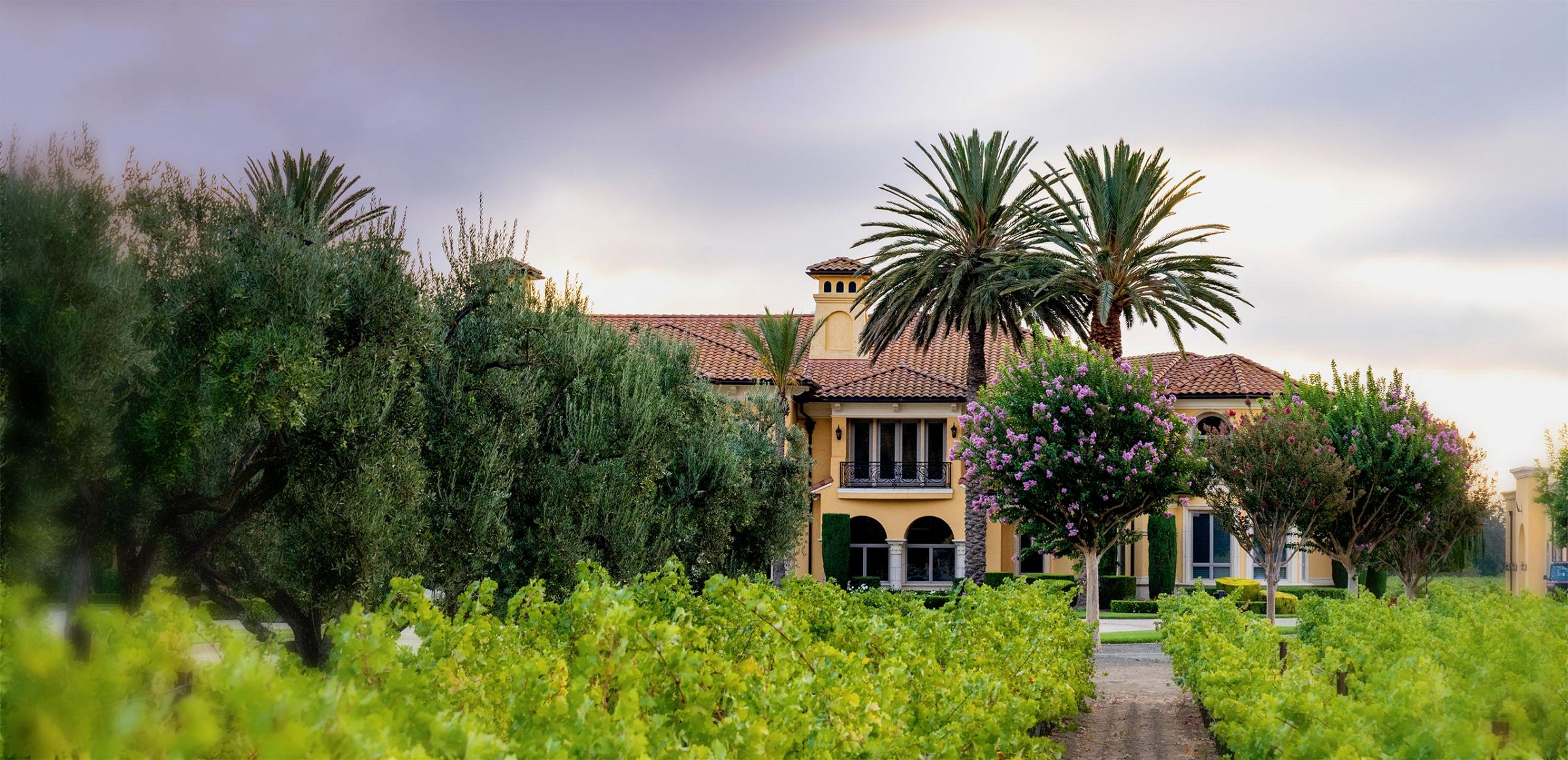
The vineyard page farms 62 acres of Cabernet Sauvignon organically, with biodiesel tractors, Fish Friendly Farming, on-site composting, and a 100,000-watt solar array. Clone 337 is the planting for this cuvee. Heritage Vine is a different wine.
Adrian Guerrero joined as winemaker and brewer in 2024. He now runs that cellar. This 2020 was already in bottle.
Give the Cabernet something browned, savory, and slow
Beef, pepper, mushrooms, and pan sauce meet the wine where it lives: dark fruit, oak, and tannin with enough red-fruit lift to keep the plate moving.
Choose the long braise when dinner can take its time, or the ribeye when you want the pairing on the table sooner.
Serve 60 to 64 F. Open the bottle about 30 minutes before the first pour.
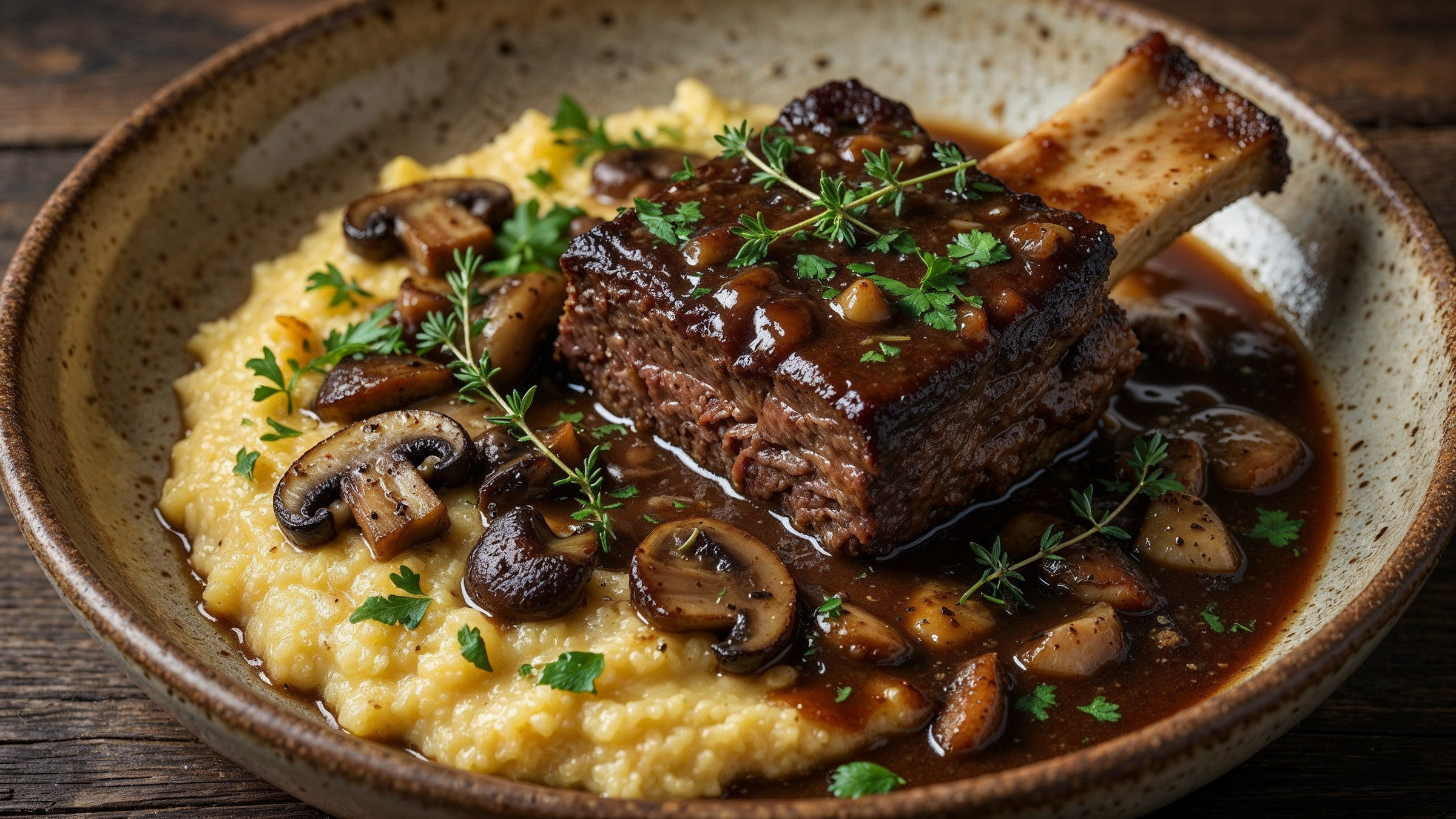
Cabernet-Braised Short Ribs with Polenta
A slow braise, creamy polenta, mushrooms, and herbs make this the generous, cold-evening pairing.
Why it works: Braised beef softens the tannin, while mushrooms and reduced sauce echo the wine's savory depth and dark fruit.
View Recipe for Cabernet-Braised Short Ribs with Polenta (opens in a new tab)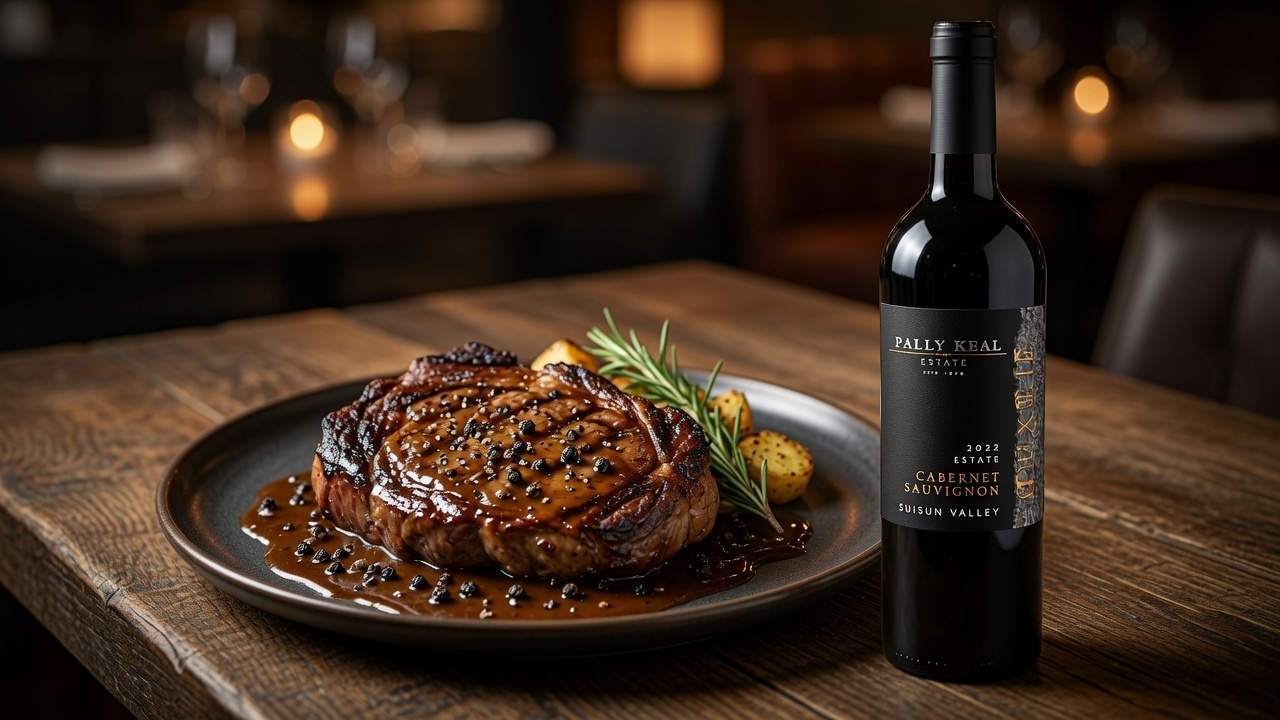
Rib Eye Steak au Poivre
A hard sear, crushed pepper, and a red-wine pan sauce give the Cabernet a direct, classic partner.
Why it works: The ribeye's richness meets the wine's structure, while pepper and pan sauce pull forward its cassis and oak-spice notes.
View Recipe for Rib Eye Steak au Poivre (opens in a new tab)Put the 2020 Clone 337 in the cart
Blocks B and C. Joe Cassidy's Irish house. Thirty dollars.
Put it in the cart. Pour it with a short rib or a peppered ribeye.