


2020 Castello Banfi Summus estate spotlight
Castello Banfi, in a film from the estate.
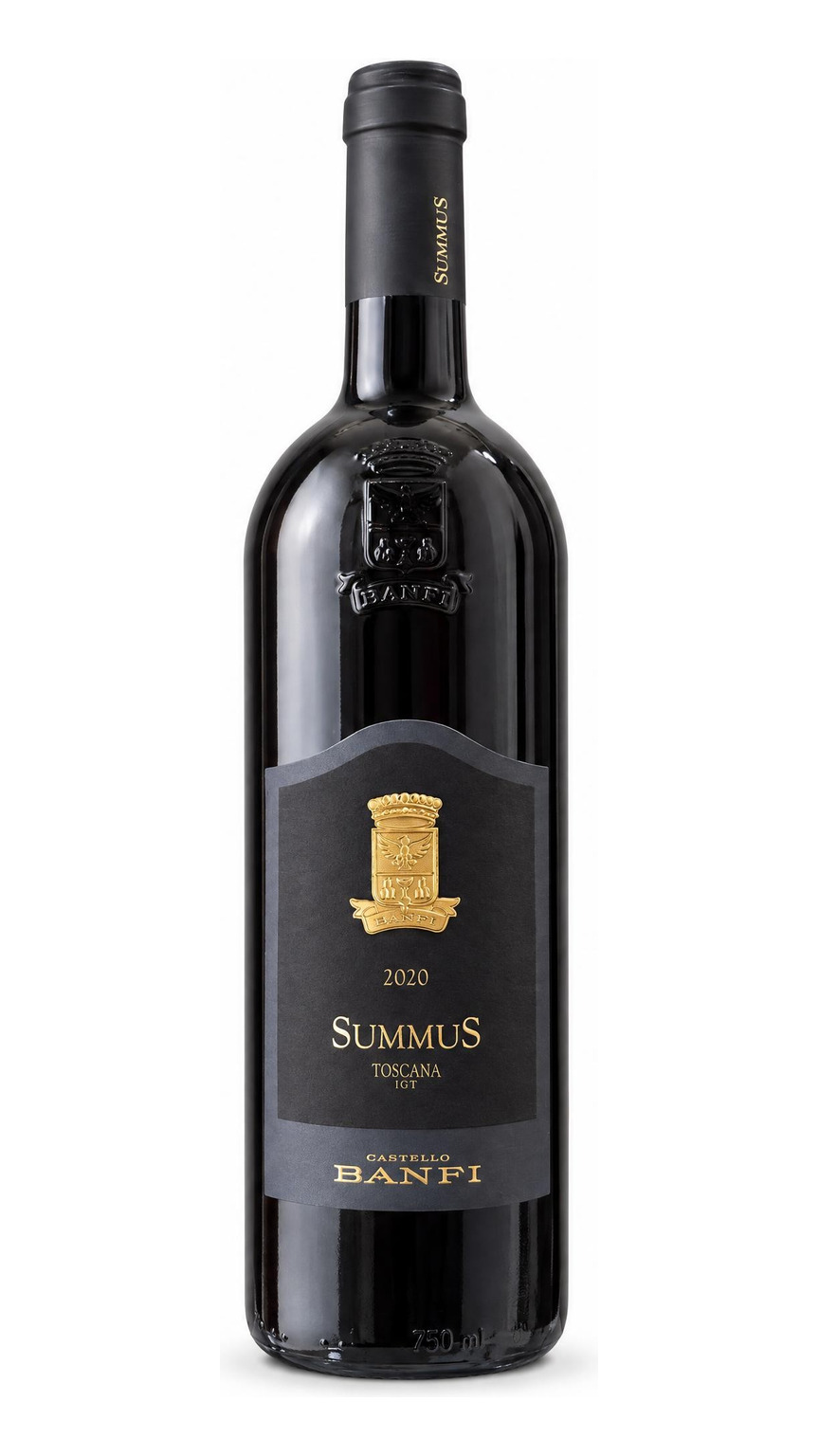

The market on this bottle
Wine-Searcher tracks this 2020 Castello Banfi Summus Sant'Antimo, Tuscany, Italy across the open market. Their published U.S. low is $58.86 and the average is $82.41. Our slash is $45.00.
Montalcino super Tuscan
2020 Castello Banfi Summus Sant'Antimo, Tuscany, Italy
Summus is Latin for highest. Banfi has made it since 1985.
Wine Advocate scored the 2020 a 94 and Wine Spectator scored it 93. The bottle is $45.
The name means highest
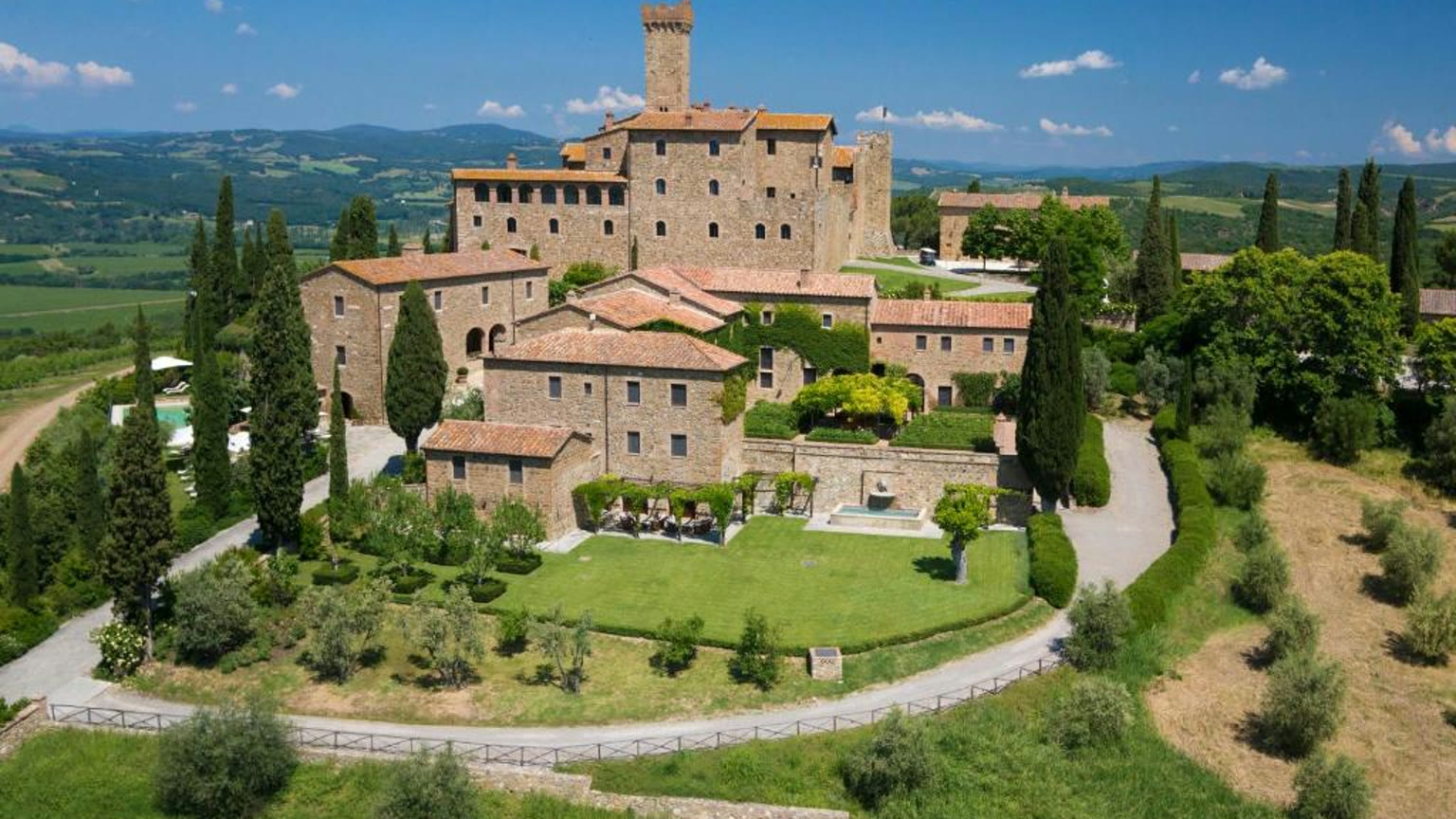
Summus is Latin for highest, and Banfi has made the wine since 1985. John and Harry Mariani started the Montalcino estate in 1978 with Ezio Rivella. In 1983 the family took the castle of Poggio alle Mura, still marked by the war, and restored it. This vintage is Sangiovese, Cabernet Sauvignon, and Syrah.
Wine Advocate scored the 2020 a 94 and Wine Spectator scored it 93. If this is the Tuscan red you open when people sit down, why leave the bottle for later?
Three grapes
Sangiovese, Cabernet Sauvignon, and Syrah are the blend.
The yield
The vines gave 60 quintals per hectare.
The alcohol
The wine is 14.5 percent alcohol.
The cellar
About 24 months in 350-liter French oak, after Horizon tanks.
Wine Advocate 94 and Wine Spectator 93
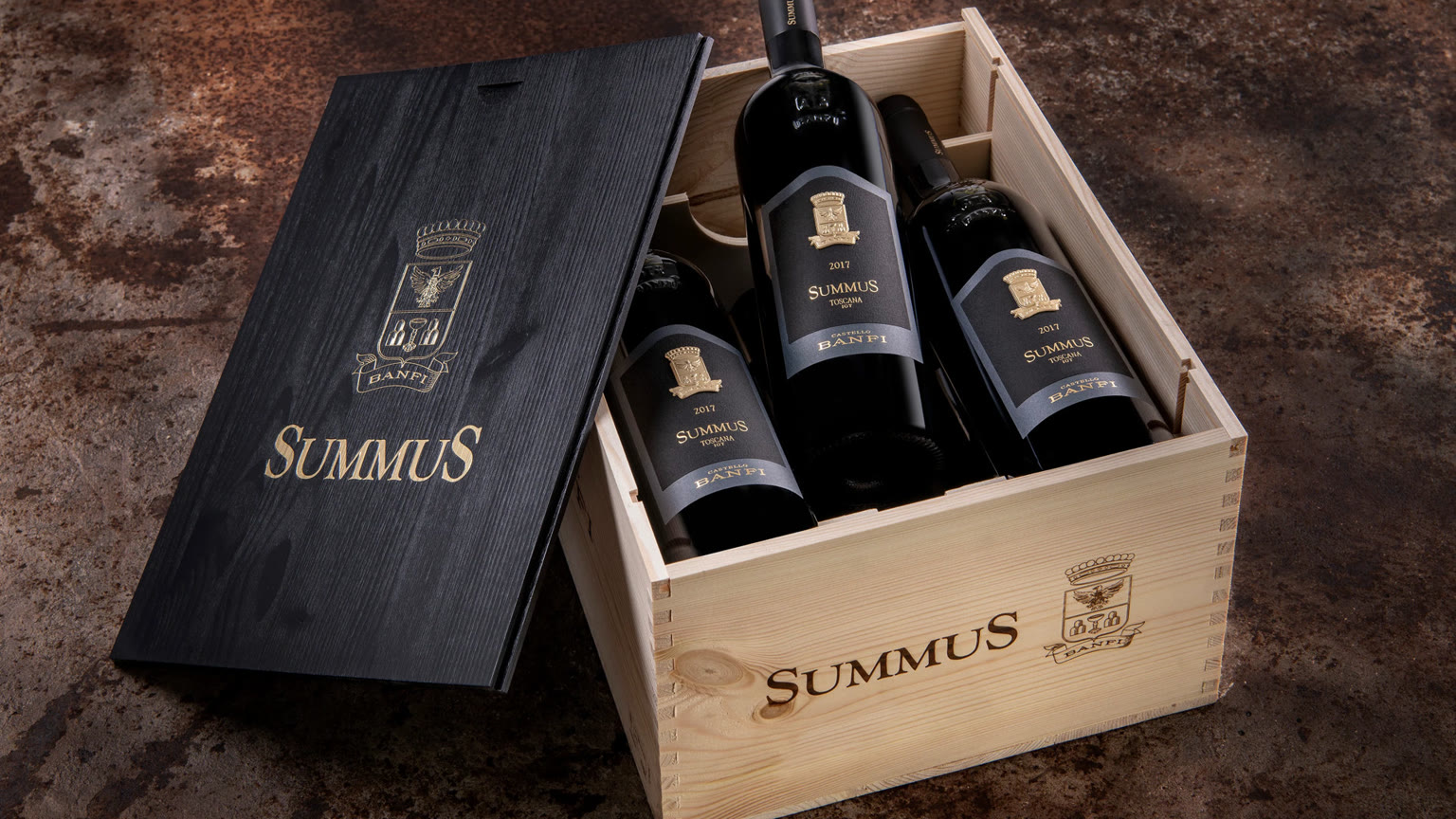
Monica Larner scored the 2020 a 94 for Wine Advocate on 20 February 2025. She tasted blackberry, baked plum, and sweet spice, with tannins that have settled and a layered glass that is ready now. Her note names Sangiovese, Cabernet Sauvignon, and Syrah.
Wine Spectator scored the same vintage a 93: cherry, plum, boysenberry, iron, and tobacco, with the first signs of truffle and underbrush. Earlier bottles earned their own ink. Wine Spectator scored the 2015 a 94 and the 2014 a 92. James Suckling scored the 2015 a 94, the 2017 a 94, and the 2019 a 92. Wine Enthusiast scored the 2016 a 94. Robert Parker scored the 2016 a 94+ and the 2018 a 94.
Blackberry, cherry, iron, and tobacco
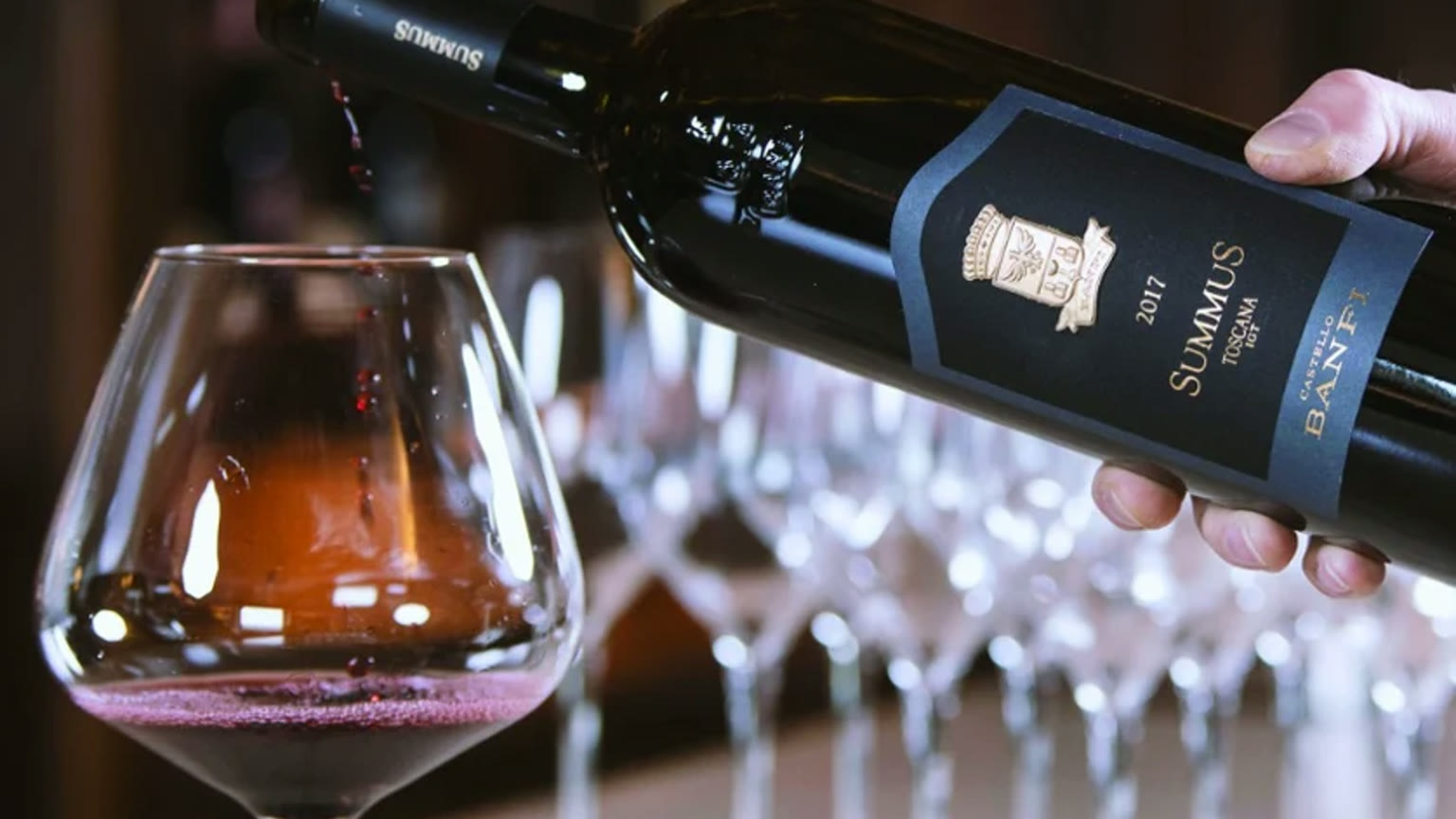
The estate calls the 2020 deeply colored, with young fruit, jam, spice, tobacco, and coffee, a strong frame, sweet tannins, and a long finish. Wine Advocate found blackberry, baked plum, and sweet spice. Wine Spectator found cherry, plum, boysenberry, iron, and tobacco.
That is the glass. Open one at $45. Twelve bottles ship free in the lower 48. Hawaii and Alaska are quoted on their own.
Blackberry, baked plum, and sweet spice.
Cherry, plum, iron, and tobacco.
Tannins that have settled, and a long finish.
Heat, then cooler nights
The 2020 season ran hot and dry, and it started about ten days early.
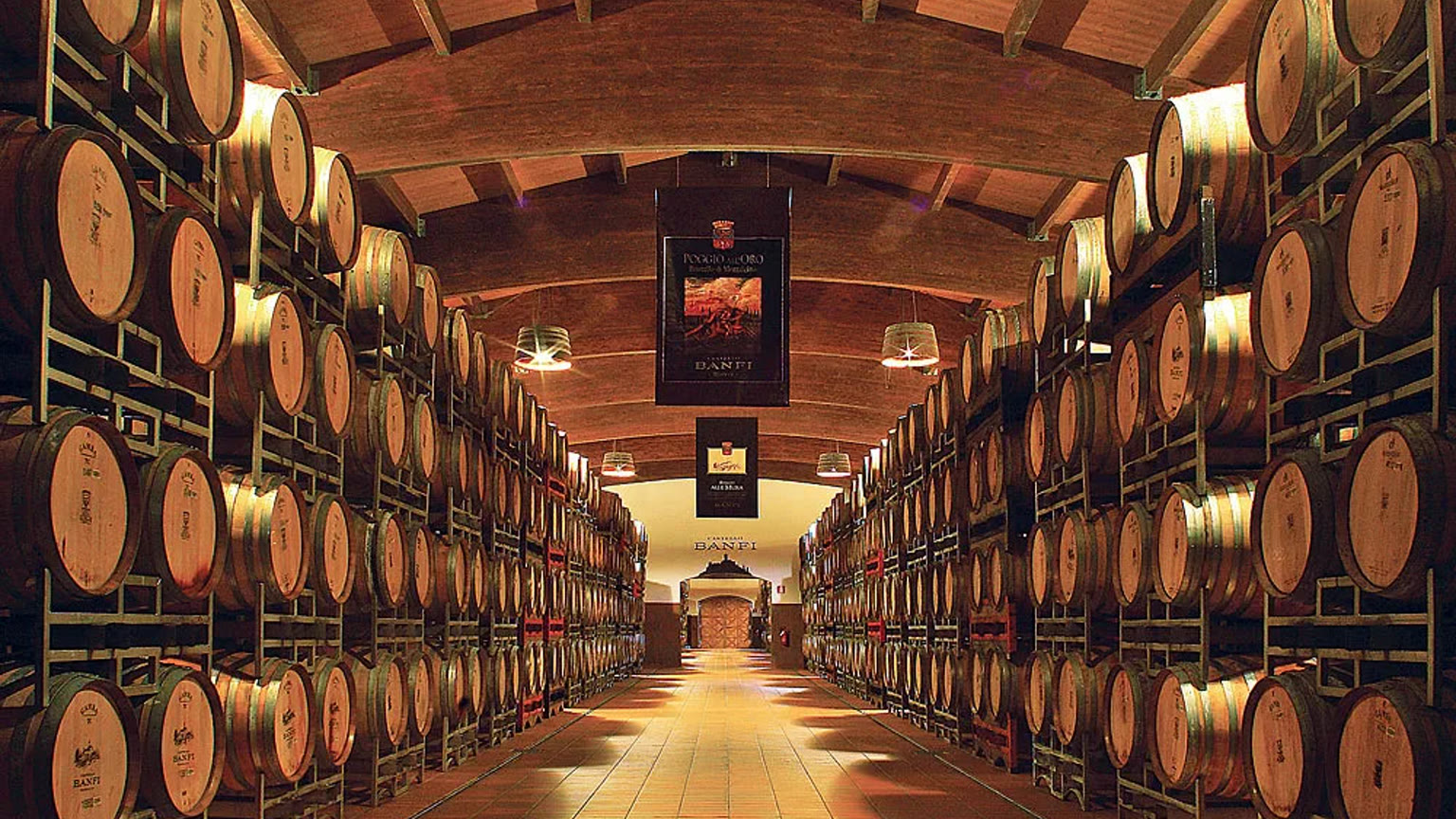
The 2020 season started about ten days early after a mild winter. From mid-June the heat rose across southern Tuscany, August pushed the harvest forward, and the dry late-summer nights let the fruit ripen without tipping into over-ripeness. Banfi calls it an excellent year for the reds.
The vines sit on sandy clay with pebbles that drain, running into calcareous clay that holds humidity, at 4,200 vines a hectare. Yield was 60 quintals a hectare. Fermentation ran at 25 to 30 degrees in Horizon tanks of French oak and stainless steel, then the wine spent about 24 months in 350-liter French oak barrels, and then it rested in bottle. Alcohol is 14.5 percent. The grapes are Sangiovese, Cabernet Sauvignon, and Syrah.
A name, a castle, and a hill
The house was pouring Italian wine in America before Summus had a vintage.
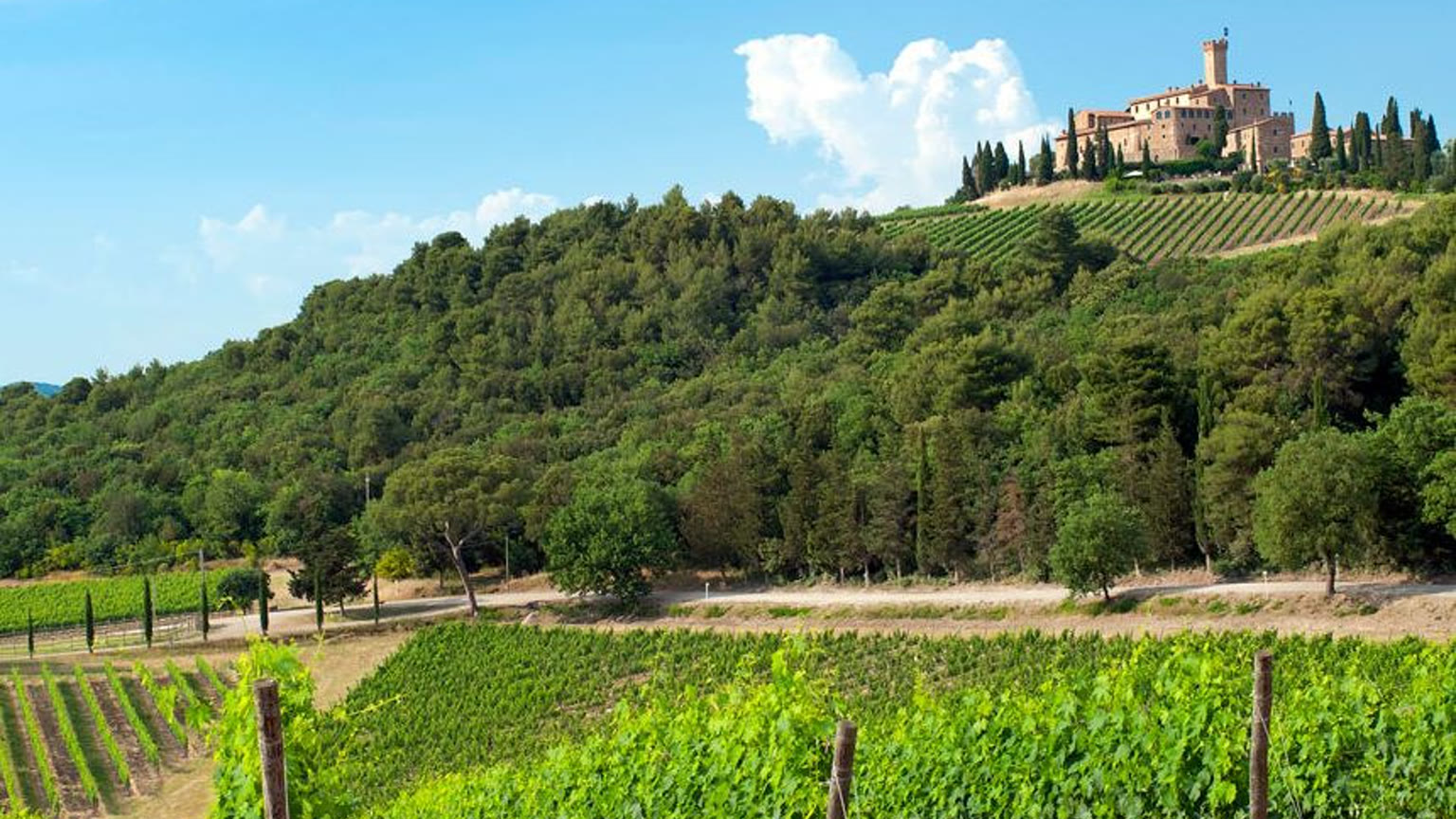
The Banfi name belongs to Teodolinda Banfi. Giovanni Mariani, father of John and Harry, gave it to the family import house in her honor. The brothers then bought ground in Montalcino in 1978 and asked Ezio Rivella to plant it.
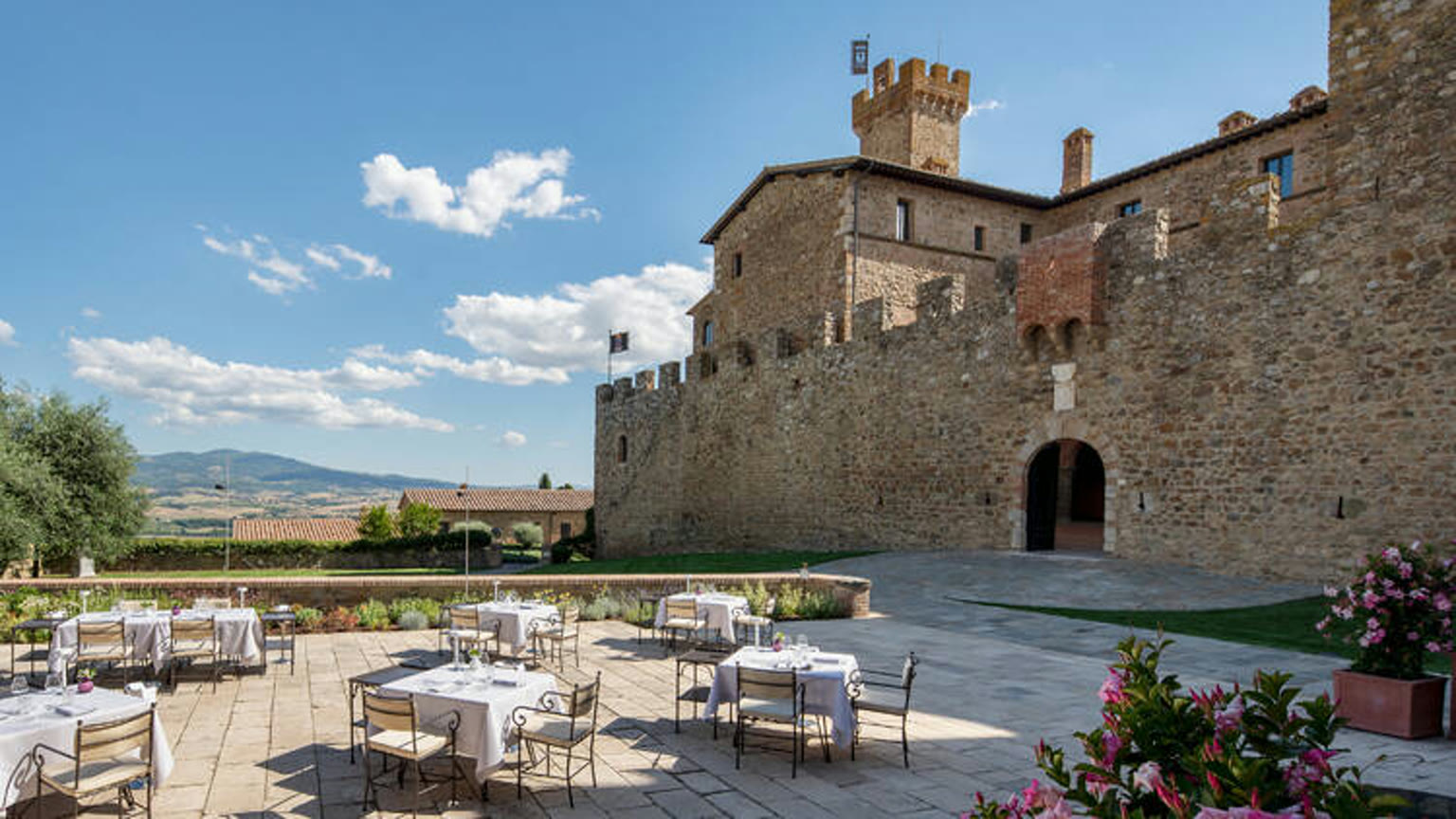
The castle above those vines is older than the family. Poggio alle Mura enters the written record in 1318. The Marianis took it in 1983, still damaged from the Second World War, and restored it.
Summus, Latin for highest, began with the 1985 vintage on that hill. Cristina Mariani-May, John's daughter, now leads the family company, and the 2020 still puts Sangiovese with Cabernet Sauvignon and Syrah.
Pour it when the steak comes off the grill
The sweet tannins, and the jam, spice, tobacco, and coffee, are built for bistecca alla fiorentina, with white beans and rosemary beside the board.
Bistecca alla fiorentina is the plate, with white beans and rosemary beside it.
Banfi suggests 16 to 18 degrees. Open and pour, or give the frame a short decant before you slice the steak.
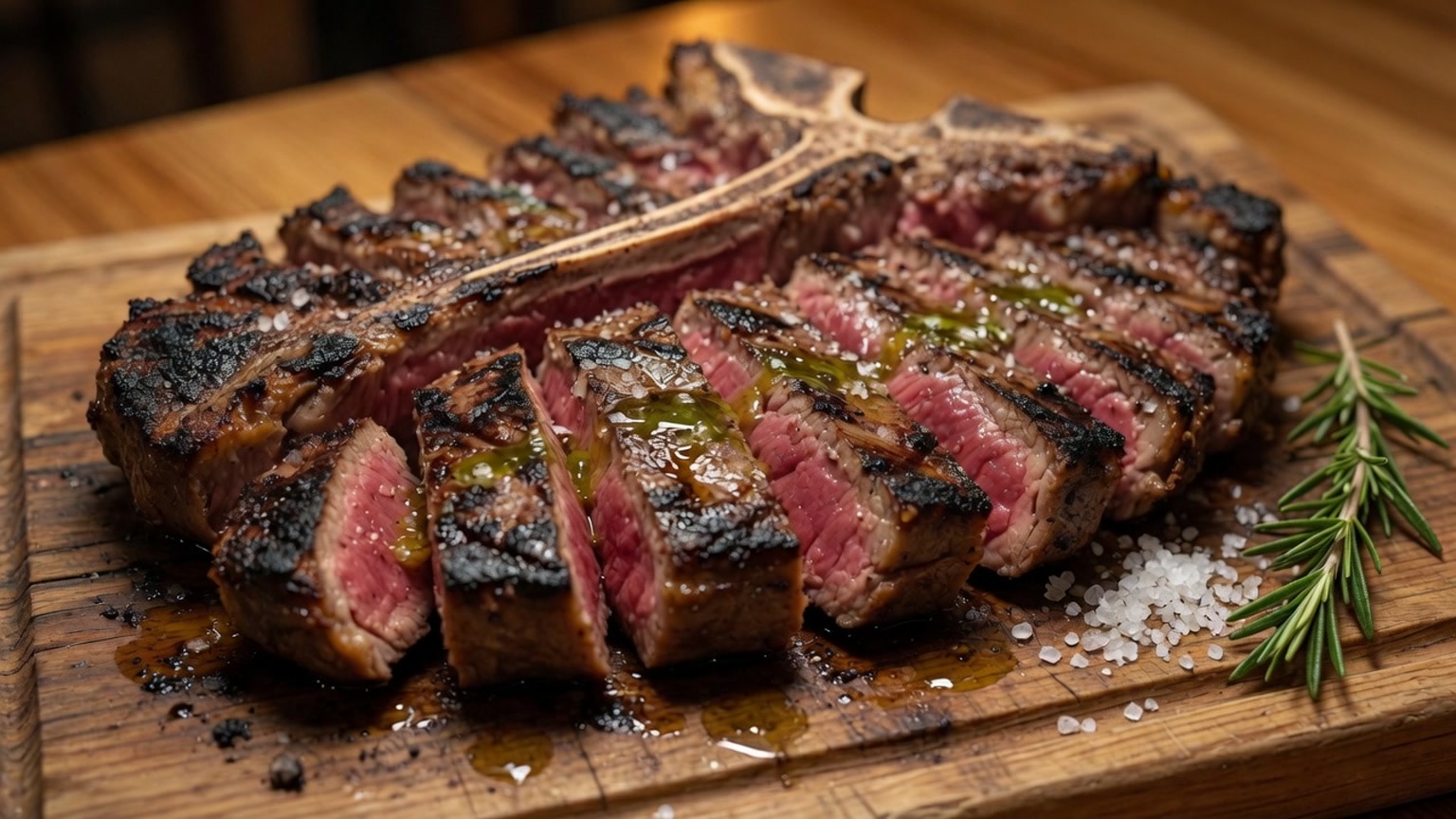
Chi Spacca's Bistecca Fiorentina
A thick bone-in steak is grilled over direct heat, finished on the bone, and sliced with olive oil and salt.
Why it works: The steak has the char for a wine with jam, spice, tobacco, and a long finish.
View Recipe for Chi Spacca's Bistecca Fiorentina (opens in a new tab)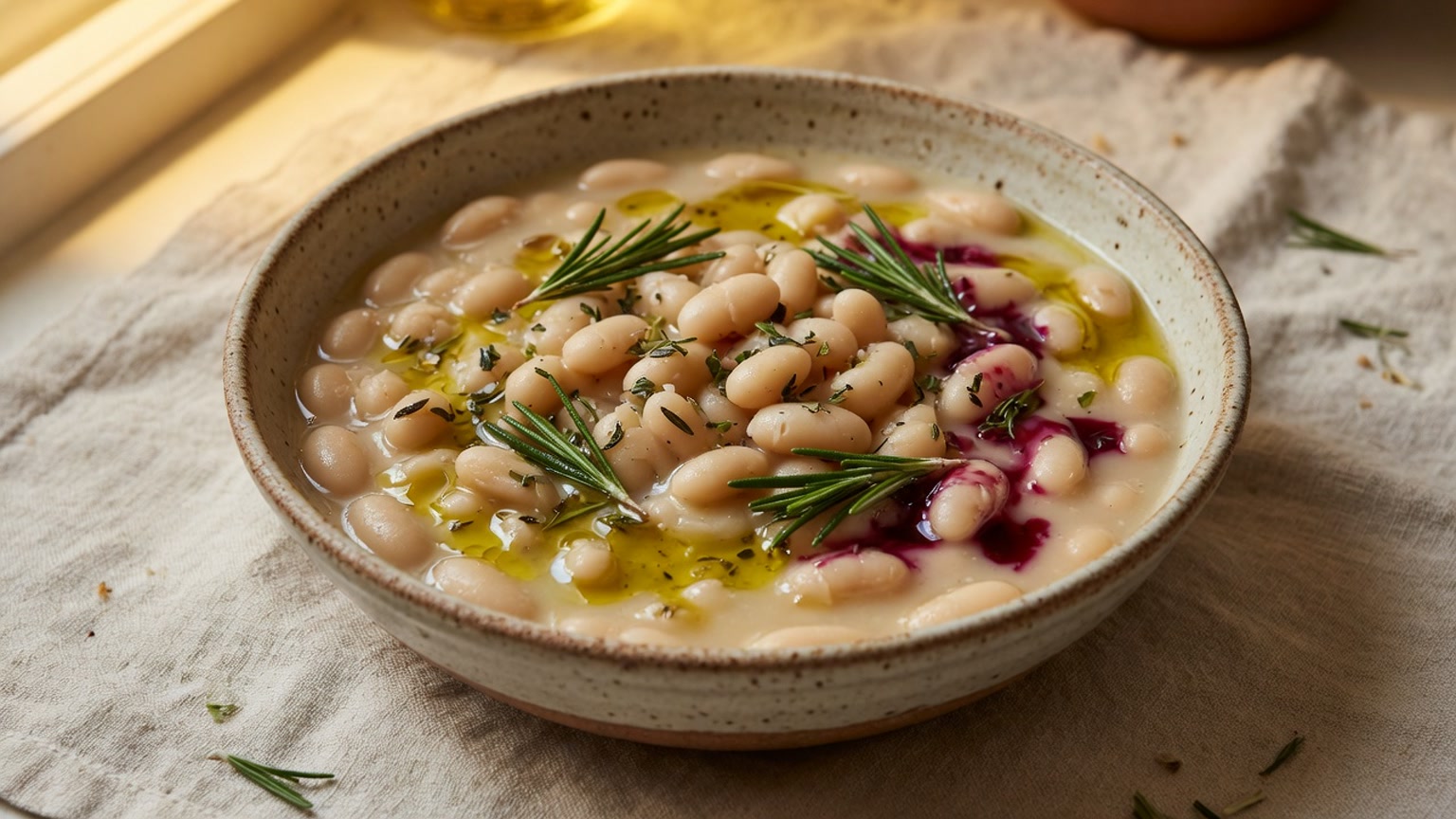
White Beans with Rosemary and Vinegar
Lidia Bastianich simmers white beans with onion, rosemary sprigs, and red-wine vinegar until the herbs sit in the pot.
Why it works: Rosemary and beans are the Tuscan side that lets the wine's spice stay in front.
View Recipe for White Beans with Rosemary and Vinegar (opens in a new tab)Pour the 2020
The 2020 is $45. Wine Advocate scored it 94 and Wine Spectator scored it 93, and the steak is the reason to open it tonight.
Open a bottle when the bistecca comes off the grill.
