


Domaine Faiveley house spotlight


The market on this bottle
Wine-Searcher tracks this 2020 Domaine Faiveley Corton-Charlemagne Grand Cru Cote de Beaune, France (96RP) across the open market. Their published U.S. low is $292.31 and the average is $461.62. Our slash is $291.00.
2020 Domaine Faiveley Corton-Charlemagne Grand Cru Cote de Beaune, France (96RP)
Erwan Faiveley's Ladoix Corton-Charlemagne, grey marl and lees-stirred barrels, a 96-point 2020 Grand Cru you can open at three hundred fifty dollars.
The 2020 Corton-Charlemagne is Ladoix-side Grand Cru Chardonnay: pear, peach, white flowers, fresh bread, nutmeg, and hazelnut, now $291.
A Ladoix Grand Cru from the parcel they bought with Clos des Cortons
Faiveley bought this Corton-Charlemagne in 1874 with the Clos des Cortons Faiveley monopole. Jerome Flous farms about a hectare in four parcels at Rognets, just above that red Clos, with sand sitting oddly in the middle. William Kelley 94 to 96: unusually textural and broad-shouldered for this Ladoix-derived cuvee, bright acids, chalky extract. This is Grand Cru Chardonnay with a domaine name, not a negociant speech.
The house
Domaine Faiveley was founded in 1825 in Nuits-Saint-Georges. Erwan Faiveley runs the largest family domaine in Burgundy. Jerome Flous is technical director.
The wine
Hand harvest, pneumatic press, four weeks in barrel, frequent lees stirring, 18 months elevage. 50 to 60% new French oak.
The scores
Wine Advocate 94 to 96, William Kelley. Burghound 93 to 95. Wine Spectator 94, best from 2025 through 2036.
The drinker
Pear and hazelnut first. Serve 50 to 54 F. A short splash pour. Roast chicken or grilled salmon.
Pear and peach, then hazelnut, bread, and chalk
William Kelley found pear, peach, white flowers, freshly baked bread, nutmeg, and hazelnuts, full-bodied, layered, and multidimensional. Burghound found mineral reduction, smoked green apple, and floral wisps, then density, power, and outstanding persistence. Wine Spectator found peach, apple, stone, and spicy oak on a vivid, lightly tannic finish.
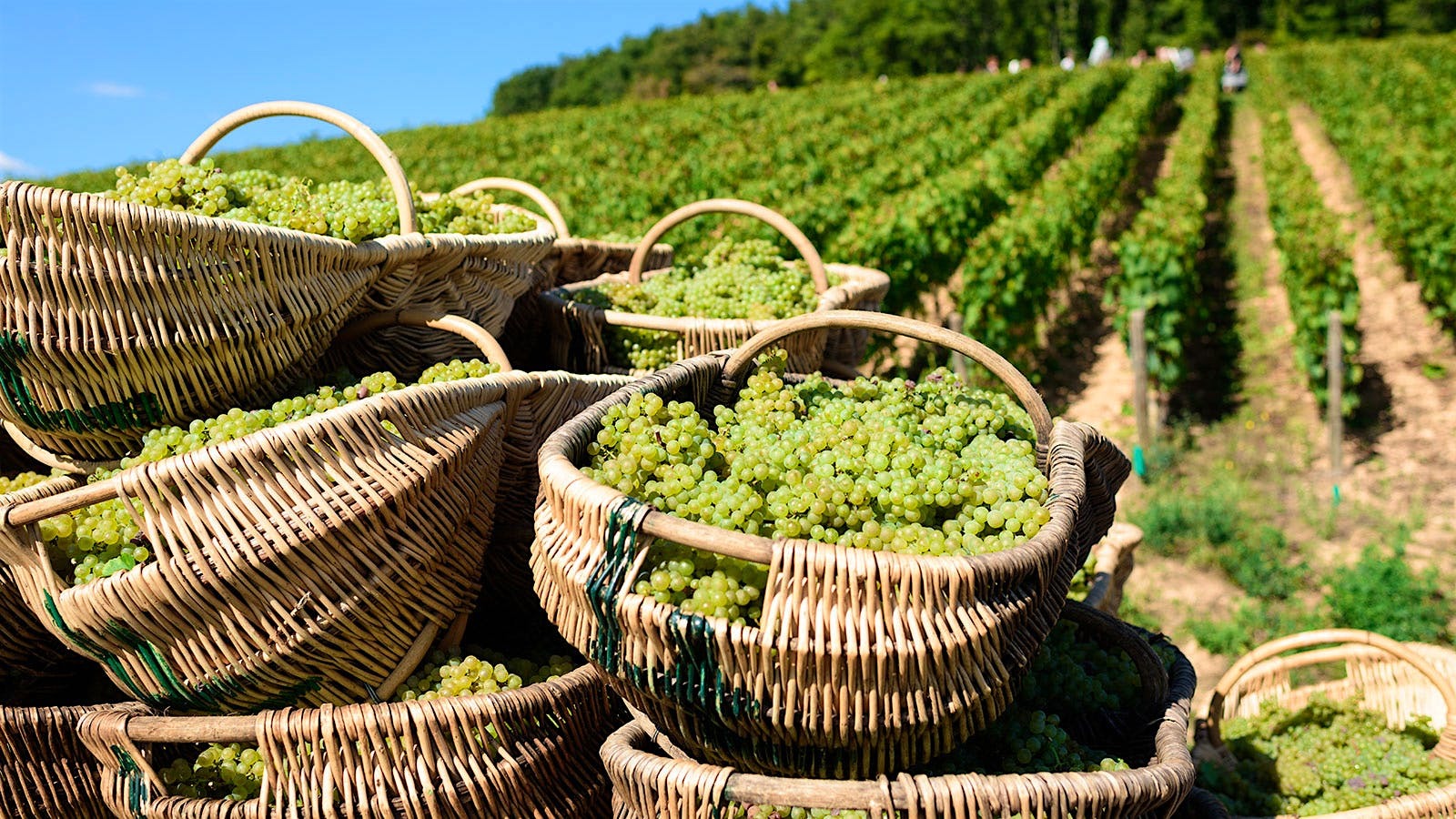
A warm, dry Burgundy year that still kept freshness. Harvest at the domaine ran late August into early September. Kelley called this cuvee especially successful, broader than the usual Ladoix line. Drink from 2025 through the mid-2030s.
Pear, peach, white flowers, smoked green apple, hazelnut, nutmeg, fresh bread.
Full and layered, chalky extract, 50 to 60% new oak, bright acids, a light tannic feel.
Long, mineral, saline. Serve 50 to 54 F. A few minutes in the glass, not a hard decant.
Four parcels, pneumatic press, then 18 months on the lees
Faiveley's own method is hands and patience. Grapes are harvested and sorted by hand. Musts come from a pneumatic press and are settled. Vinification lasts about four weeks in French oak, 50 to 60 percent new, in cellars with steady temperature and humidity. The wines are stirred often to keep contact with the lees, which is how they keep tension, aromatic complexity, and a smooth palate. Elevage is 18 months.
The four Rognets parcels sit just above Clos des Cortons. East exposition. Grey marls. Almost a hectare, each block a little different, sand in the middle.
Serve 50 to 54 F in a Burgundy stem. Roast chicken, grilled salmon, or anything with lemon and brown butter.
An 1825 family, a hillside named for an emperor
Legend says Charlemagne had the Corton hillside replanted to white grapes so the wine would not stain his beard. Faiveley bought this white parcel in 1874.
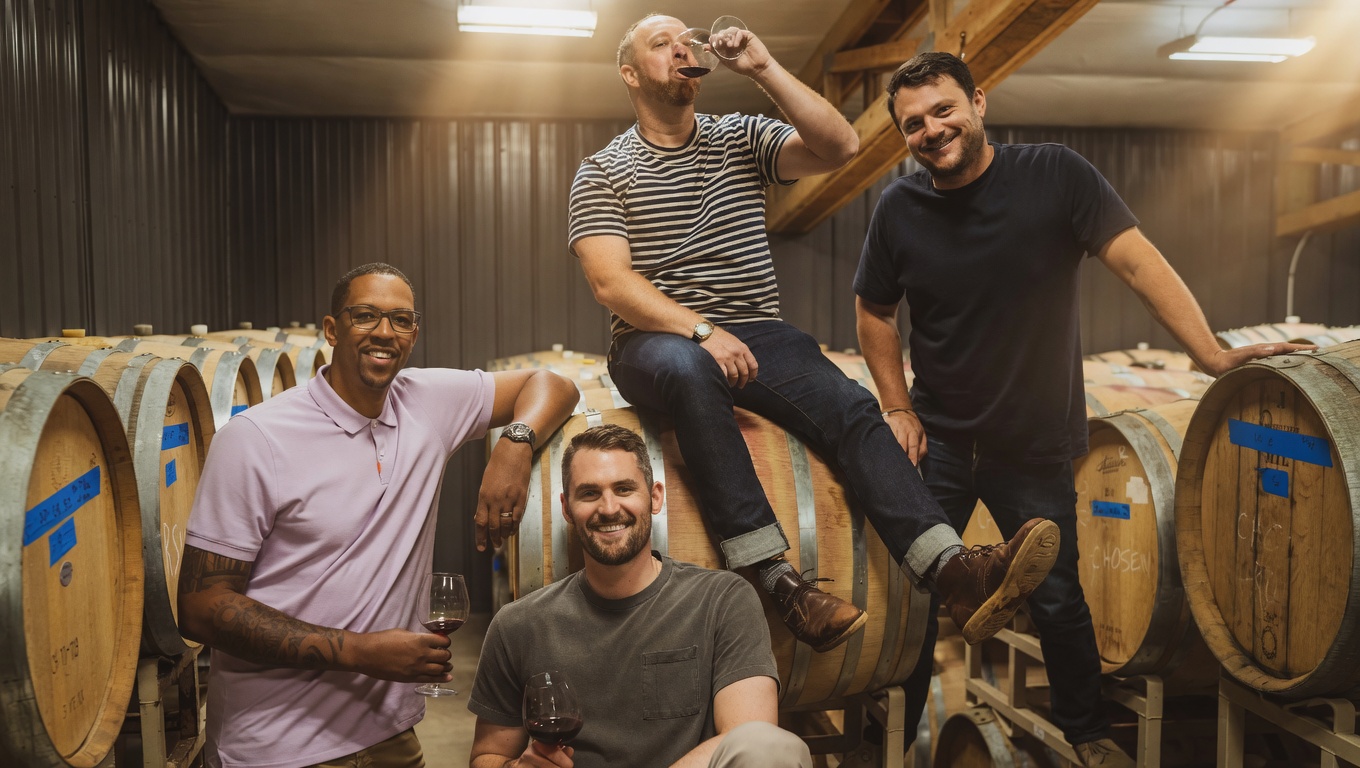
Pierre Faiveley founded the house in Nuits-Saint-Georges in 1825. Seven generations later Erwan still runs a family domaine, not a brand committee.
The same 1874 purchase brought Clos des Cortons Faiveley, the red Grand Cru monopole. This Corton-Charlemagne is the white neighbor on the Ladoix face of the hill.
Erwan and Jerome Flous have pushed the wines toward freshness and site rather than extraction and oak for its own sake. The 2020 is that modern Faiveley in Grand Cru form.
Lemon, roast skin, and a little fat
Grand Cru Chardonnay wants roast bird, grilled salmon, and brown butter. Pear and hazelnut in the glass, lemon and fat on the plate.
Two plates. One lemon roast chicken. One grilled salmon. Both can take the mineral and the lees.
Serve 50 to 54 F. A few minutes in the glass. No hard decant.
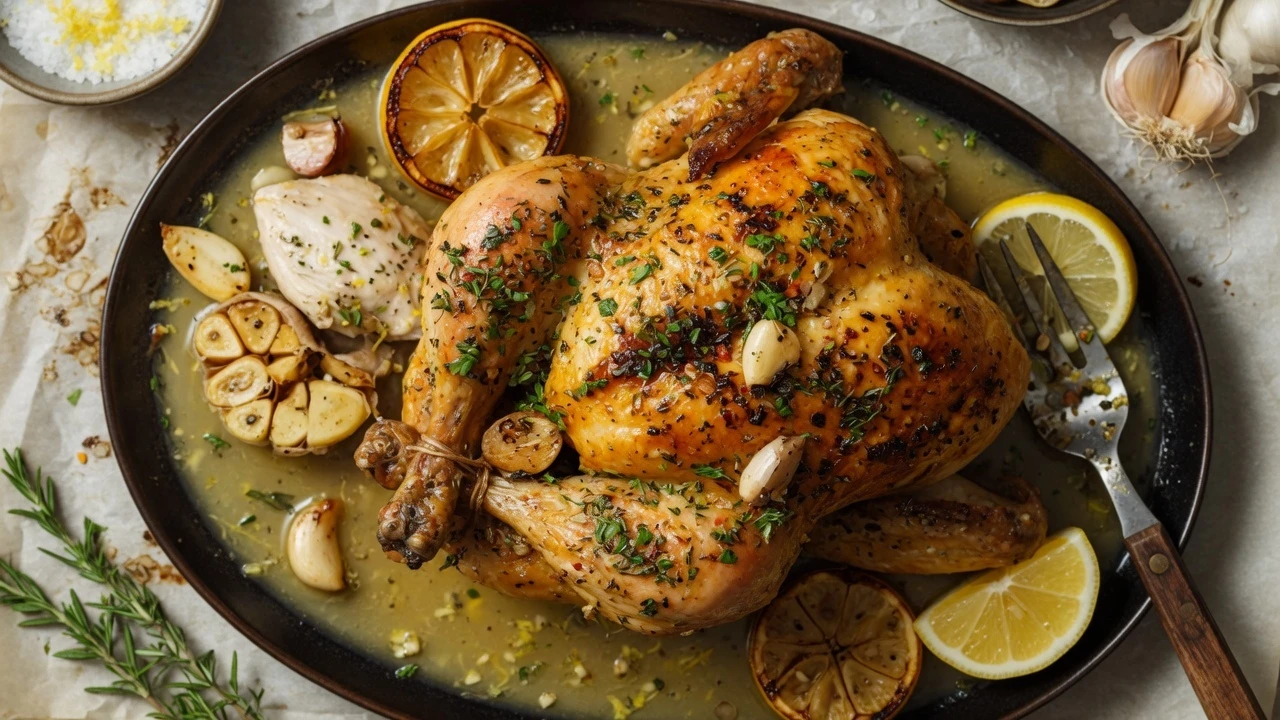
Lemon-Garlic Roast Chicken
Citrus, herbs, and pan juices. A Grand Cru Chardonnay landing that does not ask for cream.
Why it works: Lemon and roast fat meet chalky extract while herbs echo the floral line.
View Recipe for lemon-garlic roast chicken (opens in a new tab)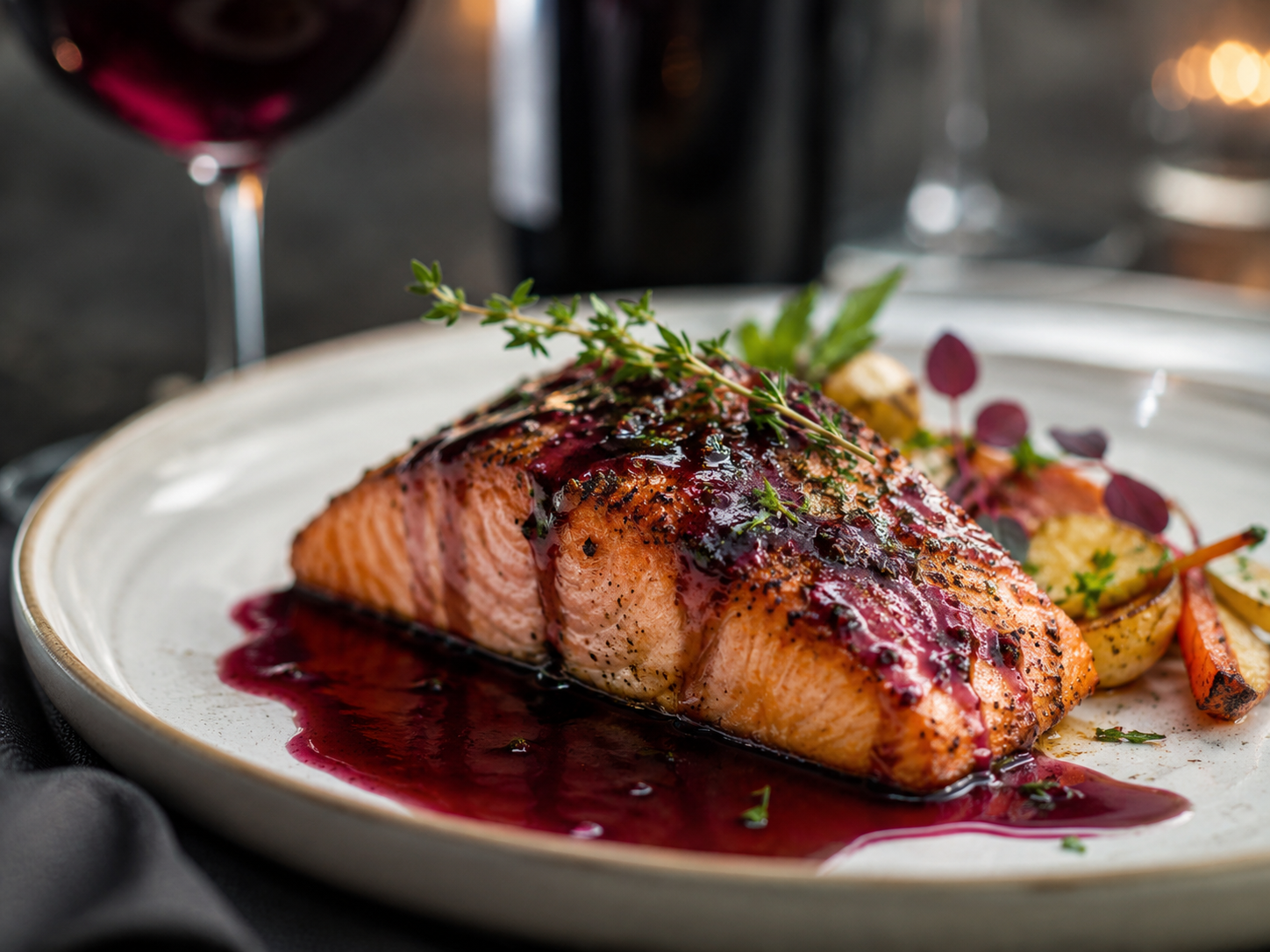
Grilled Salmon with Lemon-Herb Butter
Salmon, lemon, and herbs. Enough richness for barrel-fermented Corton-Charlemagne.
Why it works: Rich fish and citrus pull pear and peach forward while the saline finish cuts the butter.
View Recipe for grilled salmon with lemon-herb butter (opens in a new tab)Put Corton-Charlemagne in the cart
William Kelley 94 to 96, Ladoix Grand Cru, 18 months on the lees. Three hundred fifty dollars.
Put it in the cart. This is Faiveley's 1874 white parcel, priced under a $400 typical retail, built for a decade in the cellar.
