


Isole e Olena spotlight
Paolo De Marchi is on camera explaining the winemaking philosophy of Isole e Olena, the same house and hand behind this 2020 Chianti Classico.


The market on this bottle
Wine-Searcher tracks this 2020 Isole e Olena Chianti Classico DOCG Tuscany, Italy across the open market. Their published U.S. low is $30.37 and the average is $36.98. Our slash is $33.00.
2020 Isole e Olena Chianti Classico DOCG Tuscany, Italy
Paolo De Marchi's Chianti Classico from San Donato in Poggio, cherry and stone on large-cask silk, a 93-point 2020 you can open at thirty-three dollars.
The 2020 Isole e Olena Chianti Classico is Sangiovese with Canaiolo from estate vineyards at 300 to 480 meters: cherry, strawberry, almond-earth, and a stony mineral close after a year in large casks, now $33.
A San Donato in Poggio Chianti built for the table, not a Super Tuscan speech
Isole e Olena is Paolo De Marchi's quality revolution in a bottle: stainless ferment for purity, about 12 months in large casks so oak stays in the background, then bottle age for lift. Wine Spectator 93: complex, silky, cherry-strawberry core, almond-earth, long fruit-and-mineral finish, best 2025 through 2033. James Suckling 93. Decanter 93. Three thousand nine hundred cases imported. This is the house Chianti, the one that still wants tomato, olive oil, and herbs.
The house
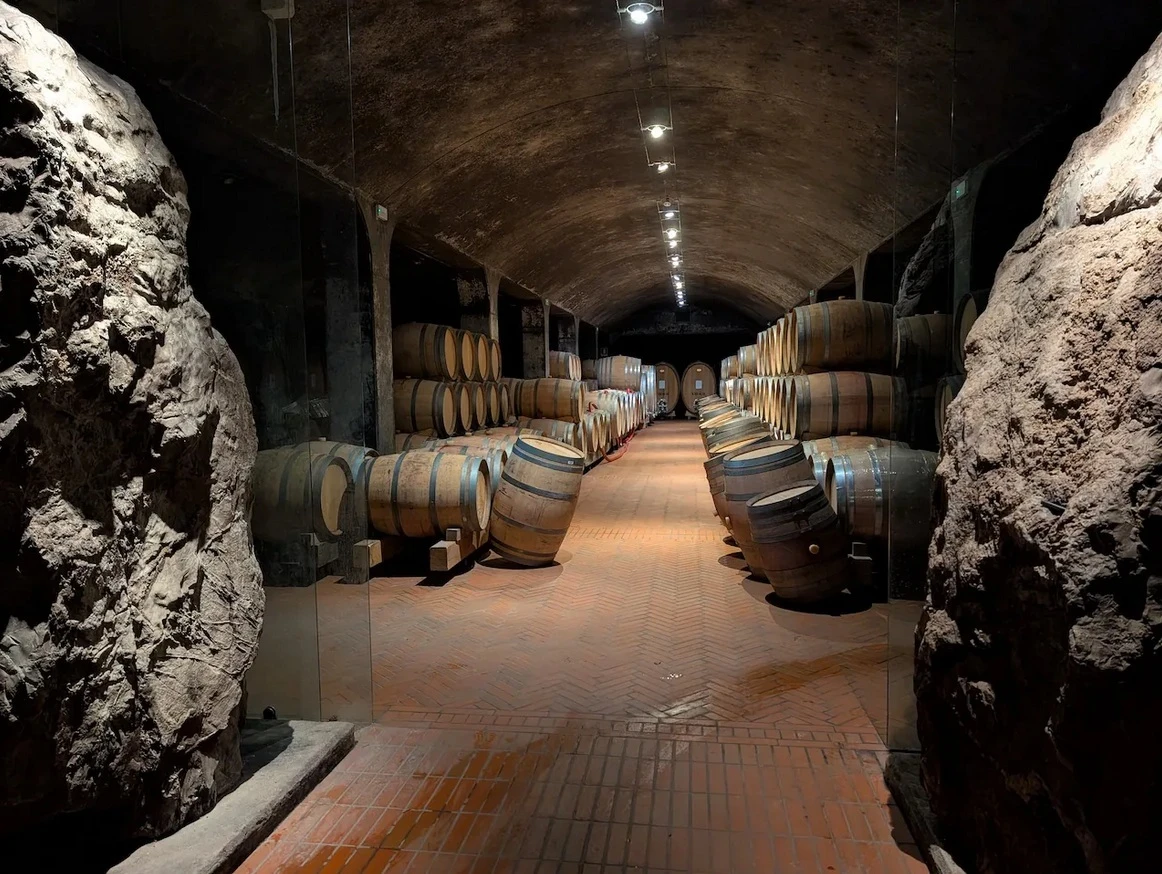
Founded in 1956 and shaped by Paolo De Marchi from the 1970s on, Isole e Olena became a Chianti Classico reference: modern in precision, traditional in soul.
The wine
Sangiovese with Canaiolo. Stainless ferment. About 12 months in large casks, then about 6 months in bottle. Serve slightly cool.
The scores
Wine Spectator 93. James Suckling 93. Decanter 93. Silky tannin, stony minerality, a long finish.
The drinker
Cherry and stone first. Pappa al pomodoro, or bistecca alla Fiorentina.
Cherry and strawberry, then almond, herbs, and stone
Wine Spectator found a complex, silky red with a cherry-strawberry core, almond-earth nuance, excellent balance, and a long fruit-and-mineral finish. James Suckling found ripe fruit with orange peel and stony minerality, medium-to-full, velvety tannins, broad and even, lingering. This is freshness-first Chianti, oak in the background.
A mild, dry winter, a cool March, late-August rain, then a calm September. Excellent overall quality. Stainless ferment kept the fruit bright. Large casks softened the edges without masking Sangiovese's snap. Best 2025 to 2033.
Cherry, strawberry, orange peel, almond, Tuscan herbs, stony minerality.
Silky, lively acidity, velvety tannin, large-cask elevage, freshness-first.
Long, fruit-and-mineral. Serve slightly cool. No hard decant. A few minutes in the glass.
Stainless for purity, large casks for silk
The 2020 was fermented in stainless steel to keep fruit pure and bright, then matured about 12 months in large casks, plus about 6 months in bottle. That is De Marchi's Chianti grammar: lift, balance, and Sangiovese snap, oak as a vessel. Estate vineyards sit at 300 to 480 meters in San Donato in Poggio, on limestone, clay slates, marls, and sandstone, generally south and southwest exposures.
Canaiolo is the supporting grape, not a Cabernet speech. The wine is built to pair: tomato, olive oil, herbs, a little grip.
Give it a slight chill. Pour with bistecca, pappa al pomodoro, roast chicken, or aged pecorino.
Two hamlets, one Chianti idea
Isole e Olena takes its name from two hamlets in San Donato in Poggio, between Florence and Siena.
The estate was founded in 1956. Paolo De Marchi's work from the 1970s onward made it a Chianti Classico reference point: clarity, balance, and that unmistakable Classico edge.
This bottling is the house style at its most essential. Not Cepparello. The Chianti, the one that still belongs next to tomato and olive oil.
De Marchi sold the estate later. This 2020 is his vintage in the glass: precision without losing the Tuscan, food-first soul.
Tomato, olive oil, herbs, and a little char
When in doubt, tomato plus olive oil plus herbs. This wine was built for that lane, and it still has the grip for bistecca.
Two plates. One pappa al pomodoro. One bistecca alla Fiorentina. Both can take this Chianti's acidity and silk.
Serve slightly cool. No aggressive decant. A few minutes in the glass opens cherry and stone.
:max_bytes(150000):strip_icc()/SEA-SoupsandStewsMPP-TuscanPappaAlPomodoro-MorganHuntGlaze-58c0985819fc4d2cbbd3bd0477c2bb6e.jpg)
Pappa al Pomodoro (Tuscan Tomato and Bread Soup)
Tomato, bread, olive oil, and herbs. The Chianti Classico weeknight plate.
Why it works: Tomato acidity meets Sangiovese snap. Olive oil and bread soften the tannin without hiding the stone.
View Recipe for pappa al pomodoro (opens in a new tab)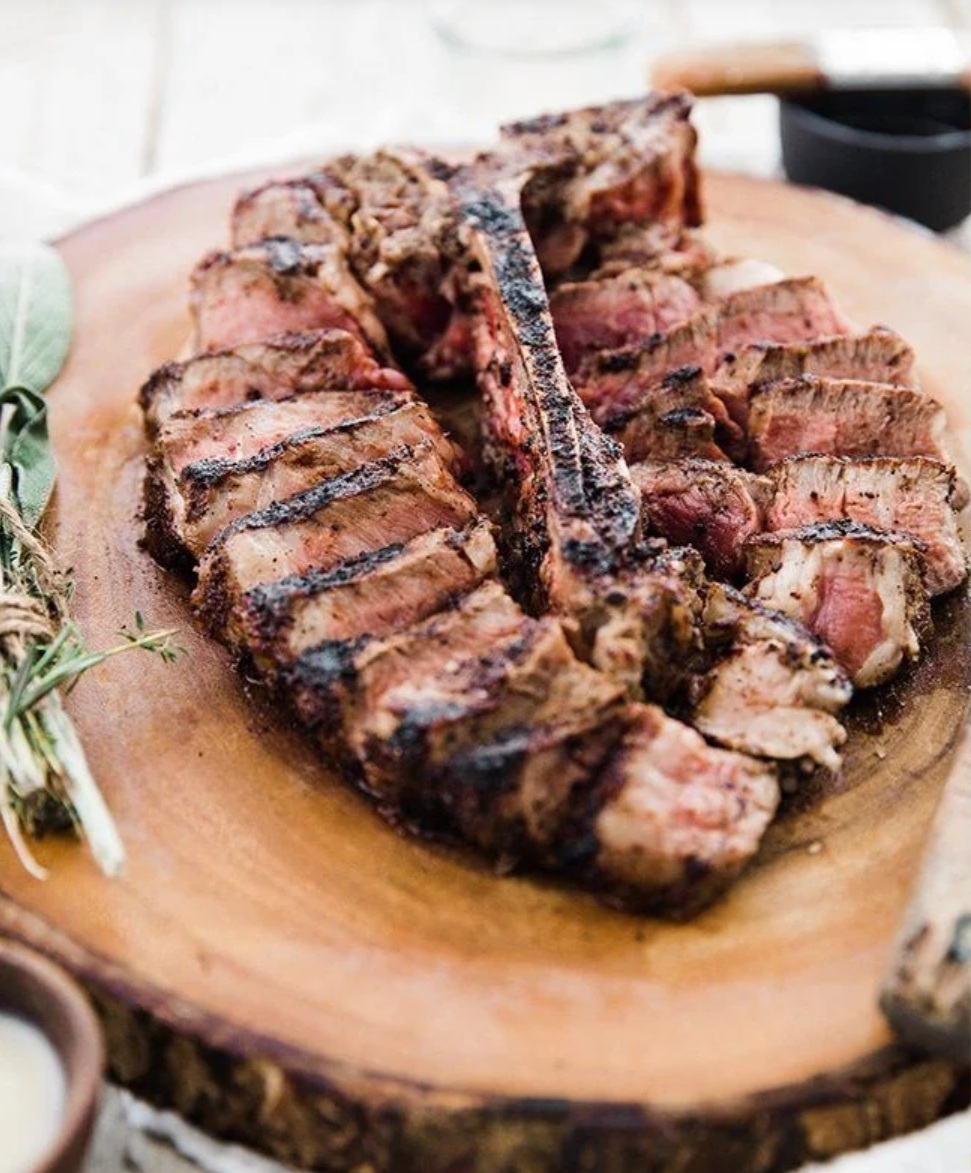
Bistecca alla Fiorentina (Tuscan Porterhouse Steak)
A thick grilled steak is the other native pairing: char enough for the grip, simple enough to let cherry and herbs show.
Why it works: Beef fat and a grilled crust give the tannin a landing. Salt, rosemary, and lemon pull the mineral line forward.
View Recipe for bistecca alla Fiorentina (opens in a new tab)Put this Chianti Classico in the cart
Wine Spectator, Suckling, and Decanter all 93. De Marchi's house Chianti. Thirty-three dollars.
Put it in the cart. This is Isole e Olena for a table that wants cherry, stone, and a real Tuscan food wine.
