


2021 Ovid Napa Valley estate spotlight
Harvest at Ovid Winery, Napa Valley, from Silver Gal Travel.


The market on this bottle
U.S. shop listings for this 750ml, before sales tax. Auctions and clearance specials are left out. The main-listing low is $360, and this bottle is $360. Checked 2026-10-06.
Pritchard Hill red
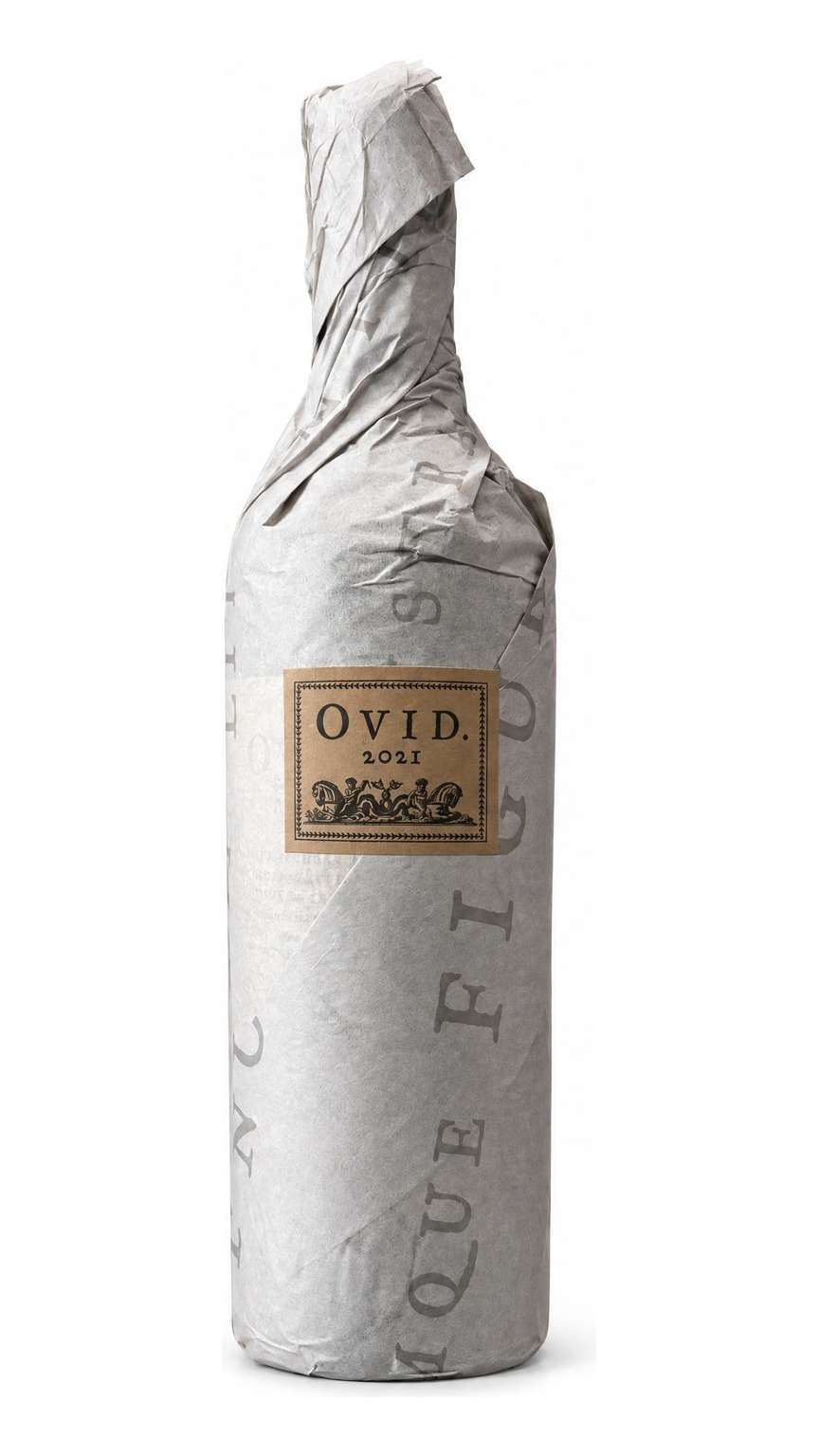
2021 Ovid Napa Valley Red Wine, Napa Valley, USA
Two perfect scores, then 99, 98, and 97.
Jeb Dunnuck and Jonathan Cristaldi, writing for Decanter, both scored the 2021 a 100. Lisa Perrotti-Brown scored it 99 for The Wine Palate. James Suckling scored it 98. Vinous scored it 97. Austin Peterson has led the winemaking since 2010, from the estate on Pritchard Hill. The bottle is $360.
The flagship, and the hill that rewrites it every year.
Ovid Napa Valley is the wine the estate uses as its compass. The 2021 is the vintage two critics scored a perfect 100.
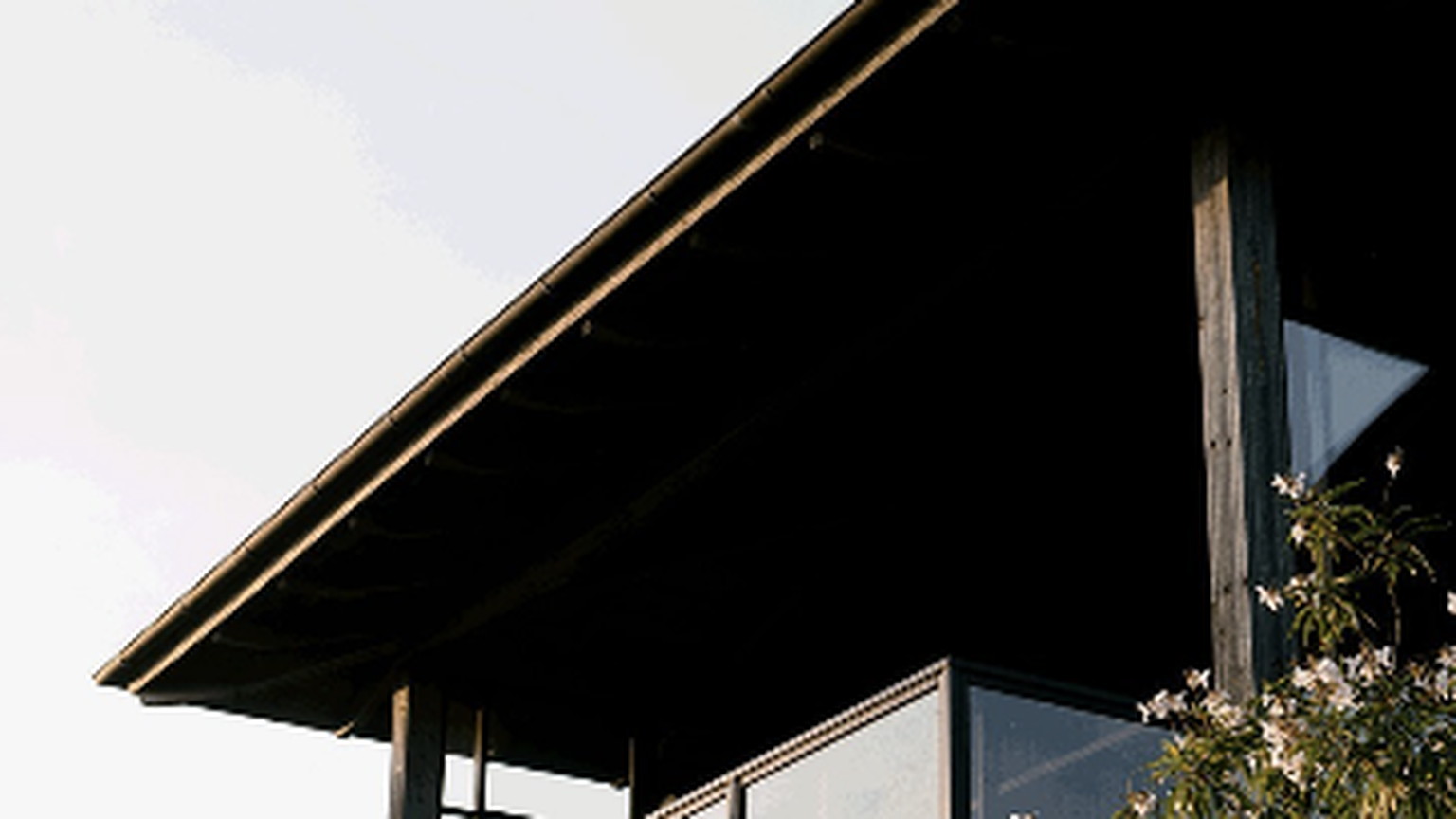
Mark Nelson and Dana Johnson founded Ovid in 2000. David Abreu planted the vineyard. Austin Peterson joined in 2006 and has led the winemaking since 2010. The Duncan family, through David Duncan of Silver Oak, has been a partner since 2017. The bottle in front of you is the flagship from that hill, vintage 2021, at $360.
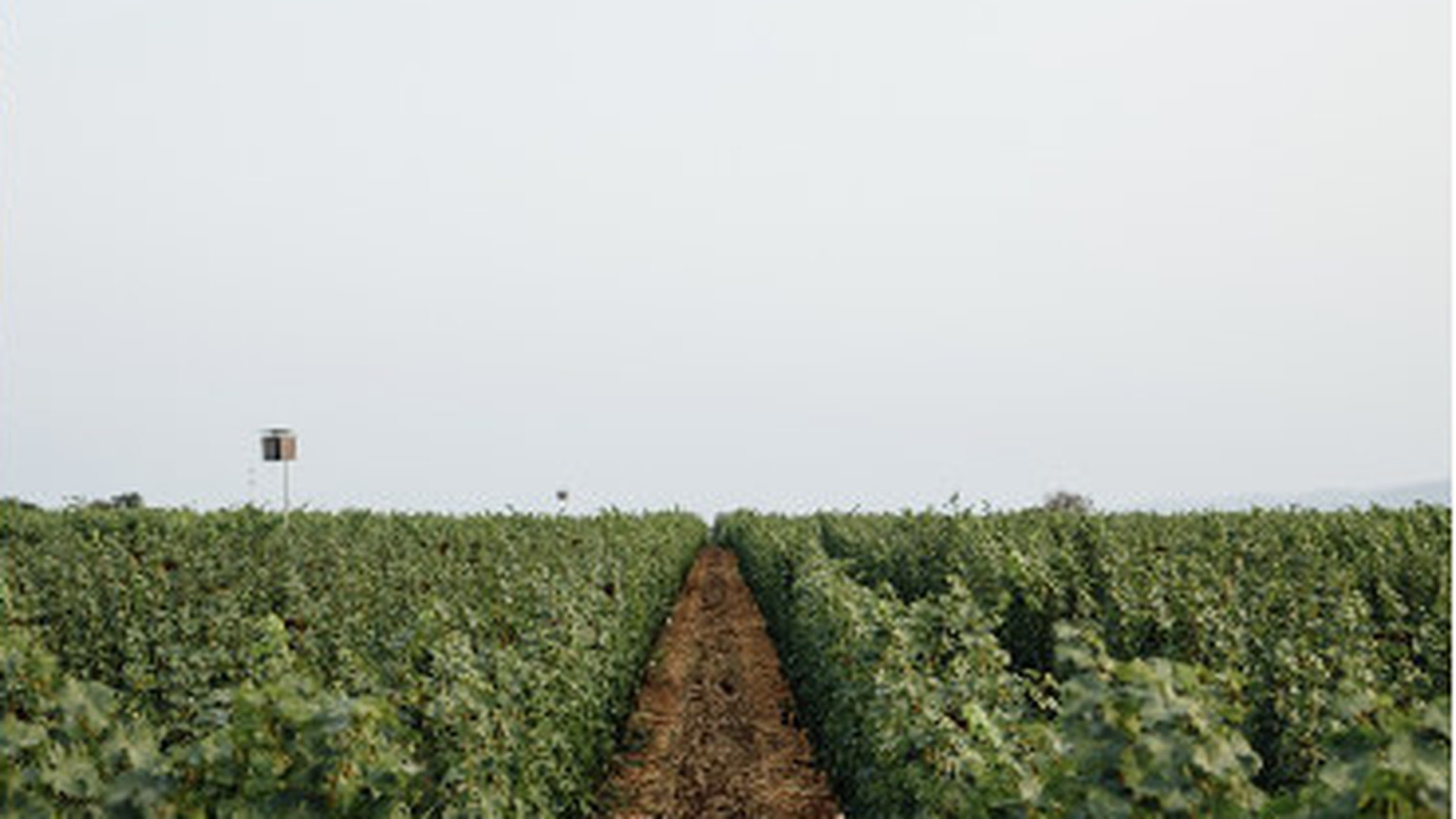
About fifteen acres sit on volcanic Hambright, in thin topsoil, at about 1,349 feet. The bay wind moves through at that height. The farming is organic. Cabernet Sauvignon is the voice of the property, and the line that ties it to the rest of Napa Valley. Cabernet Franc answers it. Small shares of Merlot and Petit Verdot soften an edge and stiffen the frame. The blend shifts a little every year, because the hill does.
Peterson does not carry a recipe from one vintage into the next. After harvest, and again after about six months in barrel, he tastes the lots for the themes that repeat: a flavor that keeps showing up, an idea worth following. The final blend is the meeting place of the vineyard, the year, and the shape he wants the flagship to hold. The winery's own line on this wine is that a great bottle cannot be a fixed idea. It has to register time, weather, and whatever the farming learned.
If Dunnuck and Decanter have both already marked this vintage a perfect 100, what are you still waiting to taste?
The hill
Pritchard Hill, at about 1,349 feet, with the bay wind moving through the canopy.
The ground
About fifteen organically farmed acres on volcanic Hambright, with thin topsoil.
The hand
Austin Peterson joined in 2006, has led since 2010, and rebuilds the blend each year.
The house
Mark Nelson and Dana Johnson founded Ovid in 2000. The Duncan family partnered in 2017.
A second drought year, picked block by block.
Cool late winter, a temperate summer, and a harvest that ran from September 17 to October 5.
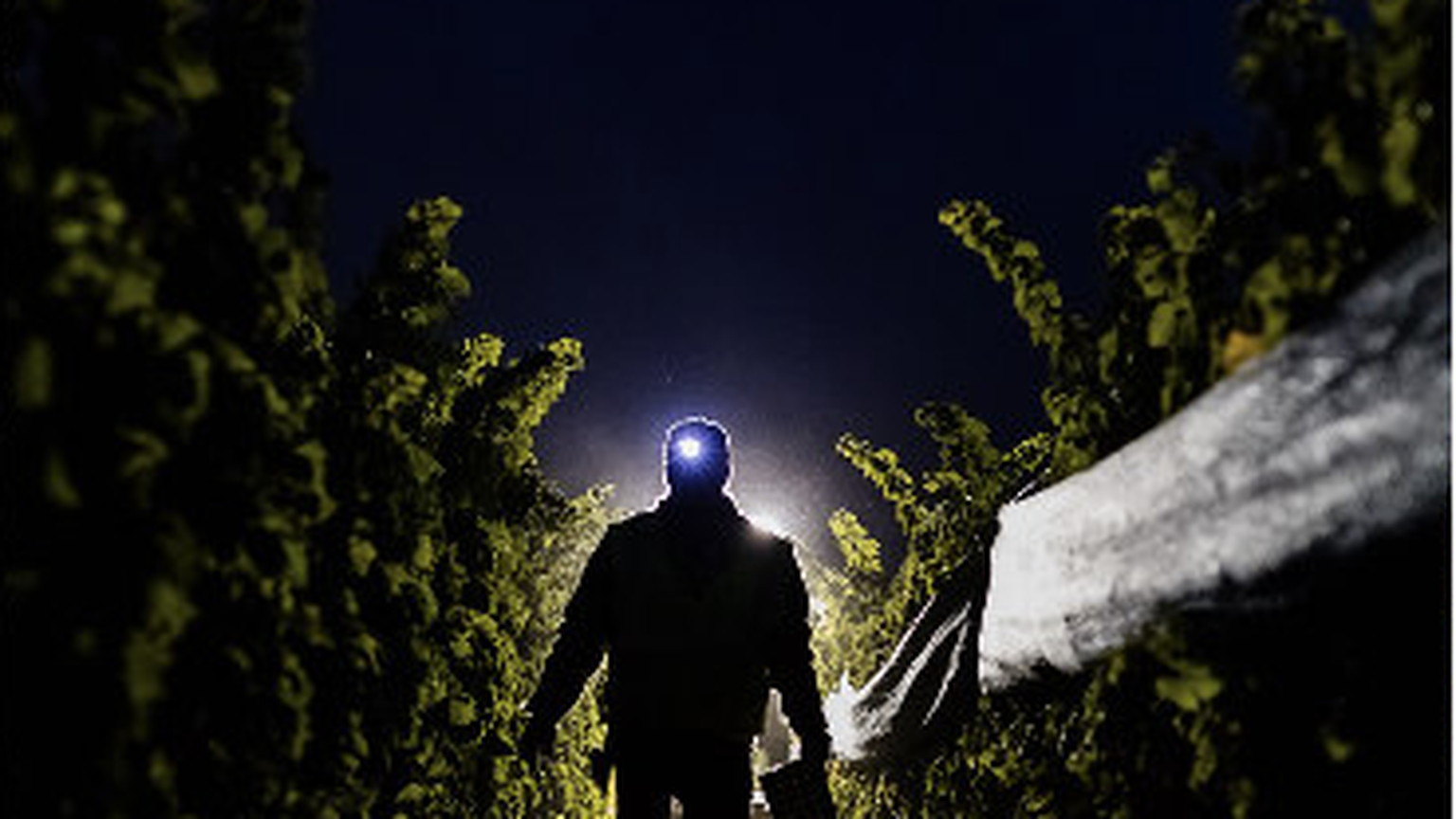
The winery's vintage card calls 2021 the second year of drought in the western United States, and Ovid was in it with everyone else. February and March were cool. Budbreak, which had been running early, came back to the historical mark, with buds opening in late March. Sunlight and a temperate summer then moved the fruit without cooking it.
Bloom warmed just enough to set clusters that were long and loose. That is the bunch shape the estate wanted. Summer passed without a heat spike they felt they had to write down. The fruit had time.
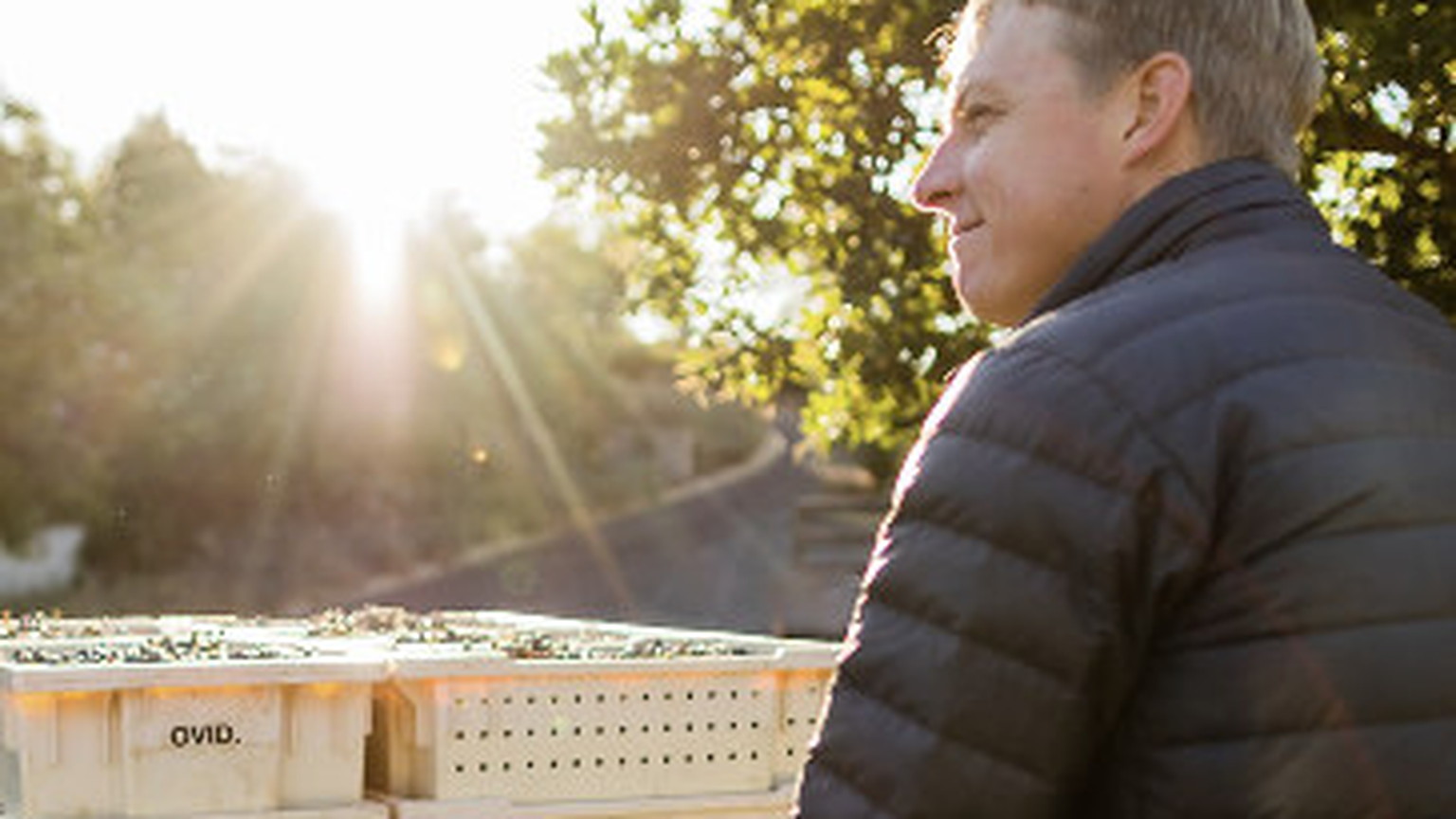
Harvest started a little early. The first pick was in mid-September. The card dates the vintage from September 17 to October 5. They walked the estate and took each block at the moment it was ready, and the last fruit came in at the end of the first week of October. On a hill this dry, that slow pass is the whole method. Water is scarce on purpose. Cabernet here is irrigated once or twice a season, and then left to find its own way in the rock.
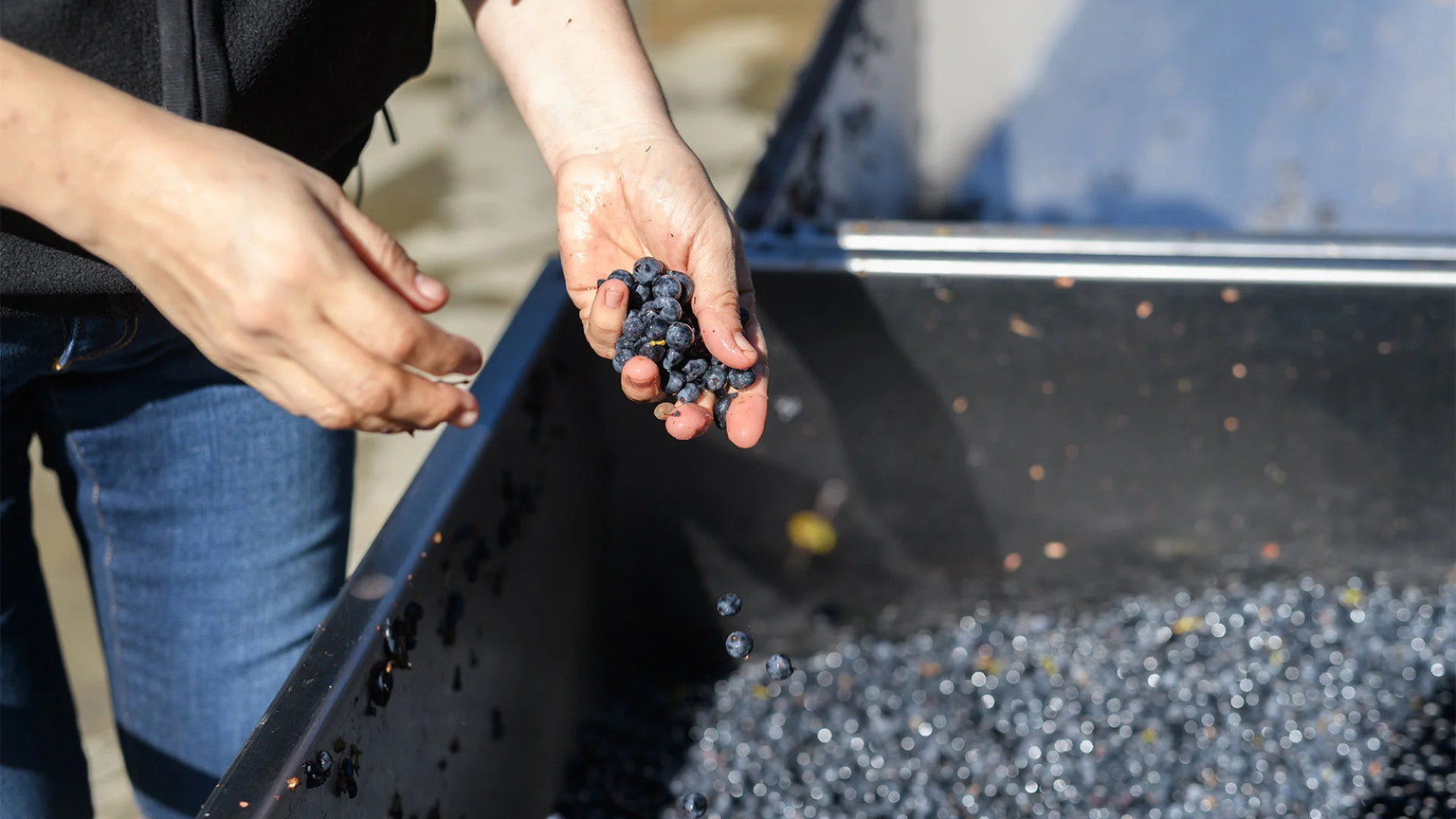
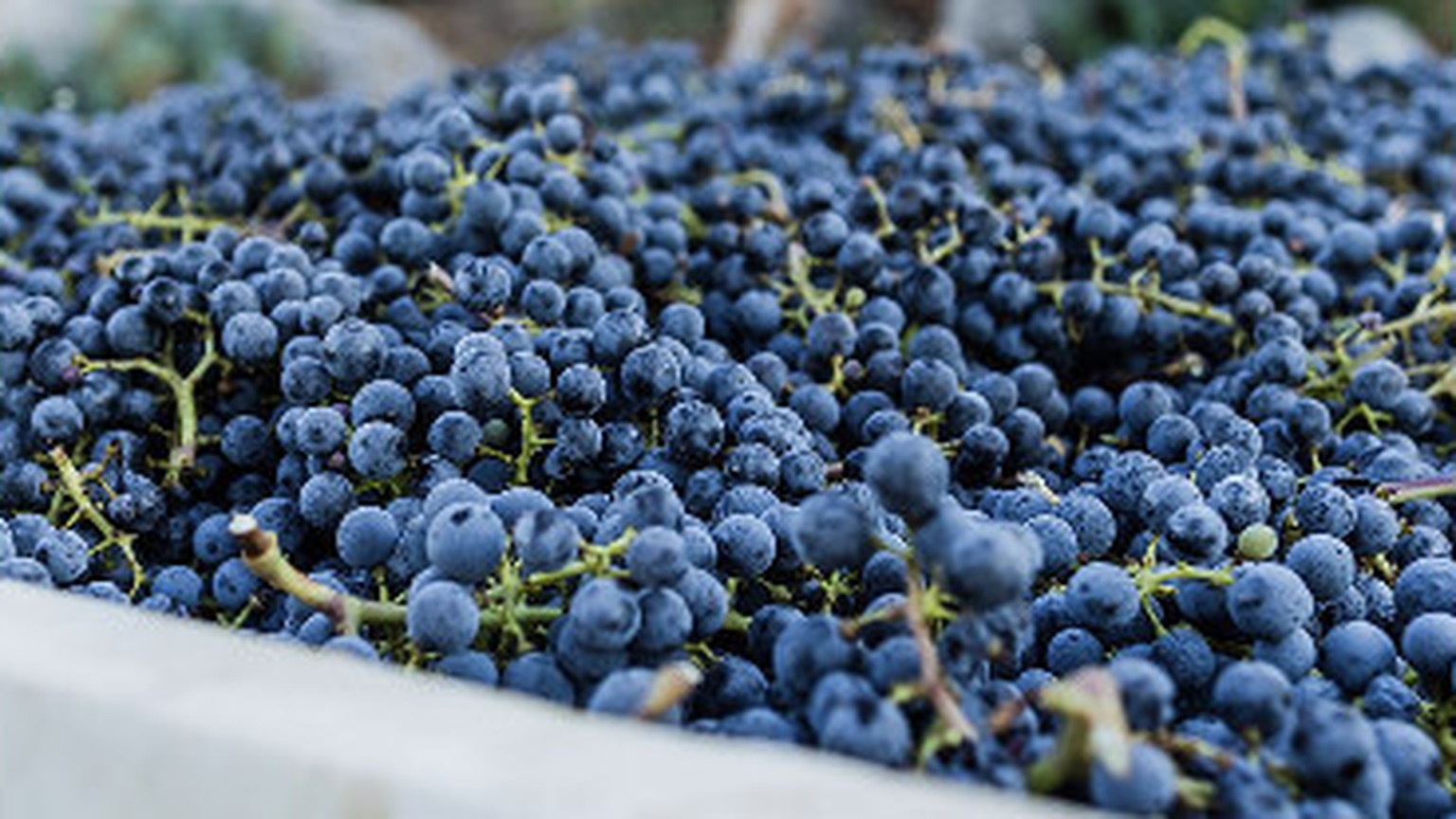
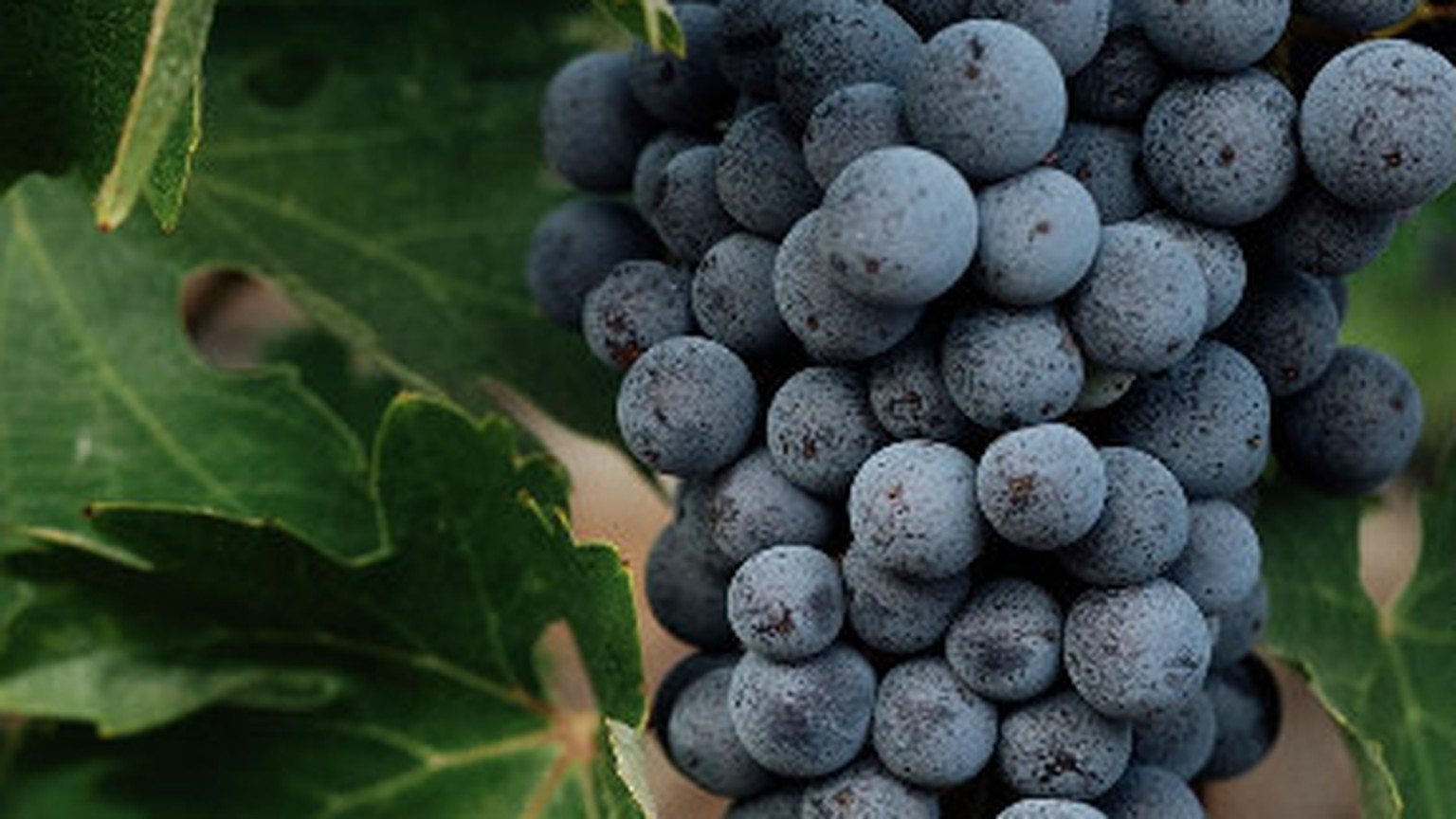
What came in is the glass the winery describes as talkative. Fresh mulberry, kola nut, blackberry, black cherry, flint, and bay laurel, and they single out the purity. Broad fruit, then a line of stone and bay that keeps the power from sitting down. They expect that story to keep going for decades. The critics who printed a window agree, and their dates are in the review section below.
100, 100, 99, 98, and 97.
Two perfect scores on the 2021, and three more from 97 up.
December 2023
Cristaldi, May 2024
The Wine Palate
January 2024
2021 vintage
Jeb Dunnuck scored the 2021 a 100 in December 2023. He tasted black and blue fruit, spring flowers, chocolate, burning embers, and bouquet garni. On the palate he found a full body, tannins that build, and a finish he treated as the point of the vintage. He wrote that it offers more generosity and opulence than just about every other wine in the year. His published window is 2027 to 2047, and he wanted four or five years of bottle age before the long run.
“More generosity and opulence than just about every other wine in the vintage.”
Jeb Dunnuck, 100 pointsJonathan Cristaldi scored it 100 for Decanter in May 2024. He published the blend as 80 percent Cabernet Sauvignon, 10 percent Cabernet Franc, 6 percent Merlot, and 4 percent Petit Verdot, aged 20 months in 66 percent new French oak. The tannins arrive ripe and chewy, then soften. Under them he tastes mulberry stained with mineral, and green tobacco. He calls the wine pedigreed, and he names balance, intensity, and complexity as the three things it actually has. His drinking window runs from 2024 to 2060. He also prints the pH at 3.78, the same figure as the winery card, and he notes an abundance of Clone 4 on four of 17 blocks inside a 6 hectare site, about fifteen acres.
Dunnuck's published split is one point different: 79 percent Cabernet Sauvignon, 10 percent Cabernet Franc, 7 percent Merlot, and 4 percent Petit Verdot. Same four grapes. Same cellar. The winery card itself does not print a percentage.
“A pedigreed wine characterised by balance, intensity, and complexity.”
Jonathan Cristaldi, Decanter, 100 points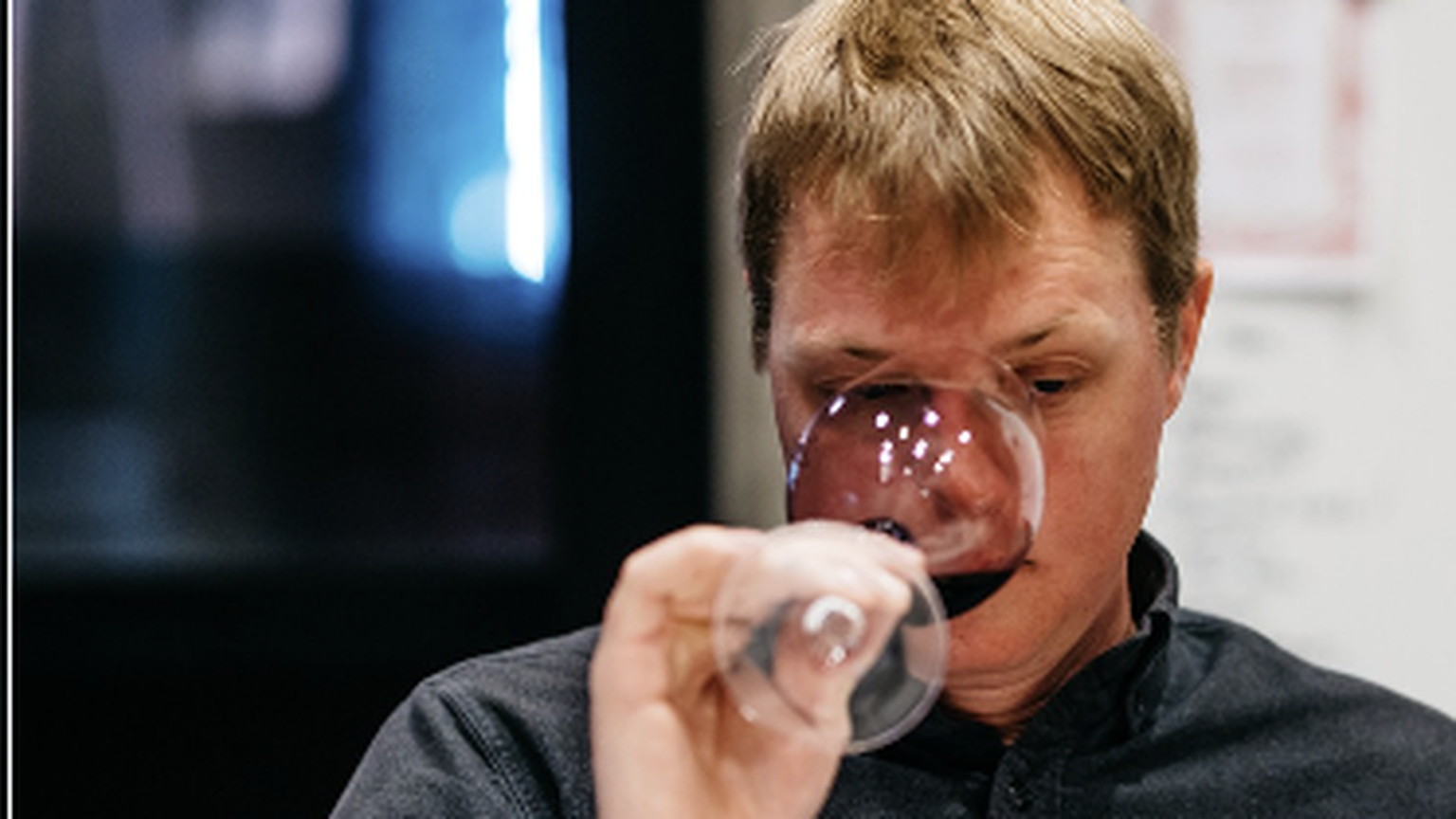
Lisa Perrotti-Brown scored the 2021 a 99 for The Wine Palate. She finds the color deep garnet-purple, and the wine shy until it is woken up. Then the palate stacks black fruit with savory, earthy notes, on firm ripe tannins and a freshness she treats as part of the structure. The finish is long and mineral. She calls this one of Ovid's finest vintages, and a keeper, with 25 or more years of cellaring in it.
James Suckling scored it 98 in January 2024. Roses, lavender, violets, and blackcurrant, with a sweet lift. Medium to full body. Tannins he calls very long and racy, running from the front of the palate to the back. His summary is that the wine is beautiful and graceful, and still structured. He wants four or five years, and he says the best of it comes after 2028.
Vinous scored the same vintage 97. That note opens on dark Cabernet fruit, then leather, lavender, spice, tobacco, and incense. The tannins are described as notably fine for a young mountain wine.
Five published scores, from 97 to 100, on the bottle at $360.
Mulberry, kola nut, flint, and bay laurel.
The winery card is the cleanest map. The critics fill in the flowers, the tobacco, and the tannin.
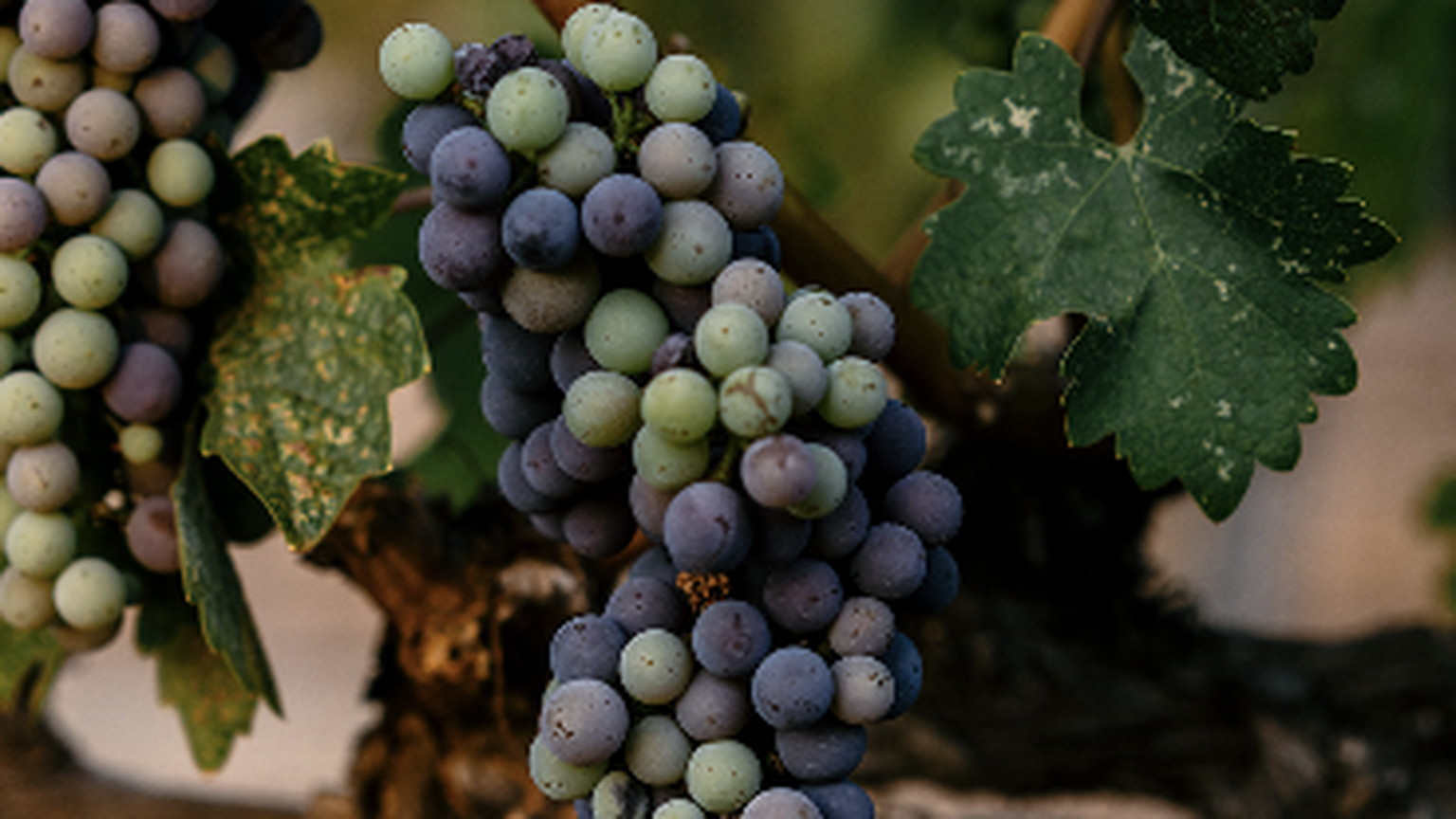
Start with the card, because it is the estate speaking about its own glass. Fresh mulberry and kola nut, then blackberry and black cherry, then flint and bay laurel. The fruit is the broad part. The stone and the bay leaf are the line that keeps the wine from turning soft. They call the purity striking, and they say the wine is wide enough to wrap the palate and still stay in one piece.
Cristaldi tastes that mulberry with mineral through it, and green tobacco with the fruit. The tannin chews on entry and then lets go. Dunnuck's glass is louder and wider: black and blue fruit, flowers, chocolate, embers, herbs, and a finish he does not try to talk past. Suckling stays with the flowers, roses and lavender and violet, then blackcurrant and a tannin that feels racy rather than heavy. Perrotti-Brown wants you to wake the wine up. Once you do, she tastes layer on layer of black fruit and savory earth, and a mineral finish she treats as the last act.
Drink a glass now if you want the fruit loud. The people who printed a window put the longer life in front of it. Dunnuck runs 2027 to 2047. Cristaldi runs through 2060. Suckling says the best arrives after 2028. Perrotti-Brown sees at least 25 years. While it is young, decant it. She found it shy until it was shaken awake.
Fresh mulberry, kola nut, blackberry, and black cherry. Suckling also finds roses, lavender, and violet.
Full, with ripe chewy tannins that soften. Cabernet fruit, flint, and a savory line of bay and tobacco.
Mineral, and long. The published windows run from the late 2020s out past two decades.
Four grapes, twenty months, and no blend carried over.
Peterson tastes the year, then decides. The oak, the pH, and the alcohol are on the card and in the Decanter note.
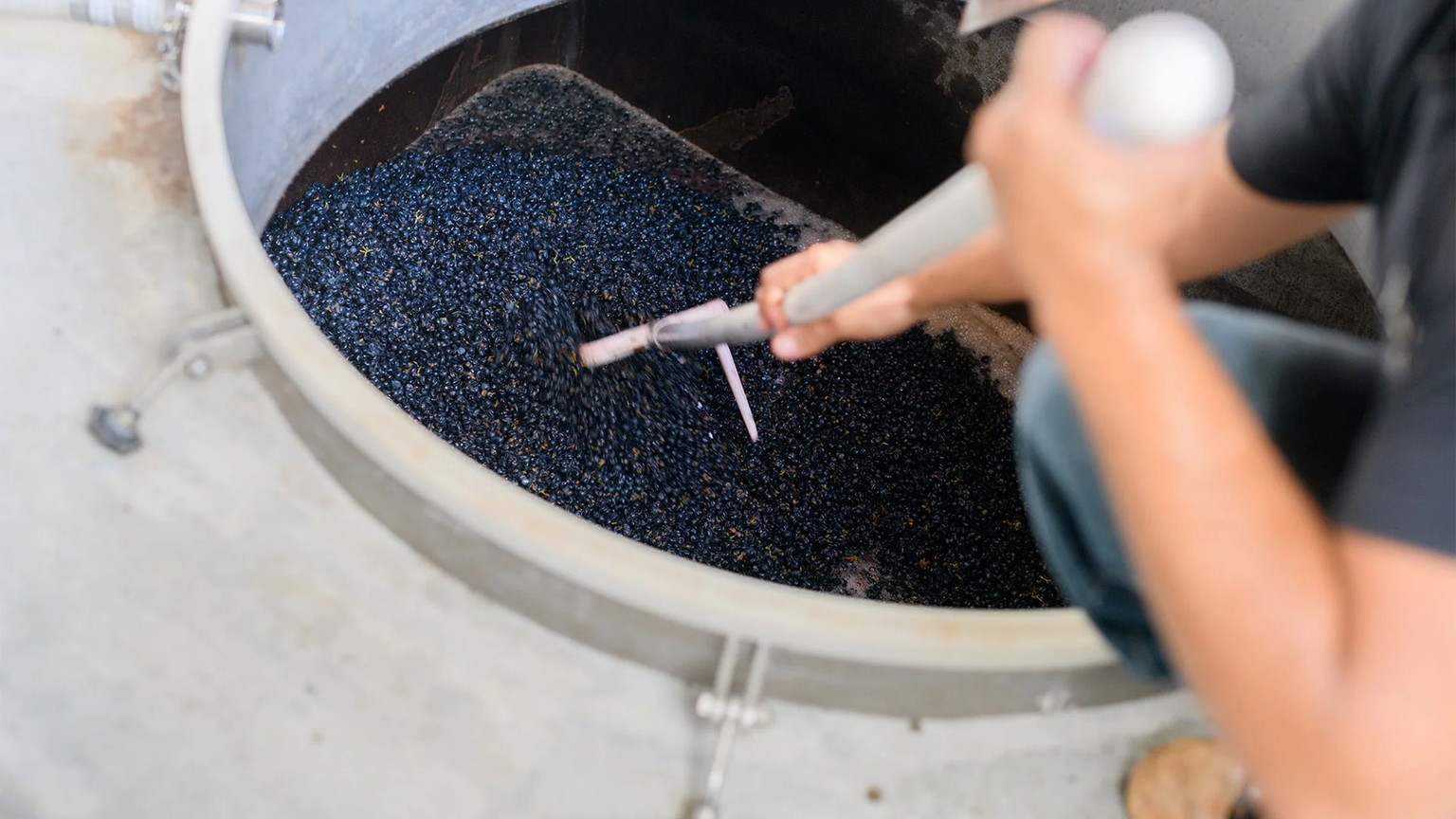
Cristaldi writes that Peterson would rather not plan the blend in advance. He tastes the vintage with a clean slate, and he will add Cabernet Sauvignon when the wine needs it to carry a Napa Valley varietal name. Cristaldi's published blend for the 2021 is 80 percent Cabernet Sauvignon, 10 percent Cabernet Franc, 6 percent Merlot, and 4 percent Petit Verdot. Dunnuck recorded 79 percent Cabernet Sauvignon, 10 percent Cabernet Franc, 7 percent Merlot, and 4 percent Petit Verdot.
Aging on the winery card is 20 months. Cristaldi adds that 66 percent of the oak was new and French. Alcohol on the card is 14.8 percent. The pH is 3.78, which is the number he uses when he talks about freshness under the weight. That is a ripe Napa red that still has a spine. The tannin can be firm. The pH is why it does not go dull.
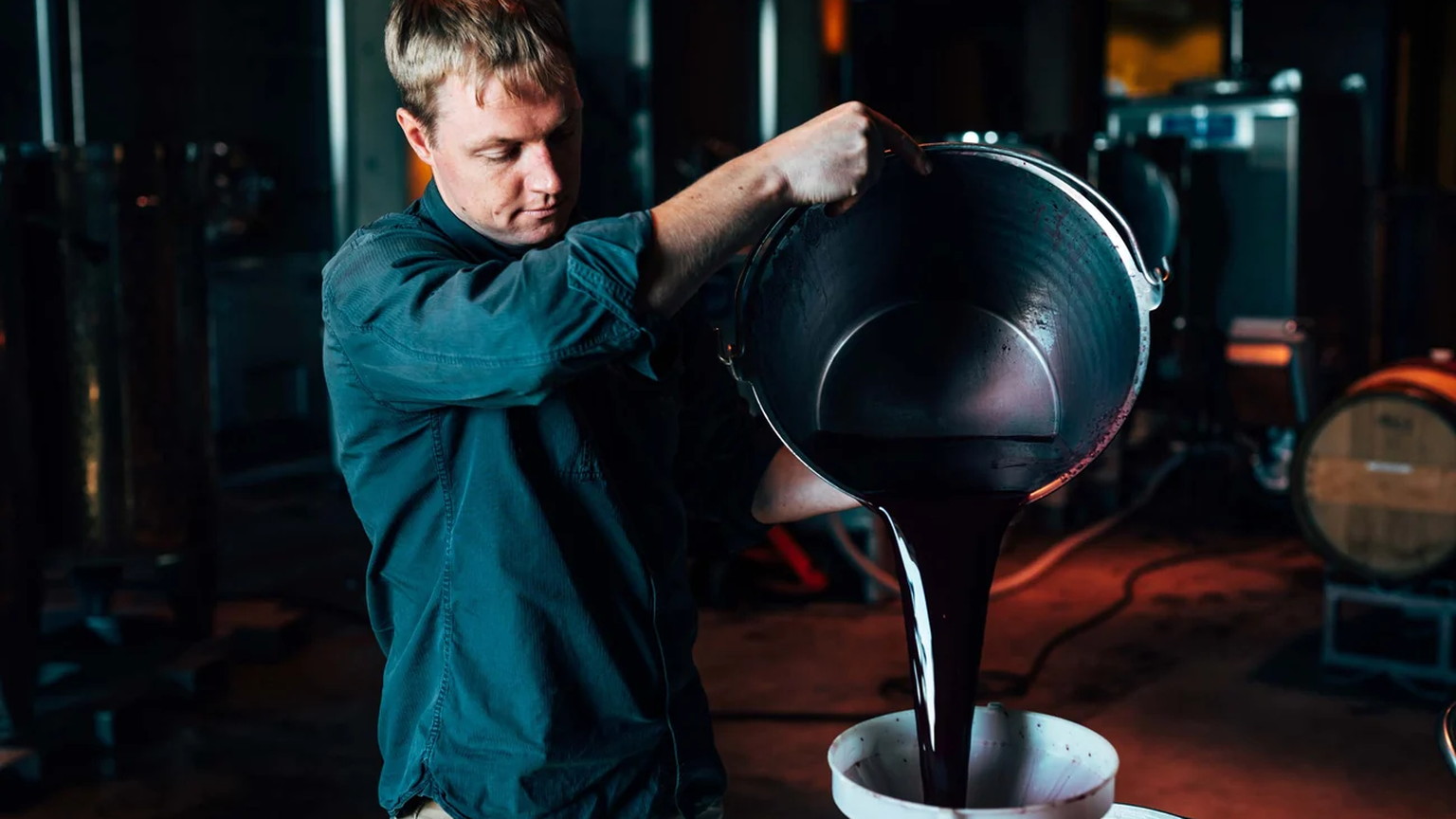
The estate farms, ferments, and bottles on the property. A separate neighbor series, marked with an N, is how Ovid looks at other sites through this same cellar. That series is a different wine. This bottle is the flagship, built from the hill under the winery.
Cabernet, in the estate's telling, is the grape that will behave. It grows in the rock and in the thin topsoil, and it will also grow too well in the deeper pockets if you let it. They keep water tight on purpose, once or twice a season, so the vine has to make choices. The original blocks sit on ground with less than a five percent slope. Newer Cabernet is going onto hillsides that climb toward a twenty percent grade, with northeast and western aspects. The thinnest soils are on the crowns. What loam there is sits on the slopes. They are planting where the vine has already said it wants to live.
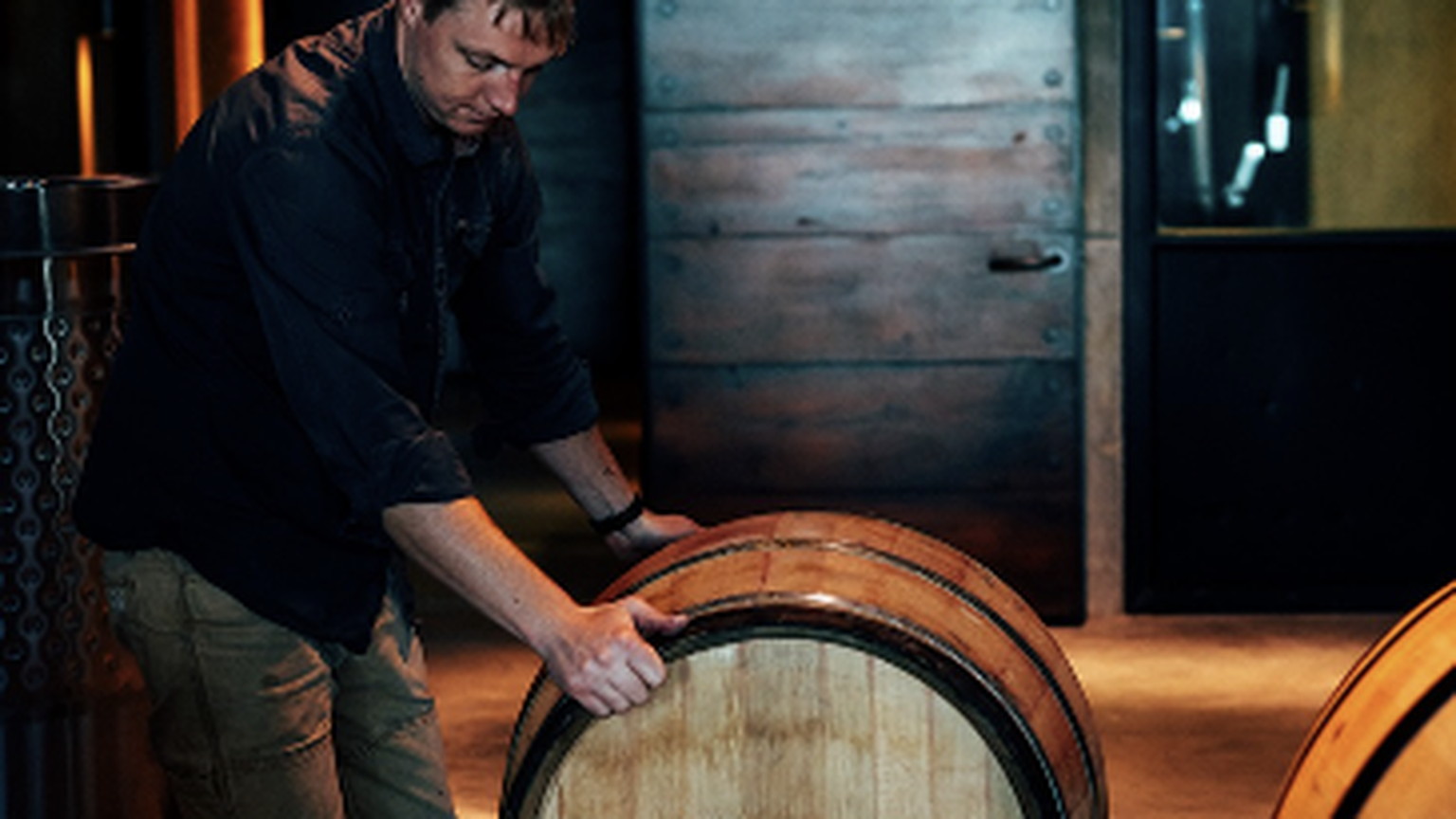
Named for a poet who wrote about change.
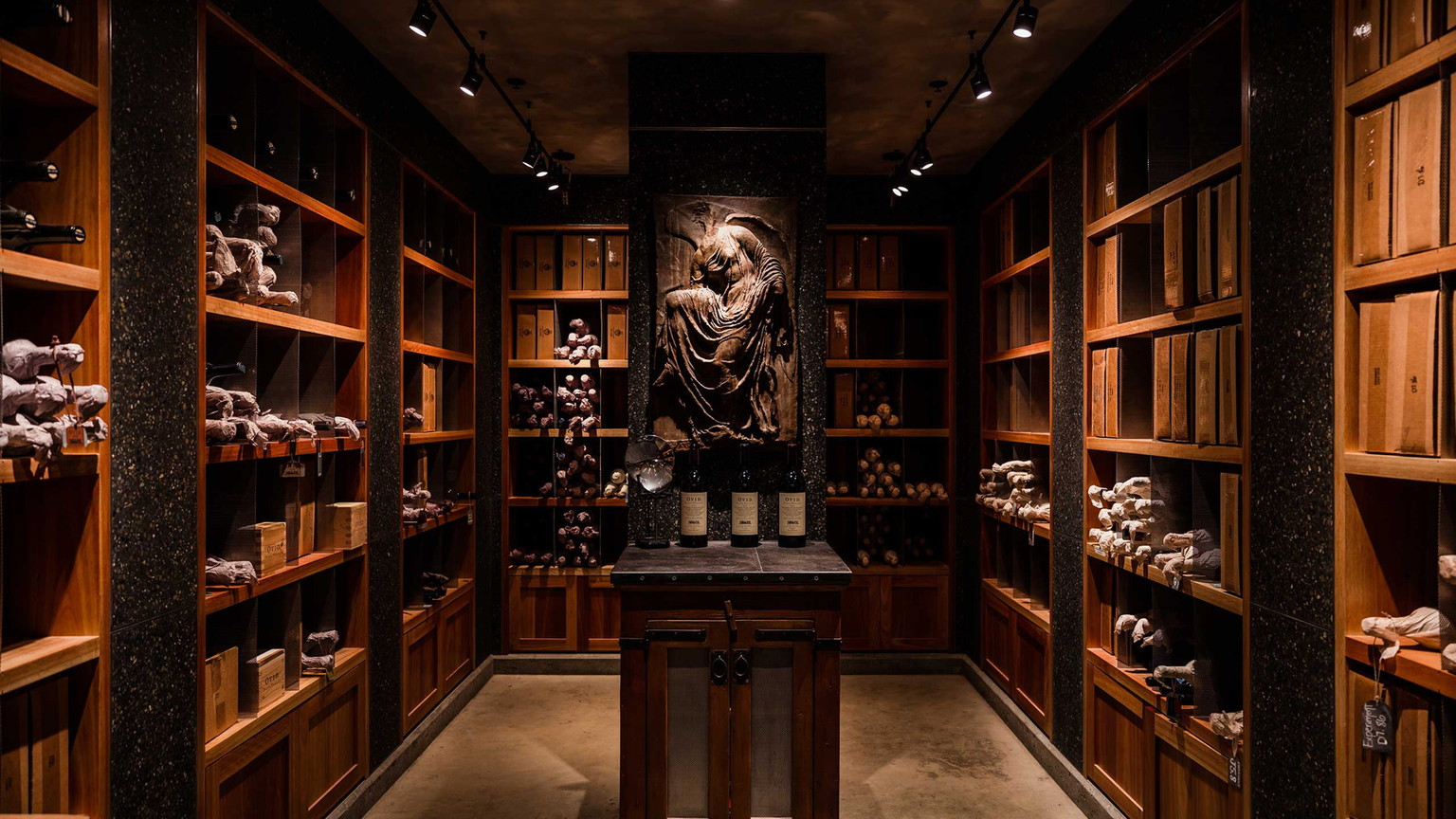
The cellar keeps Ovid on a chalkboard because the work, to them, is metamorphosis. The bottle you are buying is still the 2021.
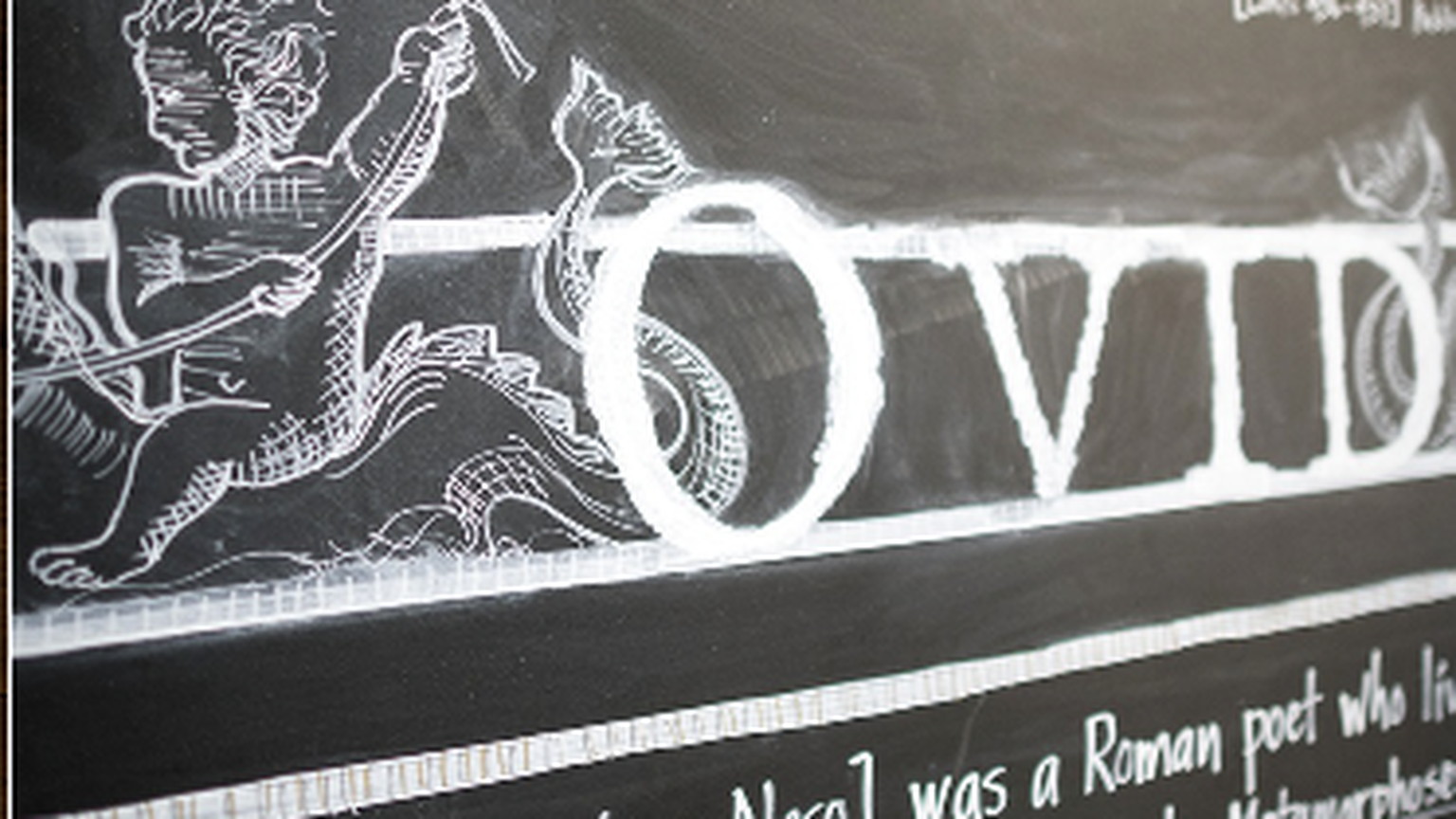
The name is Publius Ovidius Naso. His Metamorphoses is the book the winery points at when it talks about transformation, including the transformation from grape to wine, and from one vintage of this flagship to the next. The chalkboard in the cellar says it in plain language: since winemaking is about change, getting set in a method is how you lose the point. Peterson has made both the perfect-scoring 2013 and this 2021. Decanter's own note on the estate treats those two bottles as siblings from the same hill, eight vintages apart, not as copies.
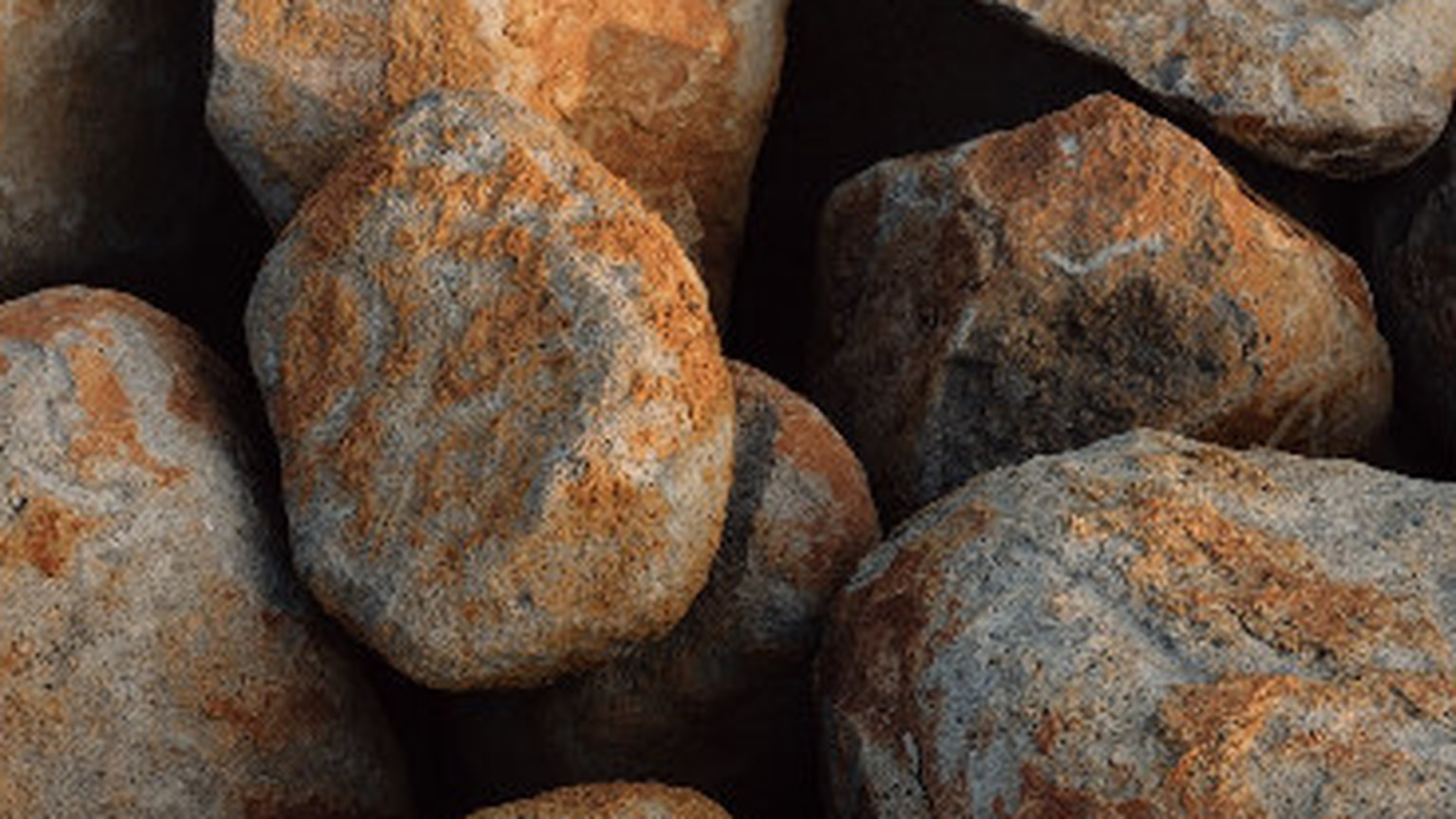
Abreu planted the site. Nelson and Johnson founded the house in 2000. Peterson has had the cellar since 2010. The Duncan family has been in the partnership since 2017. The ground under all of that is Hambright, volcanic, with little topsoil. That is the Pritchard Hill fact you taste as flint, and as tannin that can stay fine when the year allows it.
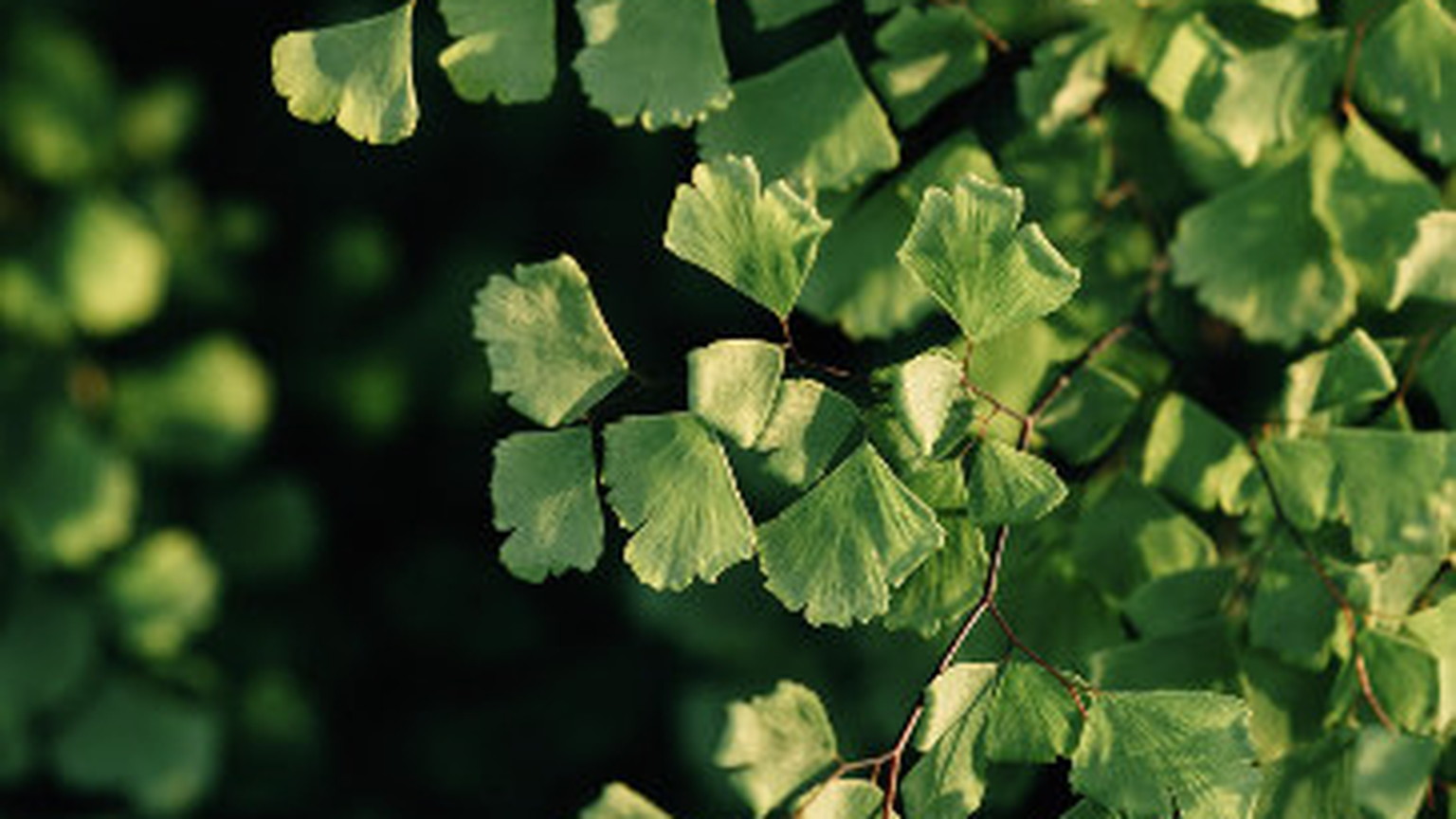
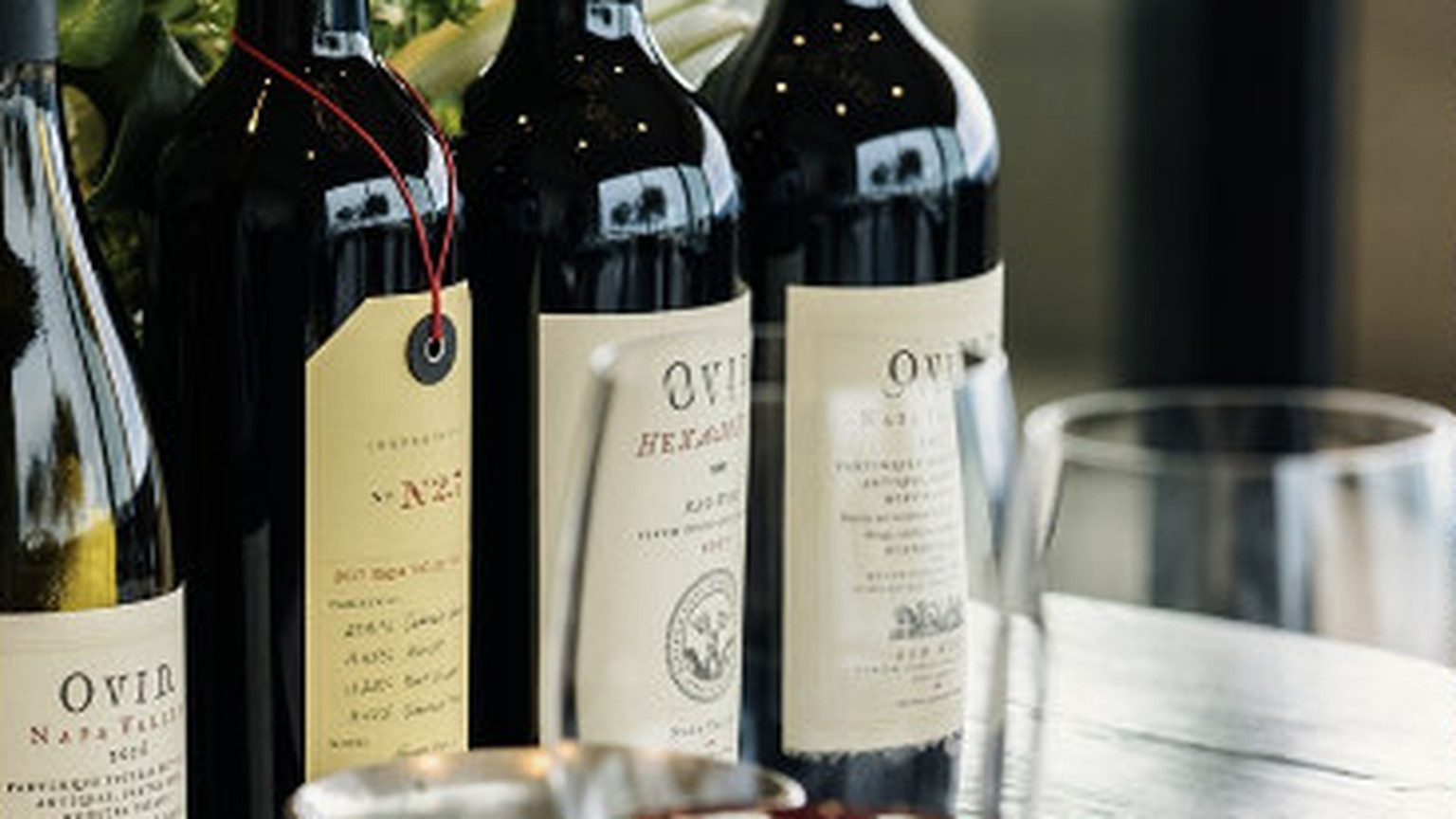
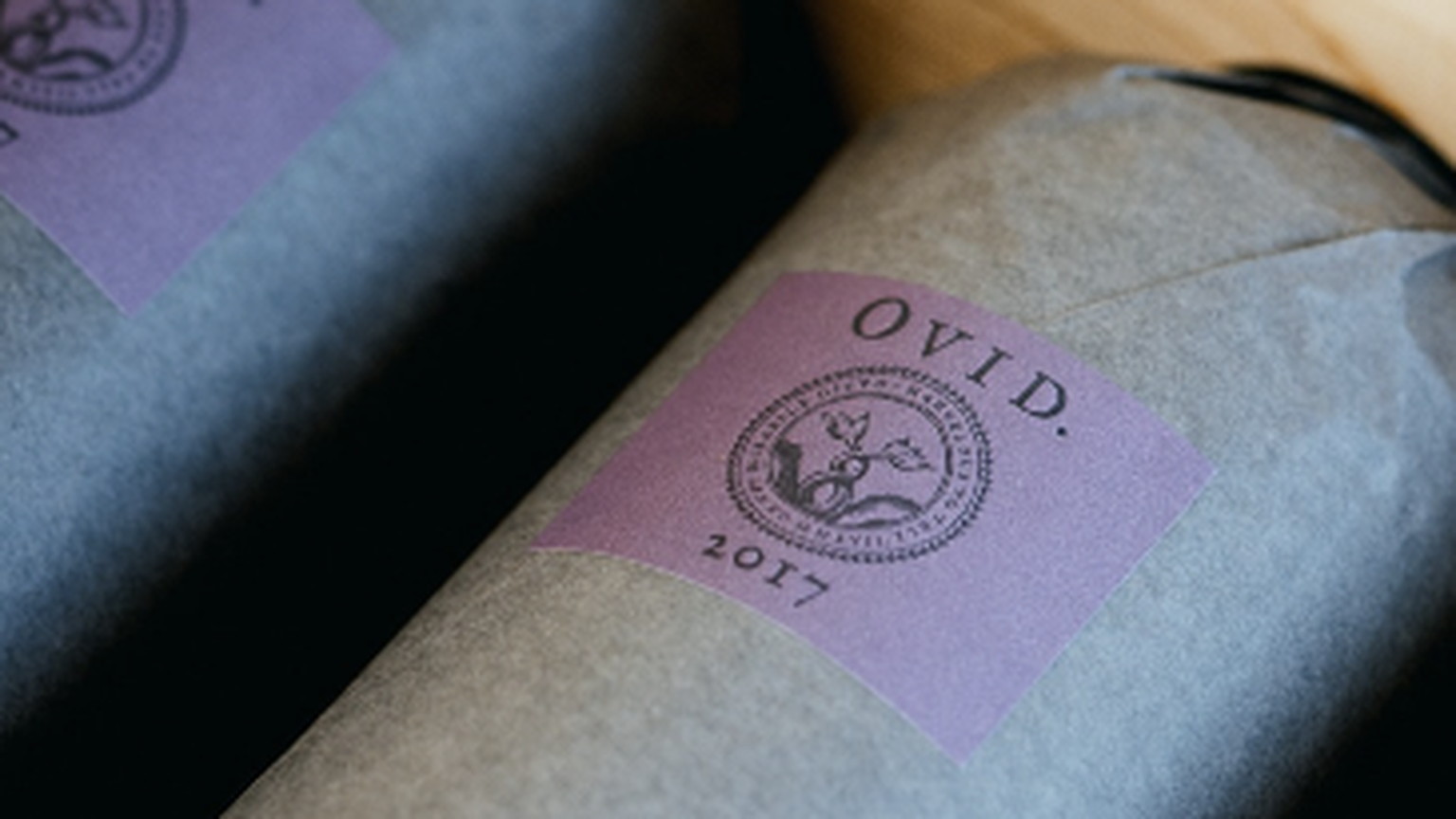
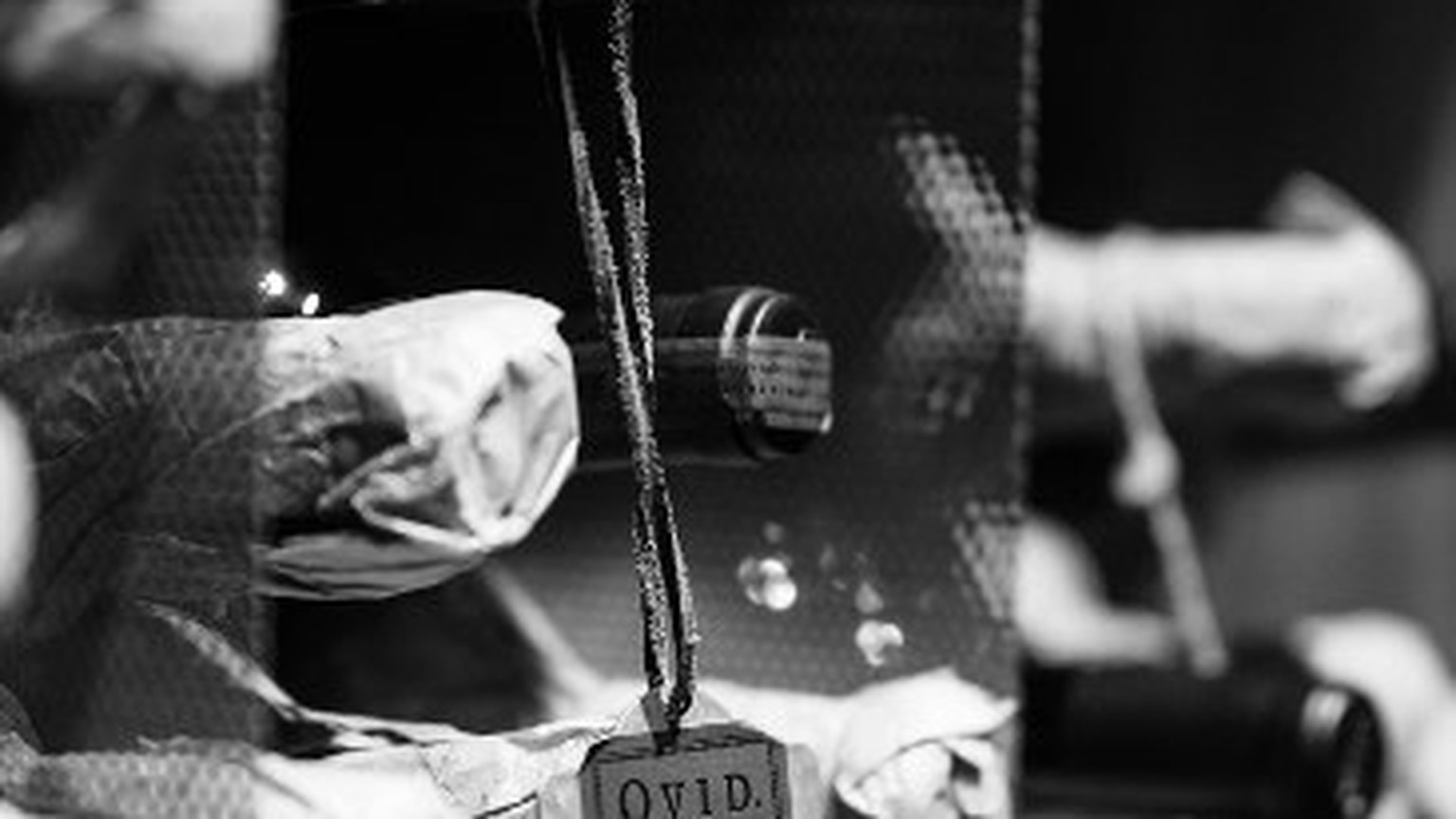
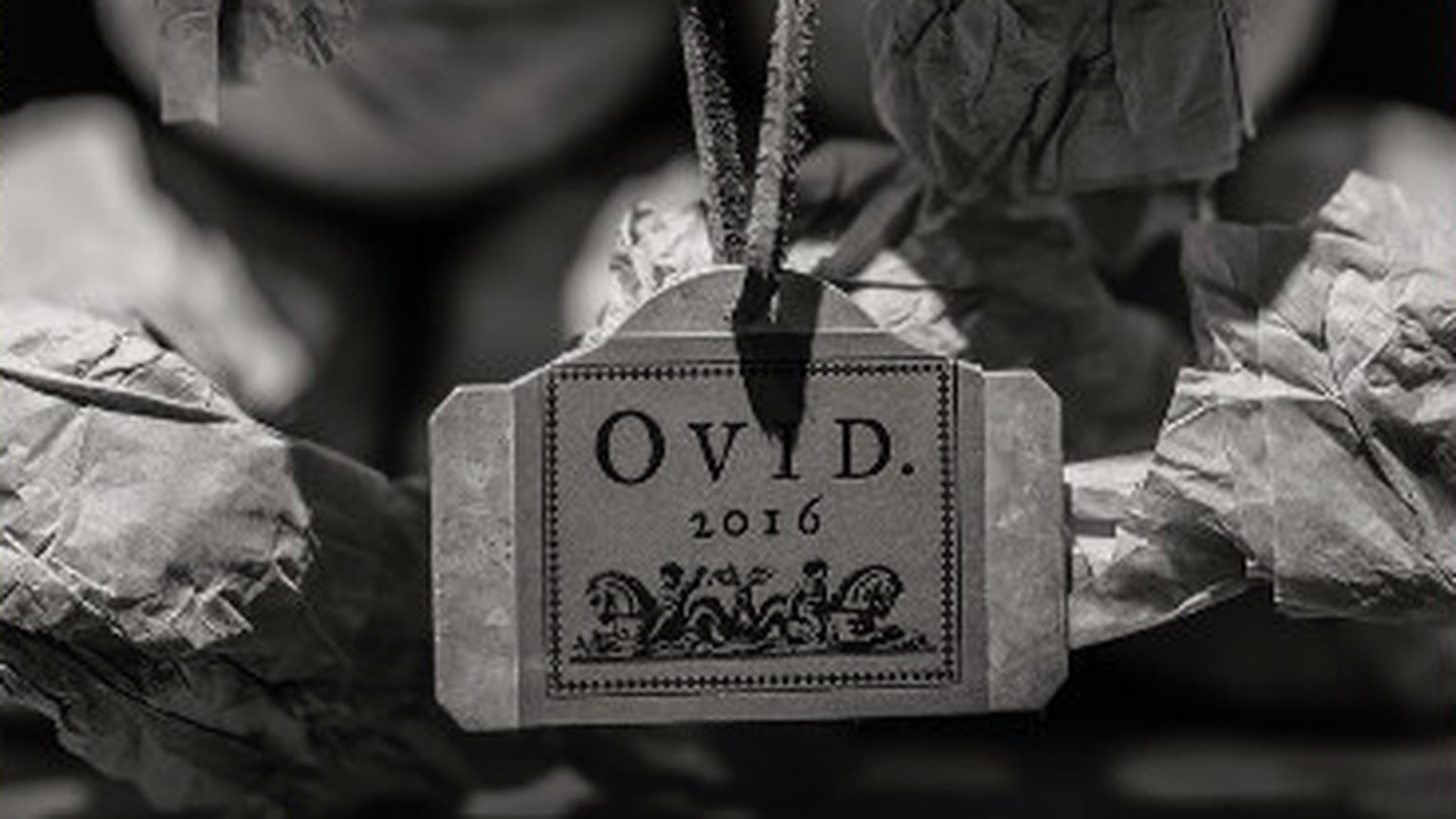
The photographs below are the house dress on earlier vintages. The tissue, the label, and the library tag show how Ovid prints its bottles. They are not the 2021. The 2021 is the bottle at the top of this page. Read the years on these frames as years.
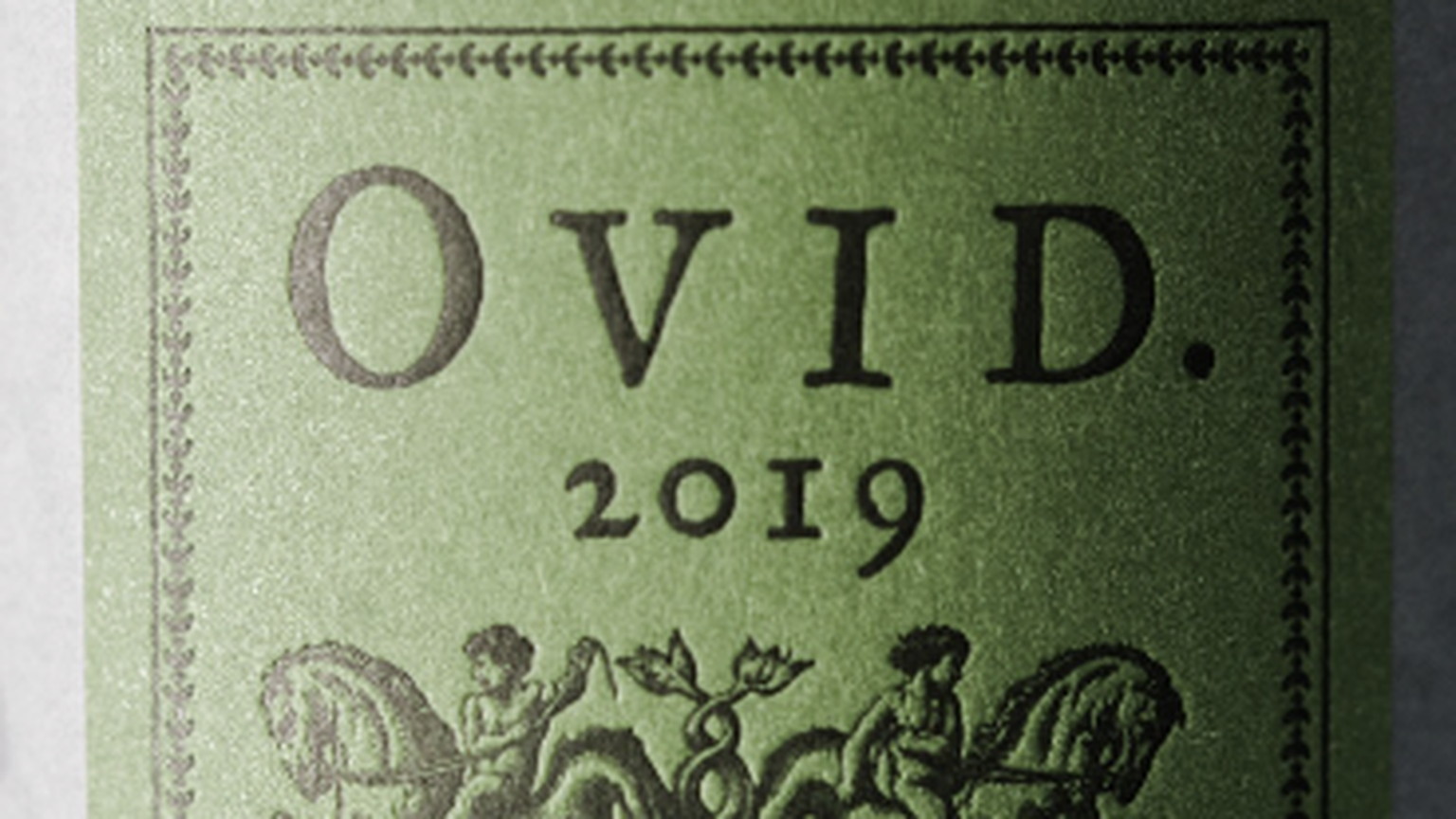
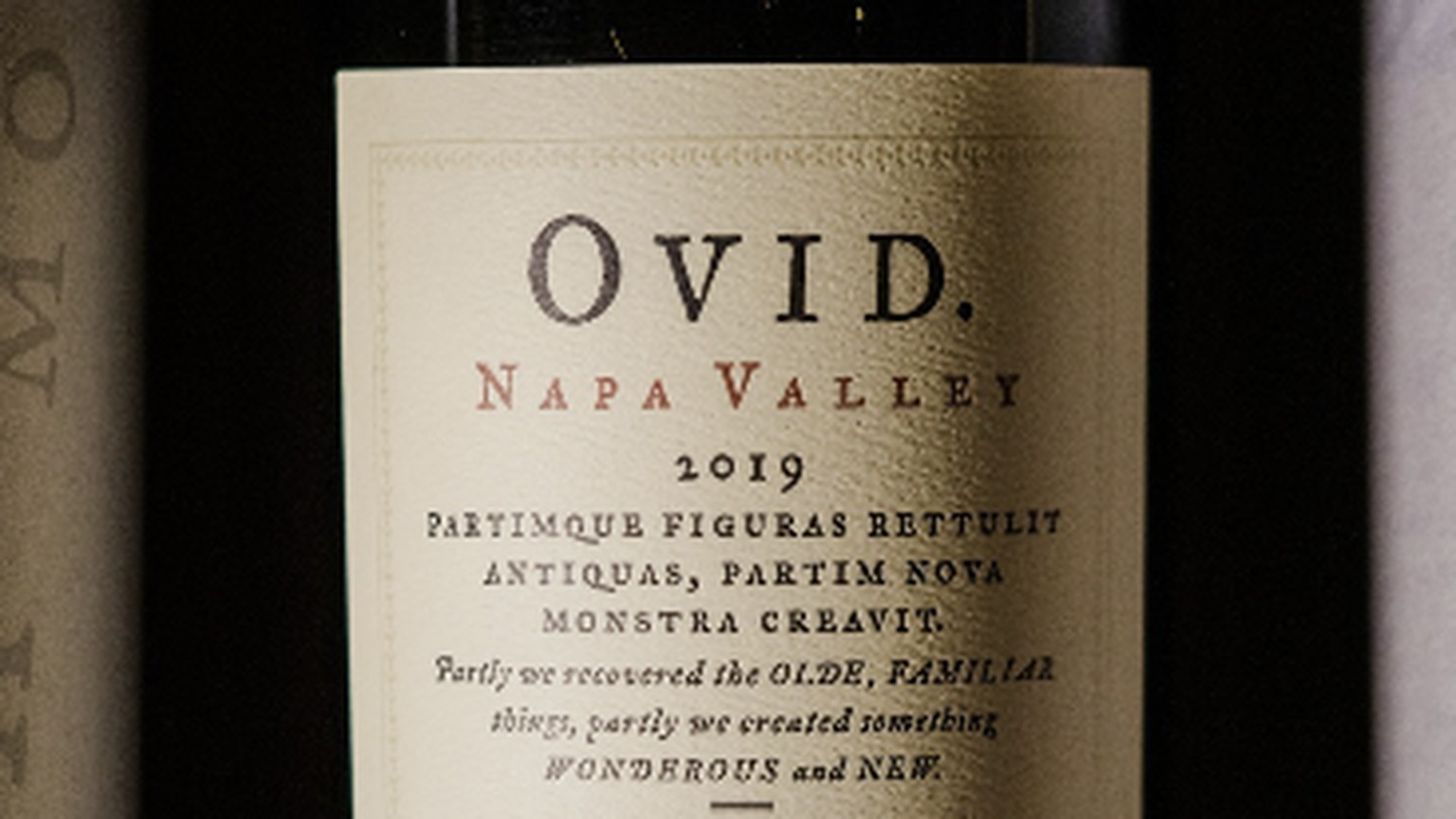
The label carries a line from the poet, in the estate's English: partly the old familiar things, partly something wondrous and new. That is also the practical rule for this flagship. The hill stays. The blend does not sit still. The 2021 is one chapter, with two perfect scores on it, and the glass the card describes.
Reverse-sear a ribeye, and add creamed spinach.
Thick ribeye gives the mulberry and black cherry something to meet. Creamed spinach sits with the bay laurel. The flint wants the sear, not a sweet glaze.
Two plates. A reverse-seared ribeye, and creamed spinach beside it. Decant the 2021 while the steak rests.
Perrotti-Brown found the 2021 shy until it woke up. Give it a decant. Then let the flint and the bay laurel open in the glass. It is ready to drink, and the published windows say the longer life is still ahead.
Reverse-seared steak
J. Kenji Lopez-Alt starts a thick steak, ribeye included, in a low oven and sears it only at the end.
Why it works: The crust and the juicy center meet mulberry, black cherry, and flint.
View Recipe for Reverse-seared steak (opens in a new tab)Creamed spinach
The Food Lab wilts a large pile of spinach with shallot and garlic, then finishes it in a slow cream sauce.
Why it works: Bay laurel wants a green, savory side, and the cream is rich enough for this red.
View Recipe for Creamed spinach (opens in a new tab)Take the 2021 home.
Two perfect scores, a 99 beside them, and the bottle at $360.
Dunnuck's window runs to 2047. Cristaldi's runs to 2060. Perrotti-Brown sees at least 25 years. In the glass: mulberry, black cherry, flint, and bay laurel, from Peterson's cellar on Pritchard Hill. Twelve bottles ship free in the lower 48. Hawaii and Alaska are quoted on their own.
Related Products
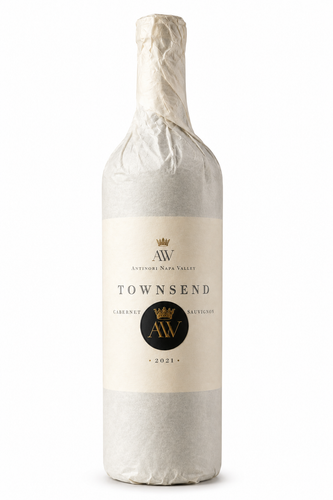
2021 Antinori Napa Valley 'Townsend' Cabernet Sauvignon Napa Valley, USA
Recently Viewed
