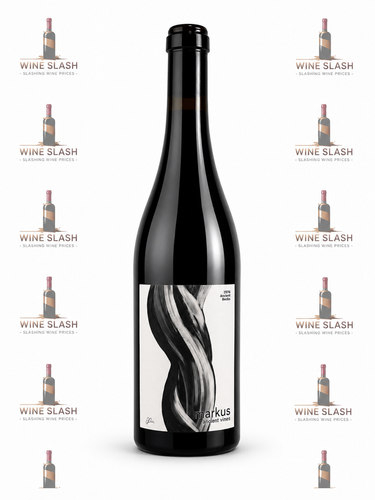
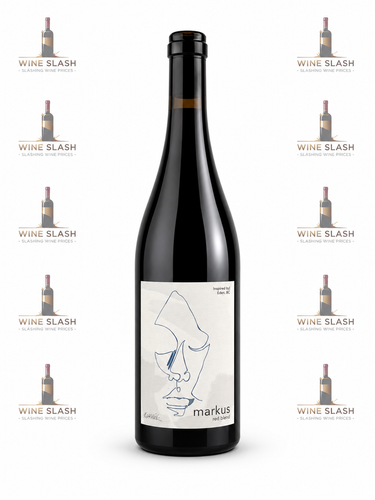
Markus Wine Co. spotlight
James Suckling's Jim Gordon is on camera with Markus Niggli in Lodi, the winemaker who turned Blue from a Zin-led red into this Petit Verdot-led 2022.


The market on this bottle
Wine-Searcher tracks this 2022 Markus Wine Co. 'Blue' Red Blend Lodi across the open market. Their published U.S. low is $15.85 and the average is $15.85. Our slash is $16.00.
2022 Markus Wine Co. 'Blue' Red Blend Lodi, USA
Markus Niggli's Petit Verdot-led Blue, raspberry and rose petal, a 2022 you can open at twenty-seven dollars.
The 2022 Blue is 70 percent Petit Verdot with Cabernet Sauvignon and Malbec: raspberry sorbet, rose petal, tart plum, sour cherry, now $25.
A fresh turn for Blue: perfume and architecture, not old-school brawn
Earlier Blue leaned into Zinfandel power. This 2022 turns toward Petit Verdot, Cabernet Sauvignon, and Malbec. Raspberry and rose first, then a tannin line that makes the second glass feel inevitable. Familiar enough to pour for anyone. Not generic.
The house
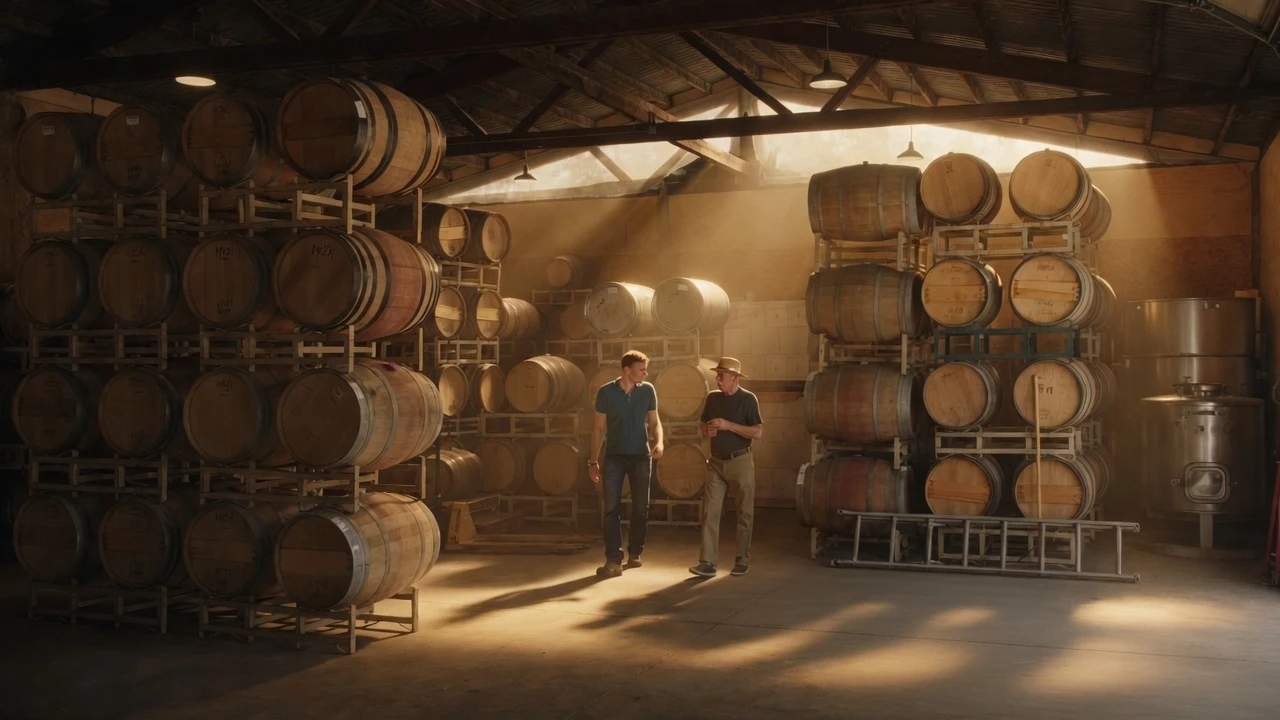
Niggli has a way of making Lodi feel less predictable. Blue is the friendly bottle with a sharper architecture.
The wine
70% Petit Verdot, 20% Cabernet Sauvignon, 10% Malbec. Brighter, more aromatic than earlier Zin-driven Blue.
The sites
Petit Verdot from Spenker Ranch Block 8A. Cabernet and Malbec from Borra's Gill Creek Ranch.
The drinker
Serve 58 to 62 F. Coffee-rubbed flank steak or mushroom fontina flatbread.
Raspberry sorbet, then the Petit Verdot grip
Think raspberry and sour cherry first, then tart plum, rose petal, a flicker of spice, and a tannin line that reminds you Petit Verdot is doing the heavy lifting.
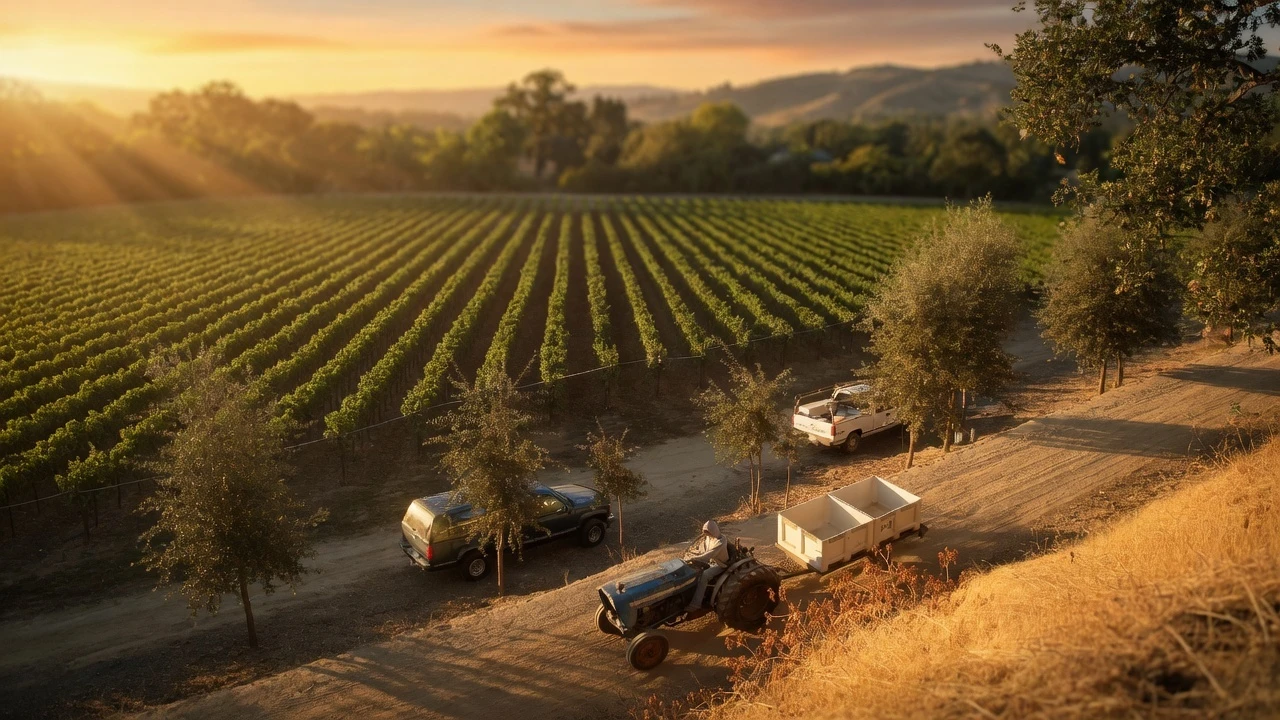
The blend is the vintage story: Petit Verdot for perfume and grip, Cabernet for shape, Malbec to soften the corners.
Raspberry sorbet, rose petal, tart plum, sour cherry, spice.
Medium-plus, firm but polished tannin, Petit Verdot-led.
Lifted, aromatic, a quiet grip. Serve 58 to 62 F.
Petit Verdot leads, Cabernet shapes, Malbec softens
The 2022 blend is 70 percent Petit Verdot from Spenker Ranch Block 8A, with 20 percent Cabernet Sauvignon and 10 percent Malbec from Gill Creek Ranch. That puts Blue in a more structured, aromatic lane than the earlier Zin-led versions. Niggli still wants freshness. The architecture is just darker.
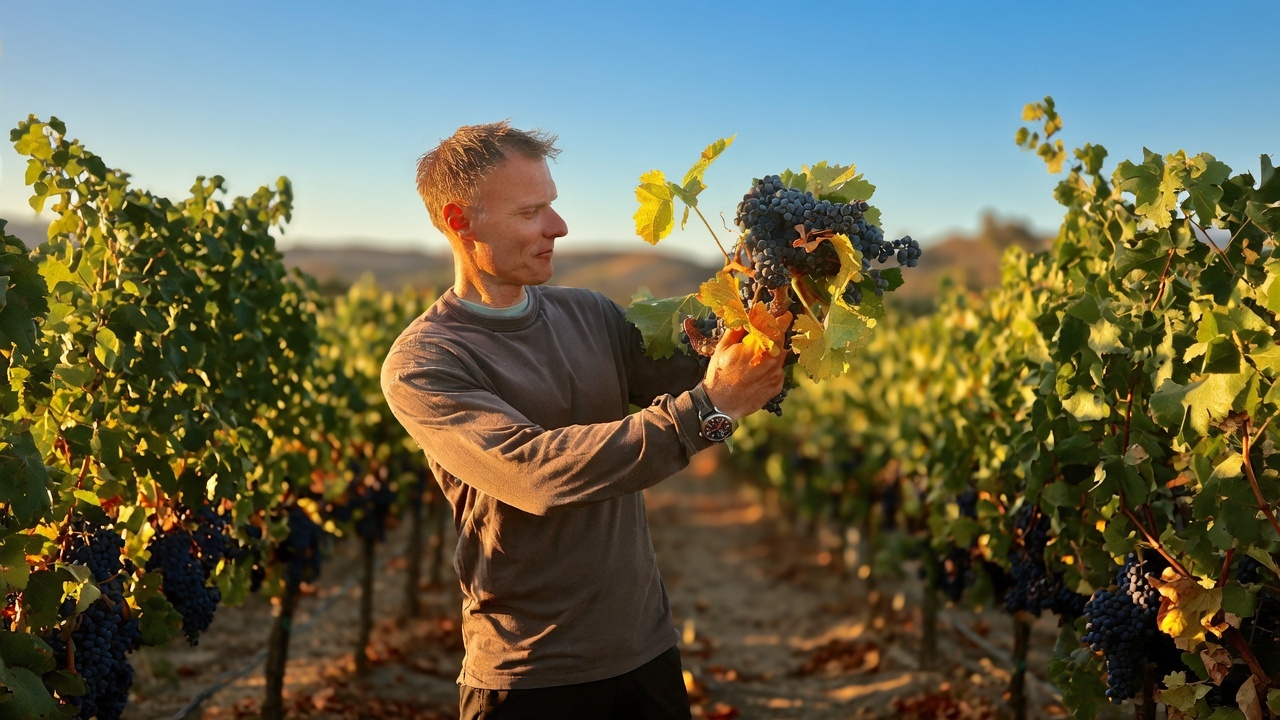
Petit Verdot gives perfume and grip. Cabernet gives the line. Malbec keeps the corners from going hard.
Serve 58 to 62 F. Air helps the rose petal. Steak or mushroom flatbread both work.
Blue has changed, and that is part of the charm
Markus Wine Co. grew from a simple idea: Lodi does not have to be one thing.
It can be old vines and unusual grapes, structure and freshness, California generosity and European restraint.
Earlier Blue vintages leaned into Zinfandel power. This 2022 turns toward Petit Verdot, Cabernet, and Malbec.
The bottle still keeps Markus's food-ready signature. It just walks with more perfume.
Browned edges, savory depth, a little salt
Blue wants food with char and enough richness to meet the tannin. Keep the sauces bright.
Two plates. One coffee-rubbed flank steak. One mushroom fontina flatbread.
Serve 58 to 62 F. A short splash of air helps the rose petal and grip.
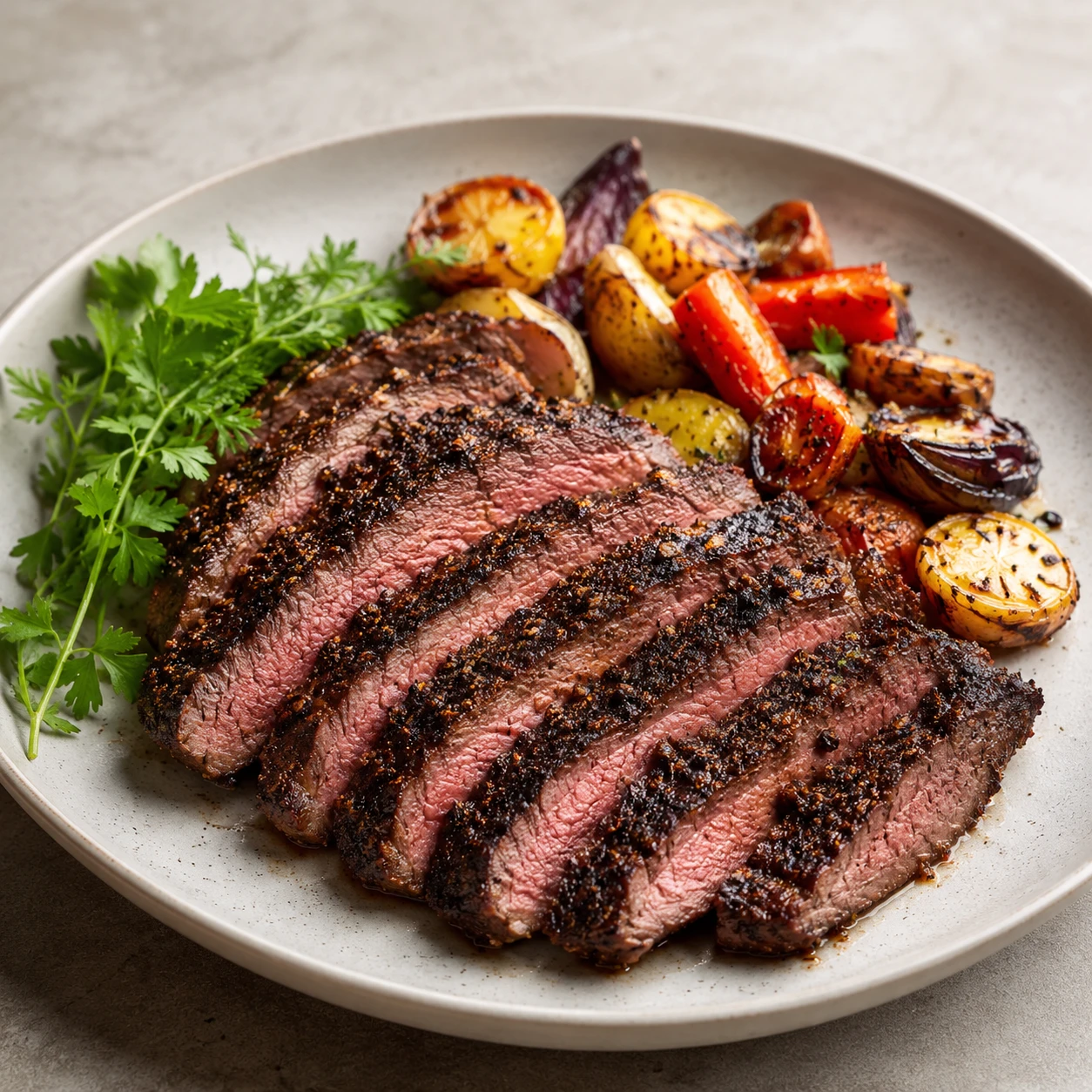
Coffee-Rubbed Flank Steak
Char, coffee, and roasted vegetables meet raspberry fruit and Petit Verdot grip.
Why it works: The rub echoes spice. Fat and char soften tannin without burying the perfume.
View Recipe for coffee-rubbed flank steak (opens in a new tab)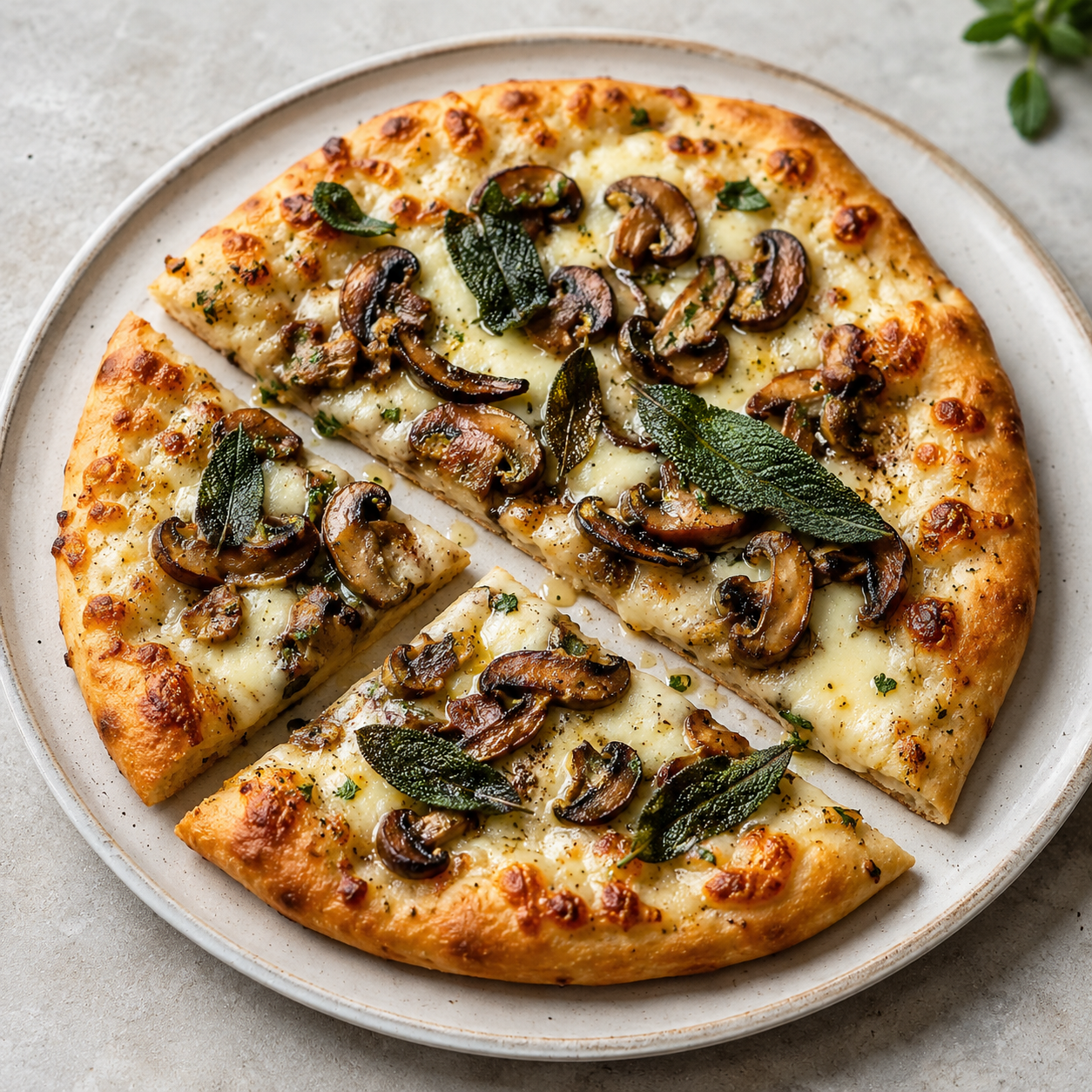
Mushroom Fontina Flatbread with Crispy Sage
Mushroom, cheese, and sage give the wine a savory, weeknight landing.
Why it works: Umami and sage echo the wine's spice. Fontina softens the grip.
View Recipe for mushroom fontina flatbread (opens in a new tab)Put Blue in the cart for the nights that need a second glass
Petit Verdot-led 2022, raspberry and rose, twenty-seven dollars.
Put six in the cart. Vivid, structured, and interesting enough to make people ask what it is.