


Weingut Prager house spotlight
Robert Bodenstein is on camera for Winebow in the Wachau, the Prager family cellar behind this 2022 Wachstum Bodenstein Riesling Smaragd.


The market on this bottle
Wine-Searcher tracks this 2022 Weingut Prager Wachstum Bodenstein Riesling Smaragd Wachau, Austria across the open market. Their published U.S. low is $63.55 and the average is $87.39. Our slash is $63.00.
2022 Weingut Prager Wachstum Bodenstein Riesling Smaragd Wachau, Austria (100F)
Toni Bodenstein's high Riesling gene-bank vineyard, Falstaff 100, a mountain Smaragd you can open at seventy-nine dollars.
The 2022 Wachstum Bodenstein is 100 percent Riesling from Prager's highest western site: mango, honey blossom, orange zest, white fruit, and a salty mineral close after five months in steel, now $63.
A high Riesling gene bank, not a second Achleiten
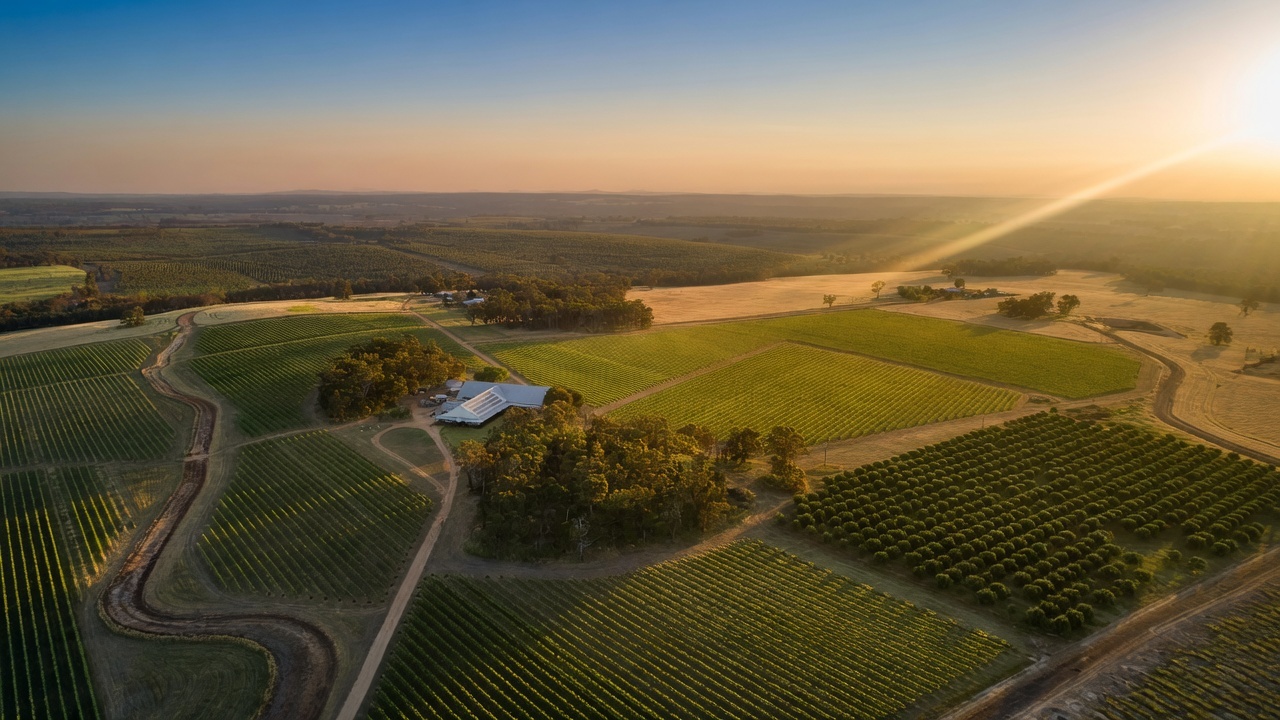
Wachstum Bodenstein is Prager's highest and most western vineyard, about 460 metres, technically part of the mountain range. Toni Bodenstein planted more than 65 Riesling genotypes here, old material he collected from the country's best old vines, when planting that high still looked like madness. Falstaff 100, Peter Moser: fine mango, yellow tropical fruit, honey blossom, orange zest, juicy white fruit, taut, salty, mineral, long, energetic. James Suckling 97: cool, brilliant, mineral, wet stone, lime peel, white grapefruit, small white flowers, coriander, mountain freshness. This is the bottle that puts Prager's experimental high site in a glass at seventy-nine dollars.

The vineyard
About 460 metres. More than 65 Riesling genotypes. A gene bank Toni planted when high sites still looked reckless.
The wine
100% Riesling Smaragd. Steel, not a barrel costume. 13% ABV, about 4.1 g/L residual.
The scores
Falstaff 100, Peter Moser. James Suckling 97: wet stone, lime, mountain freshness.
The drinker
Mango and salt first. Serve 46 to 50 F. No decant. Tomato-goat tart or schnitzel.
Mango and blossom, then salt, lime, and wet stone
Moser found light greenish yellow with silver reflections, then fine mango, yellow tropical fruit, honey blossom, and delicate orange zest, juicy white fruit, taut and finessed, salty, mineral, long lasting. Suckling found wet stone, lime peel, white grapefruit, small white flowers, coriander leaf and root, sharp, precise, full of mountain freshness. Berry Bros. noted honey blossom and apricot, then citrus and pebble-stone.
Warm years used to punish high Wachau plantings. 2022 is why Bodenstein's mountain Riesling now looks prophetic: cool fruit, extra air, 13 percent alcohol. Drink now through the mid-2040s.
Mango, tropical fruit, honey blossom, orange zest, lime peel, white grapefruit, white flowers.
Medium, 13% ABV, five months steel, taut, light-footed, dry.
Salt, wet stone, coriander, length. Serve 46 to 50 F. No decant.
High air, old clones, steel instead of a barrel speech
Falstaff records about five months in stainless steel. The point is mountain Riesling: cool fruit, salt, and stone, with 65-plus genotypes instead of a single clone. Residual sugar sits around 4.1 g/L against enough acidity that the wine drinks dry. 13 percent alcohol.

Where Klaus is grounded and dark-mineral, Wachstum Bodenstein is light, clear, and playful. That is the high-site idea.
Serve 46 to 50 F. No decant. A tart, a cutlet, or grilled fish.
A planting that looked mad in 1990 and looks smart now
Toni Bodenstein built Wachstum Bodenstein as a Riesling gene bank on a slope most neighbors would not plant.

Toni collected old Riesling material from the country's best old vines and planted it high, with EU support, as a future gene reserve.
Robert Bodenstein now makes the wines. The high site is no longer an experiment. It is a Falstaff 100-point Smaragd.
The 2022 is that idea in a mineral year: seventy-nine dollars against $100 typical.
A tart, then a cutlet
High, salty Riesling loves goat cheese and a golden fried crust. Tomato acidity and lemon in the wine keep the plate lifted.
Two plates. One tomato and goat cheese tart. One pork schnitzel. Both can take mango, lime, and stone.
Serve 46 to 50 F. No decant. A cold glass keeps mango, blossom, and salt in front.
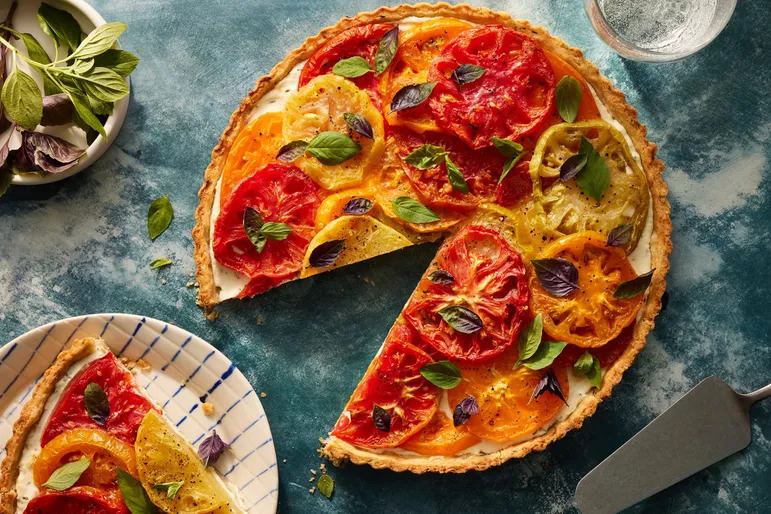
Tomato and Goat Cheese Tart
Acidic tomatoes, creamy goat cheese, and a flaky crust. Dry Riesling's brunch landing.
Why it works: The wine's acidity lifts tomato and goat cheese. Wet-stone minerality complements the crust.
View Recipe for tomato and goat cheese tart (opens in a new tab)
Pork Schnitzel with Apple Fennel Slaw
A crisp cutlet brings richness and crunch. Apple, fennel, and lemon keep the plate lifted.
Why it works: The Riesling cuts the fried crust while citrus, salt, and stone echo the slaw.
View Recipe for Pork Schnitzel with Apple Fennel Slaw (opens in a new tab)Put this Wachstum Bodenstein in the cart
Weingut Prager, Falstaff 100, high Riesling. Seventy-nine dollars against a $100 typical retail.
Put it in the cart. This is the Prager bottle for a table that wants mountain Riesling, not a second Achleiten.
