


Tenuta Tignanello
Marchesi Antinori's film of Tenuta Tignanello. The wine comes only from that vineyard, on the hill between Greve and the Pesa.
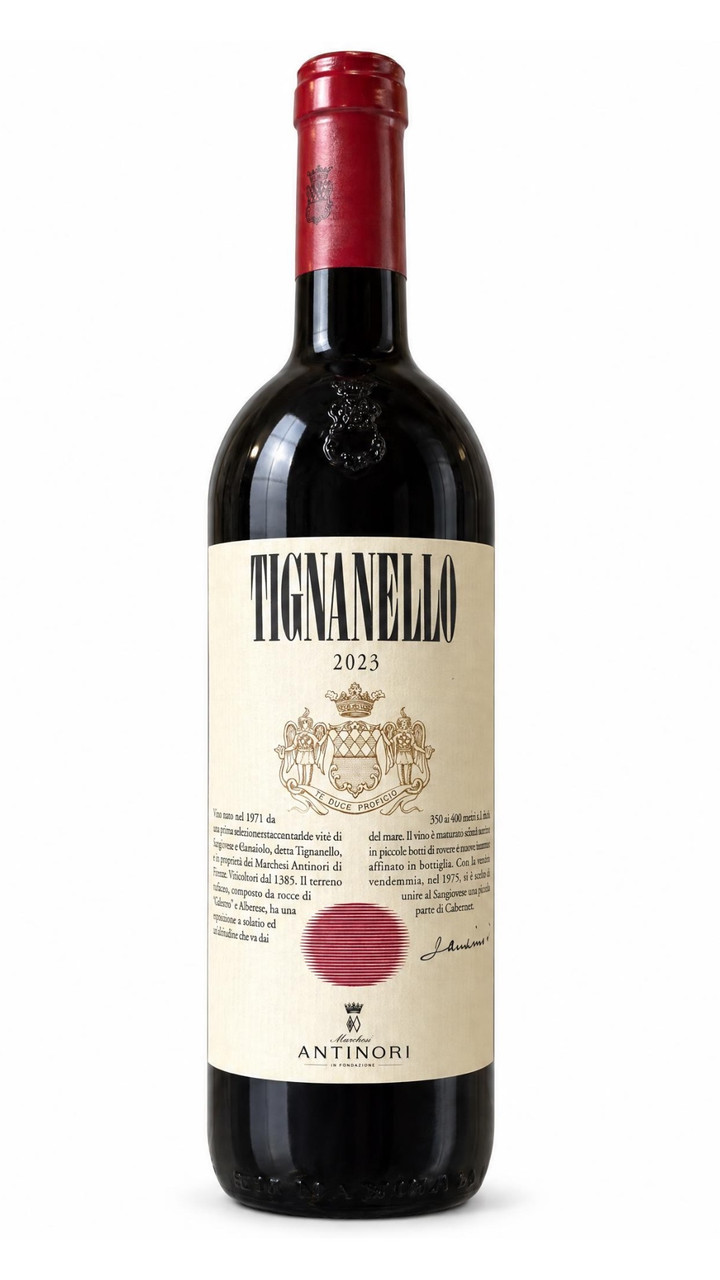

The market on this bottle
Wine-Searcher tracks this 2023 Marchesi Antinori Tignanello Toscana IGT Tuscany, Italy across the open market. Their published U.S. low is $164.47 and the average is $179.06. Our slash is $170.00.
2023 Marchesi Antinori Tignanello
Tignanello from the limestone hill between Greve and the Pesa, Sangiovese with Cabernet from the 2023 season, a James Suckling 97 at one hundred seventy dollars.
Antinori keeps this bottling to the Tignanello vineyard. The house describes it as mainly Sangiovese, with a small share of Cabernet Sauvignon and Cabernet Franc. It is $170. Wine-Searcher shows a low of $166.66 and an average of $179.89.
Bottled only in the years that earn it
Tignanello is one vineyard, about 190 acres of limestone with a southwest exposure, between 350 and 400 meters. Antinori has left the name off the market in weak years, including 1984, 1992, and 2002. The 2023 is one they kept.
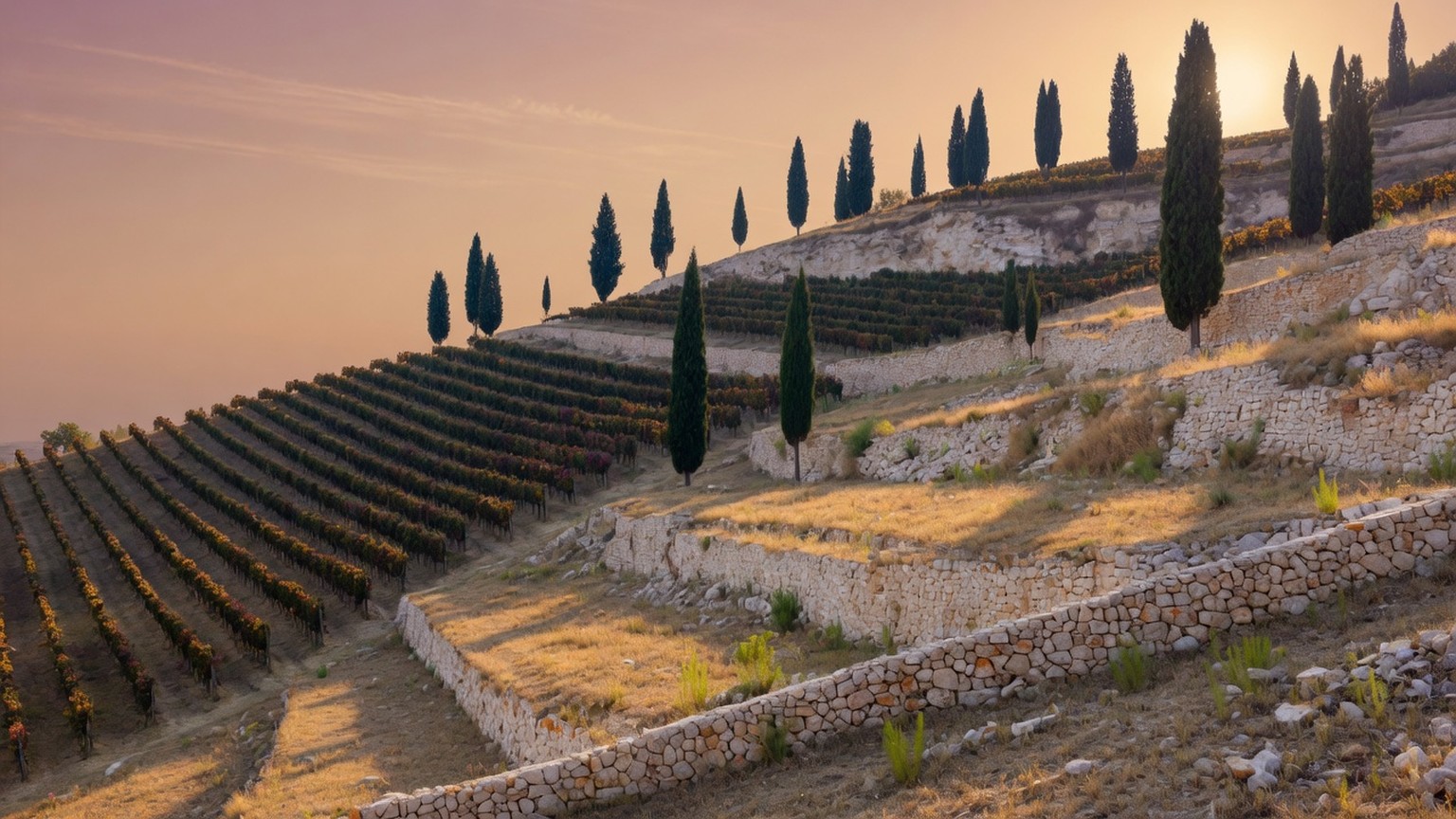
The hill
The Tignanello vineyard is about 190 acres, limestone-rich, facing southwest at 350 to 400 meters. Solaia shares the same hillside. The wider estate is 319 hectares, with about 165 hectares of vines, between Greve and the Pesa.
The blend
Antinori's 2023 note says the wine is crafted mainly with Sangiovese and a small percentage of Cabernet Sauvignon and Cabernet Franc. Jeb Dunnuck, May 2026, puts Sangiovese at 80 percent, with Cabernet Sauvignon and a rising share of Cabernet Franc.
The scores
James Suckling scored the 2023 a 97 in July 2026. Jeb Dunnuck scored it 97 in May 2026. Wine Spectator scored it 95, with a window from 2028 through 2047. The corner tile is the 97.
The season
Antinori describes a cold, dry winter, a cool and rainy stretch from late April through mid-June, then a hot summer without extreme heat spikes. Sangiovese started around September 20. Cabernet finished in the first half of October.
Cherry, hibiscus, and a silky middle
Antinori's 2023 note: intense ruby, with ripe cherries, pomegranates, oranges, hibiscus, violets, cocoa, pencil lead, white pepper, and cranberries. The middle is juicy and precise, the tannins silky, the finish blood orange and roasted hazelnuts. James Suckling, July 2026, adds cassis, graphite, cedar, and a velvety line, and says drink or hold.
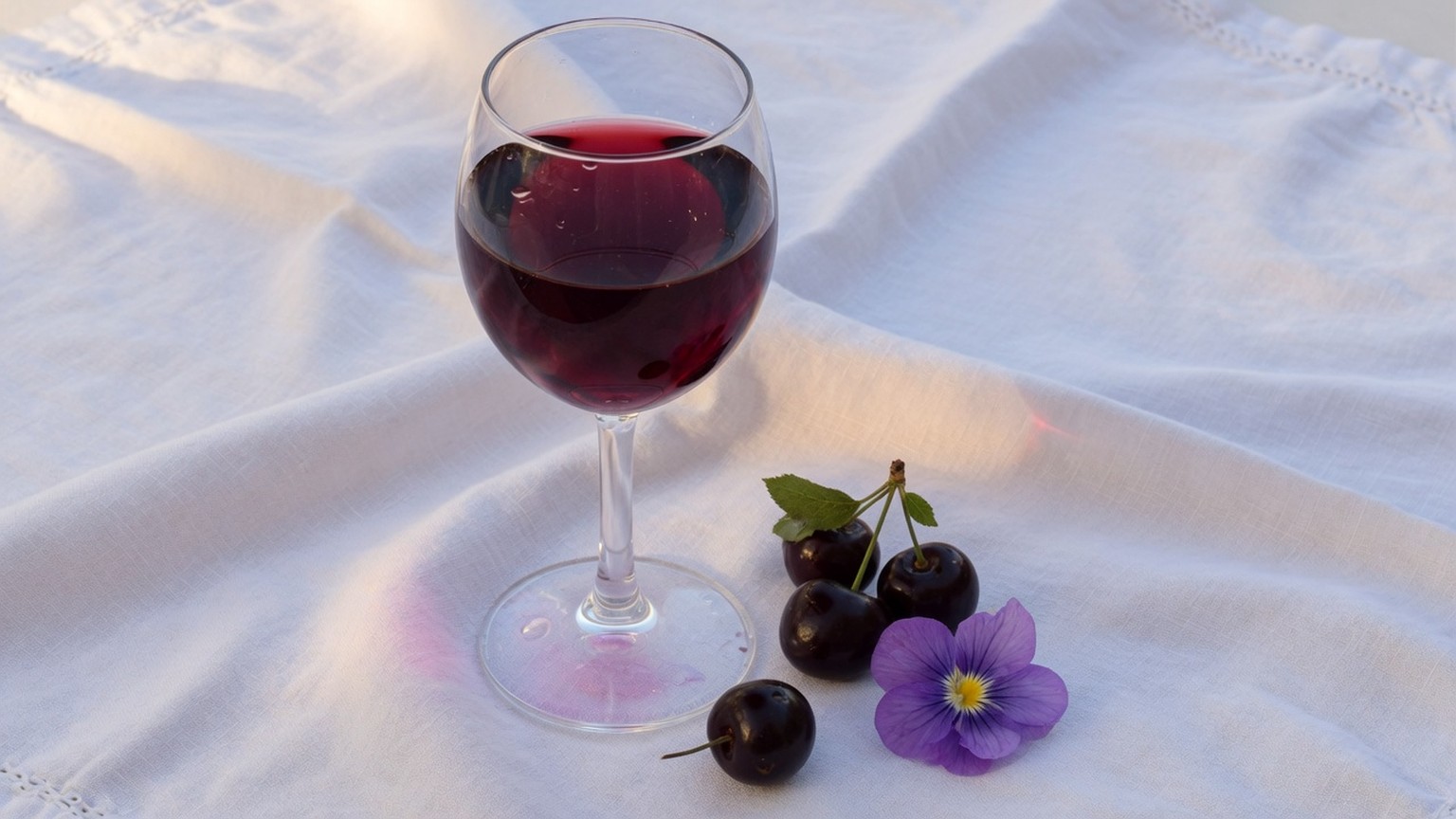
A cold dry winter, a wet late spring, and a hot summer without heat spikes. Harvest ran from about September 20 for Sangiovese into the first half of October for the Cabernet.
Antinori: ripe cherry, pomegranate, orange, hibiscus, violet, cocoa, and pencil lead. Suckling adds cassis, graphite, cedar, and a balsamic note.
A juicy middle and silky tannins, in the estate note. Dunnuck calls the 2023 full-bodied, with acidity and refined tannins, and ready to drink or to keep for decades.
Blood orange and roasted hazelnuts. Wine Spectator's window is 2028 through 2047. Decant and serve near 62 F.
Conical tanks, then small oak, then the bottle
Antinori prints the 2023 cellar path in full, and leaves the alcohol and the winemaker's name off that sheet. Those two stay off this page.
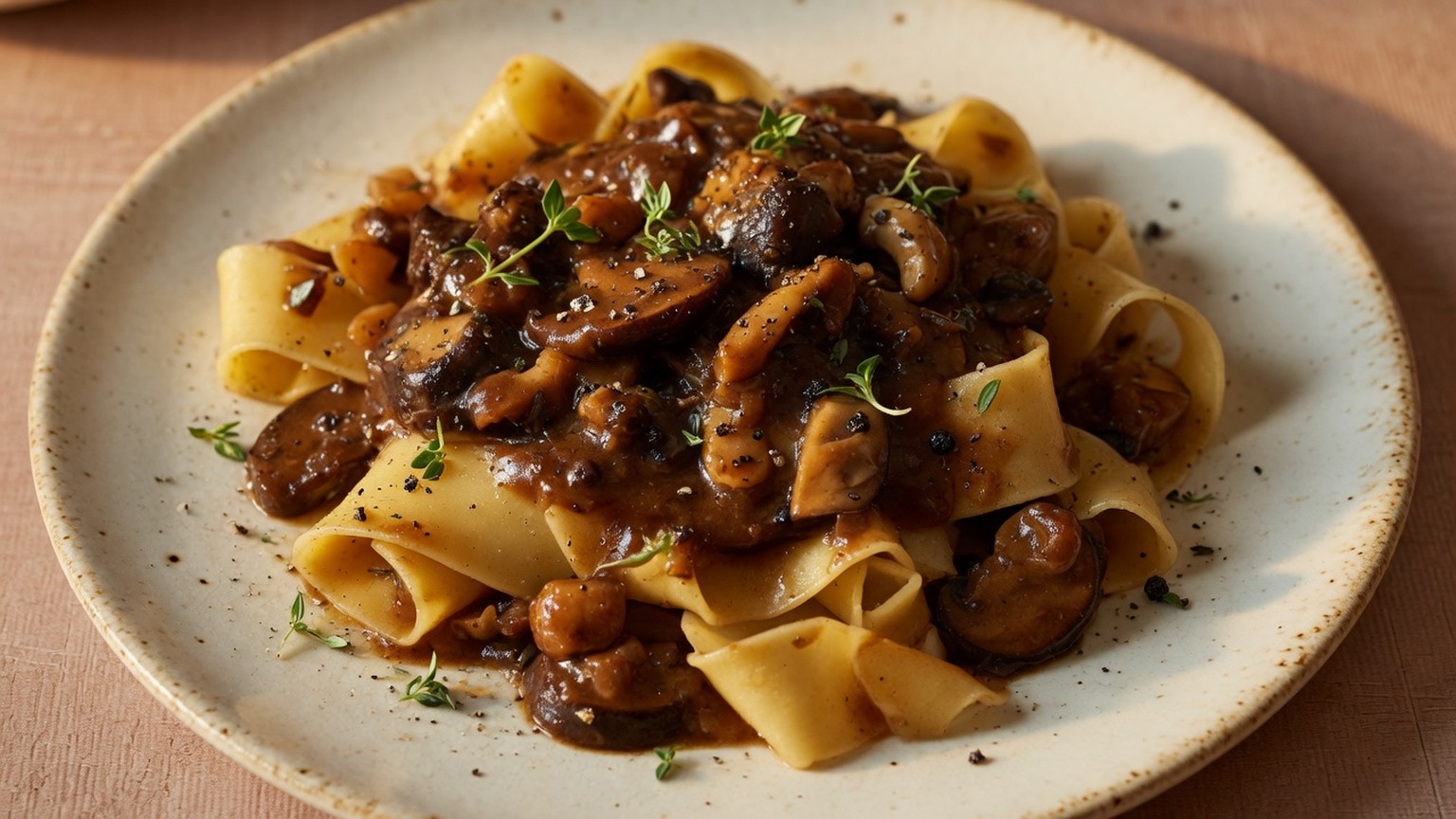
Fruit: Only the Tignanello vineyard. Mainly Sangiovese, with Cabernet Sauvignon and Cabernet Franc. Dunnuck's May 2026 note is the one that gives Sangiovese at 80 percent.
Cellar: Fermentation in truncated conical tanks, with skin contact for aroma, color, and supple tannins. The wine is racked after daily tasting. Malolactic fermentation is in small oak.
Oak: French oak and a small share of Hungarian oak, predominantly new, for 13 months. The lots stay separate, then they are blended and finished in barrel. Another 12 months in bottle before release.
The hill that left Chianti
Tignanello is the parcel Antinori pulled out of the old Chianti recipe and bottled under its own name.
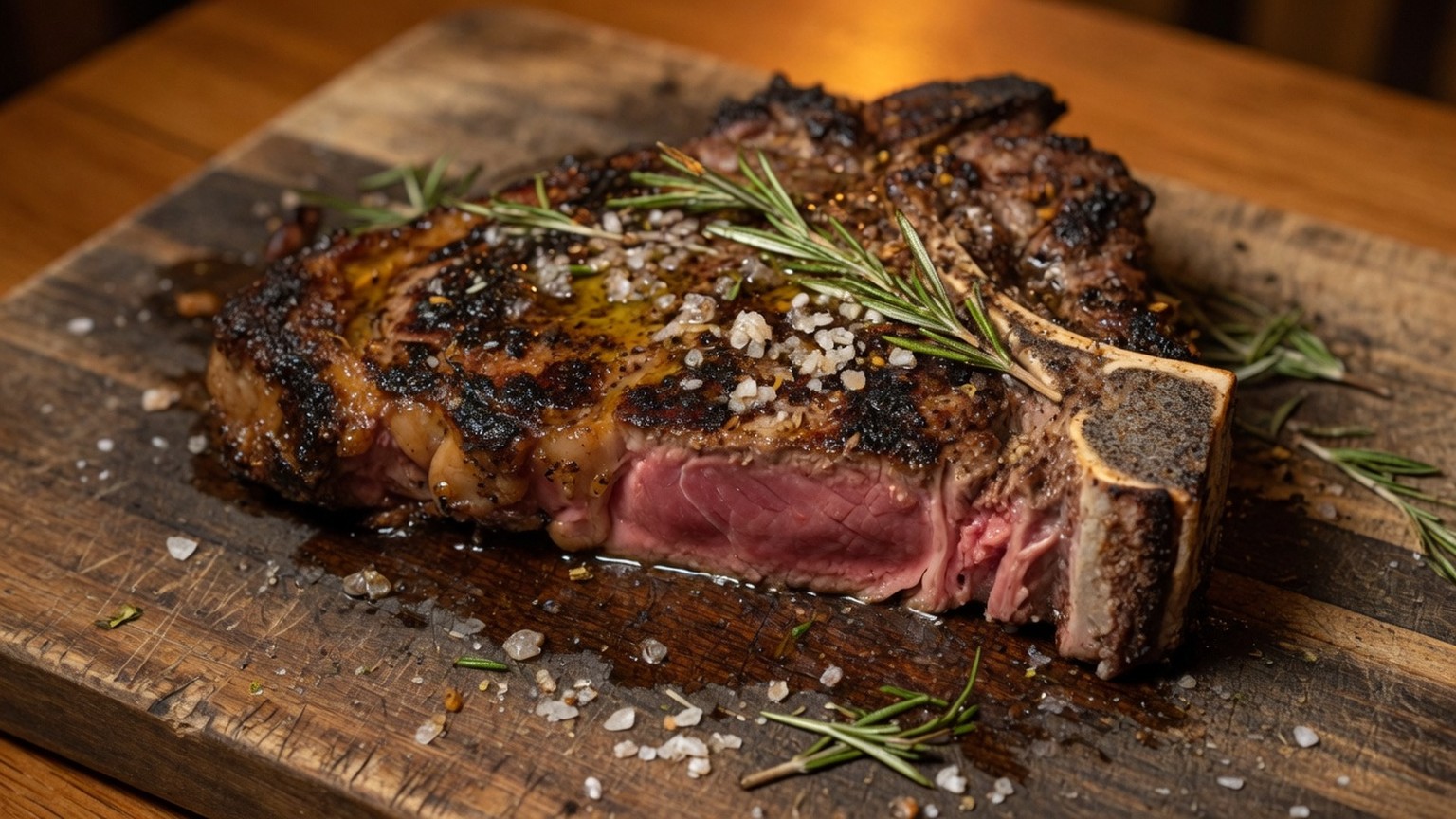
The 1970 vintage was still a Chianti Classico Riserva, Vigneto Tignanello, with Canaiolo and a little Trebbiano and Malvasia, aged in small oak. In 1971 it left the Chianti name and became a Tuscan red table wine called Tignanello.
The white grapes were gone by 1975. Since 1982 the wine has been Sangiovese with Cabernet Sauvignon and Cabernet Franc. It was among the first of those hills to drop the white grapes, to put Cabernet in the blend, and to age Sangiovese in small oak. The house skips the bottling in poor years: 1972, 1973, 1974, 1976, 1984, 1992, and 2002.
Tenuta Tignanello sits between Greve and the Pesa. The estate is 319 hectares, about 165 of them vines. Tignanello and Solaia share the hillside. The soils are alberese and galestro.
Fiorentina, then mushroom pappardelle
Cherry, violet, and a silky tannin want a charred steak and a bowl of pasta with porcini.
Two plates. A Fiorentina, the Tuscan T-bone, grilled over a hot fire. Then wide pappardelle in a mixed-mushroom ragu. The steak meets the cherry and the tannin. The pasta meets the cocoa and the hazelnut finish.
Decant the 2023. Serve near 62 F in a Bordeaux glass. Wine Spectator's window runs from 2028 through 2047. Suckling says drink or hold.
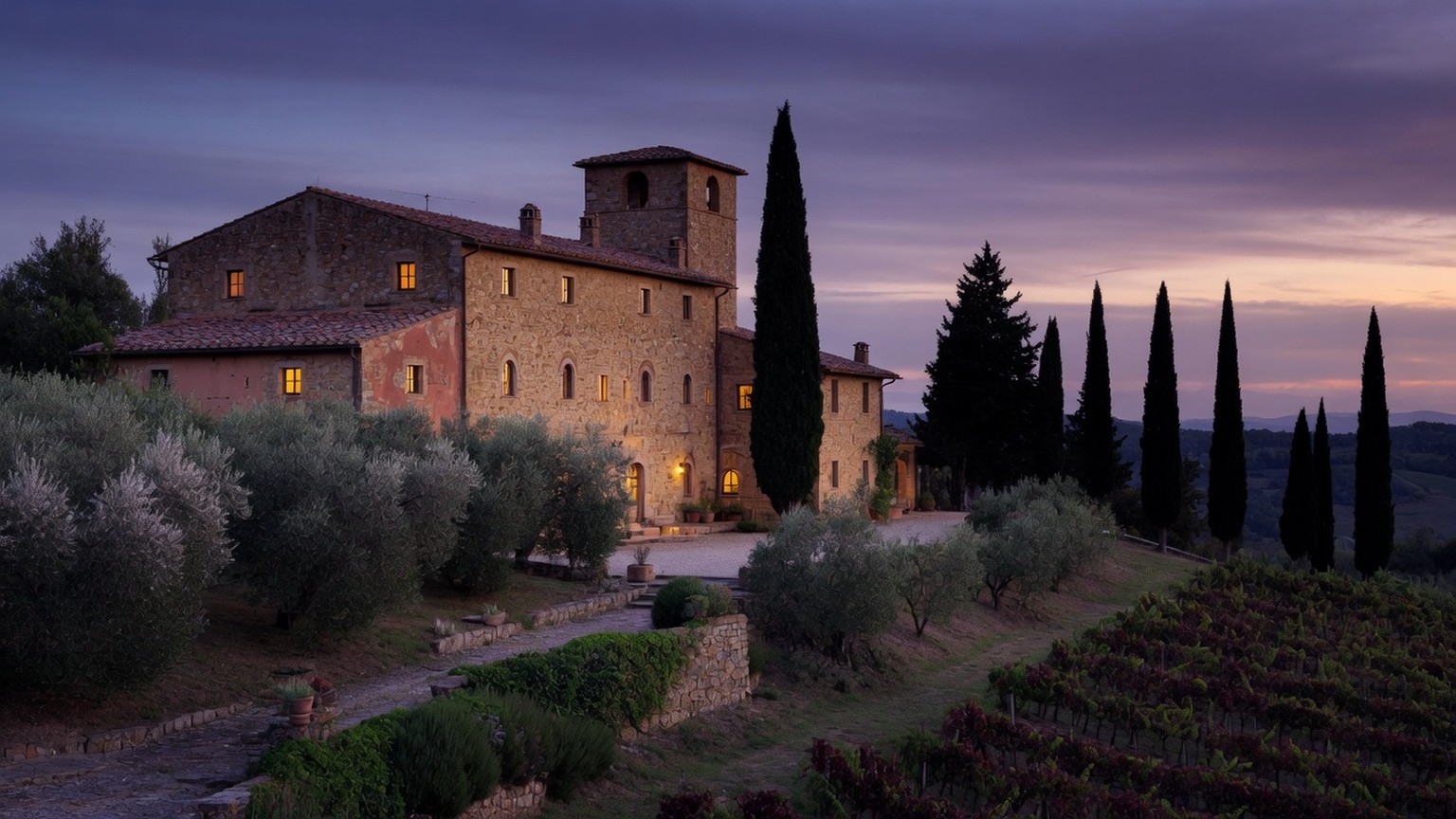
Fiorentina steak
Jamie Oliver's Fiorentina, a thick T-bone, salted, rosemary, a hard sear, and a rest. The plate is the steak and its juices.
Why it works: Char and rosemary sit next to the cherry and the white pepper, and the juices soften the silky tannin.
View Recipe for Fiorentina steak (opens in a new tab)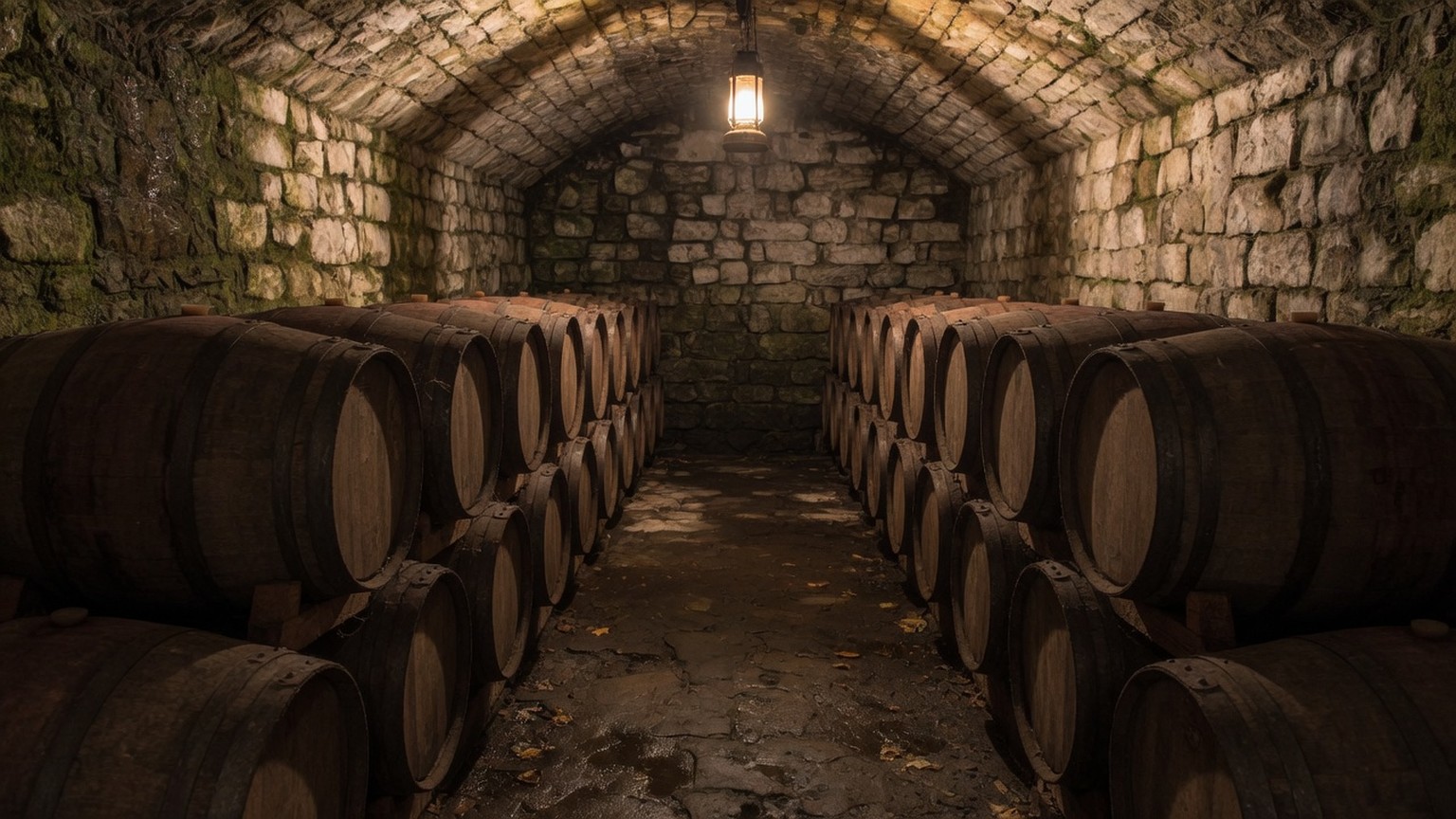
Pappardelle with mushroom ragu
Gennaro Contaldo's pappardelle with mixed mushroom ragu: porcini, fresh mushrooms, a little tomato, and thyme.
Why it works: Porcini and thyme pick up the cocoa and the roasted hazelnut, and the pasta gives the wine a soft place to land.
View Recipe for pappardelle with mixed mushroom ragu (opens in a new tab)Take the hill home
This is the 2023 Tignanello, Sangiovese with Cabernet from that one vineyard, with a James Suckling 97 and a one-hundred-seventy-dollar ask.
Take the 2023 home at $170 a bottle.
