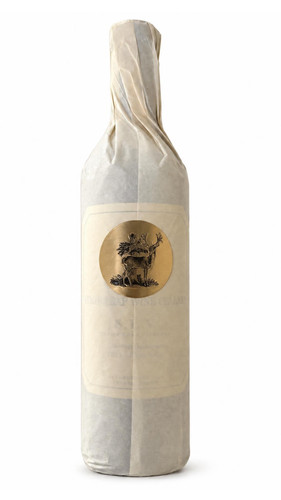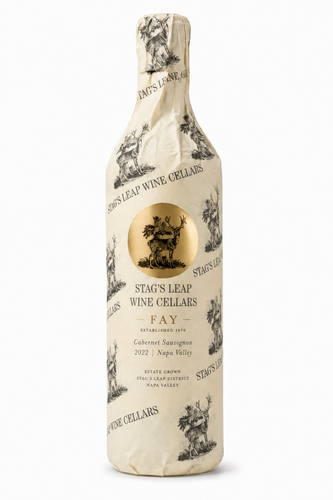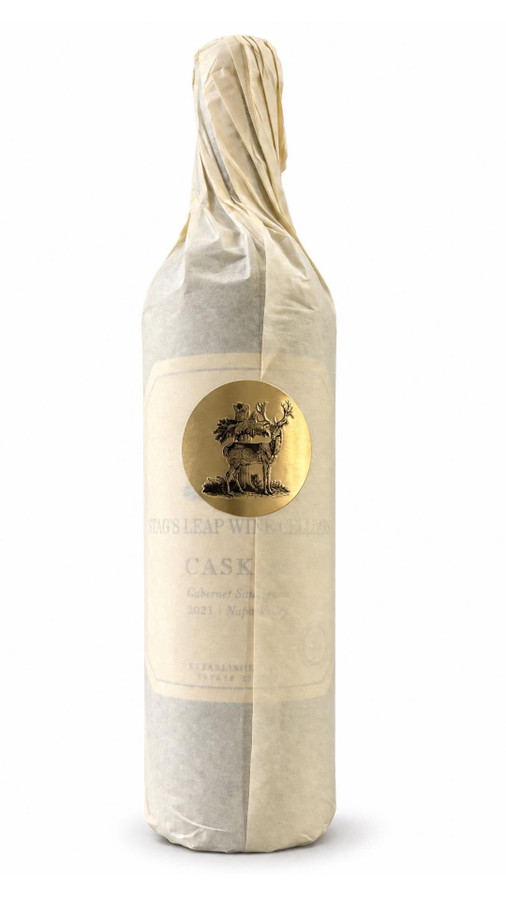
Fay and S.L.V.
Stag's Leap Wine Cellars on the 2023 Cask 23, the estate Cabernet from Fay and S.L.V.
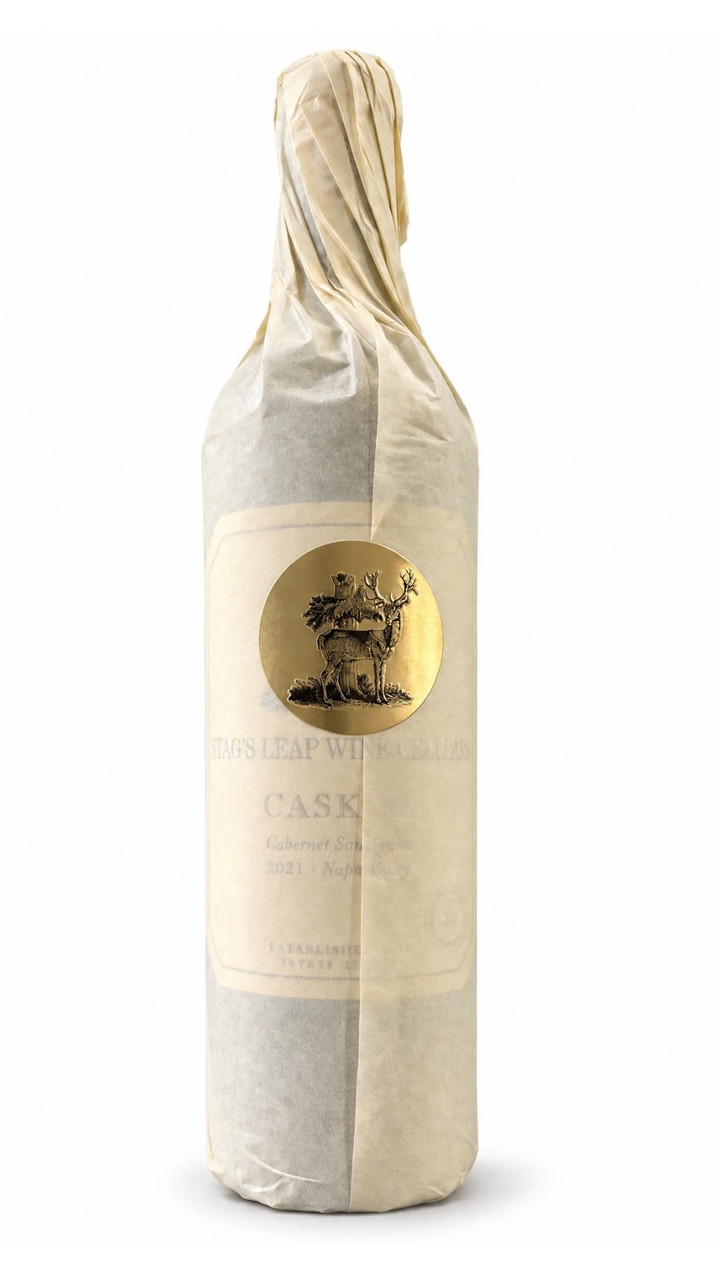

The market on this bottle
Wine-Searcher tracks this 2023 Stag's Leap Wine Cellars Estate 'Cask 23' Cabernet Sauvignon Napa Valley across the open market. Their published U.S. low is $294.45 and the average is $347.51. Our slash is $300.00.
2023 Stag's Leap Wine Cellars Cask 23
The estate blend of Fay and S.L.V. from the 2023 season, a Wine Advocate 98 at three hundred dollars.
The winery's sheet for this bottle is 99 percent Cabernet Sauvignon and 1 percent Cabernet Franc, aged 21 months in all-new French oak. It is $300 against a $325 retail. Wine-Searcher averages $363.74.
The lot Tchelistcheff would not blend away
Cask 23 began at the 1974 harvest, when Andre Tchelistcheff found one S.L.V. lot beautiful enough to bottle on its own. S.L.V. is the vineyard that won the Judgment of Paris in 1976. The 2023 is still Fay and S.L.V.
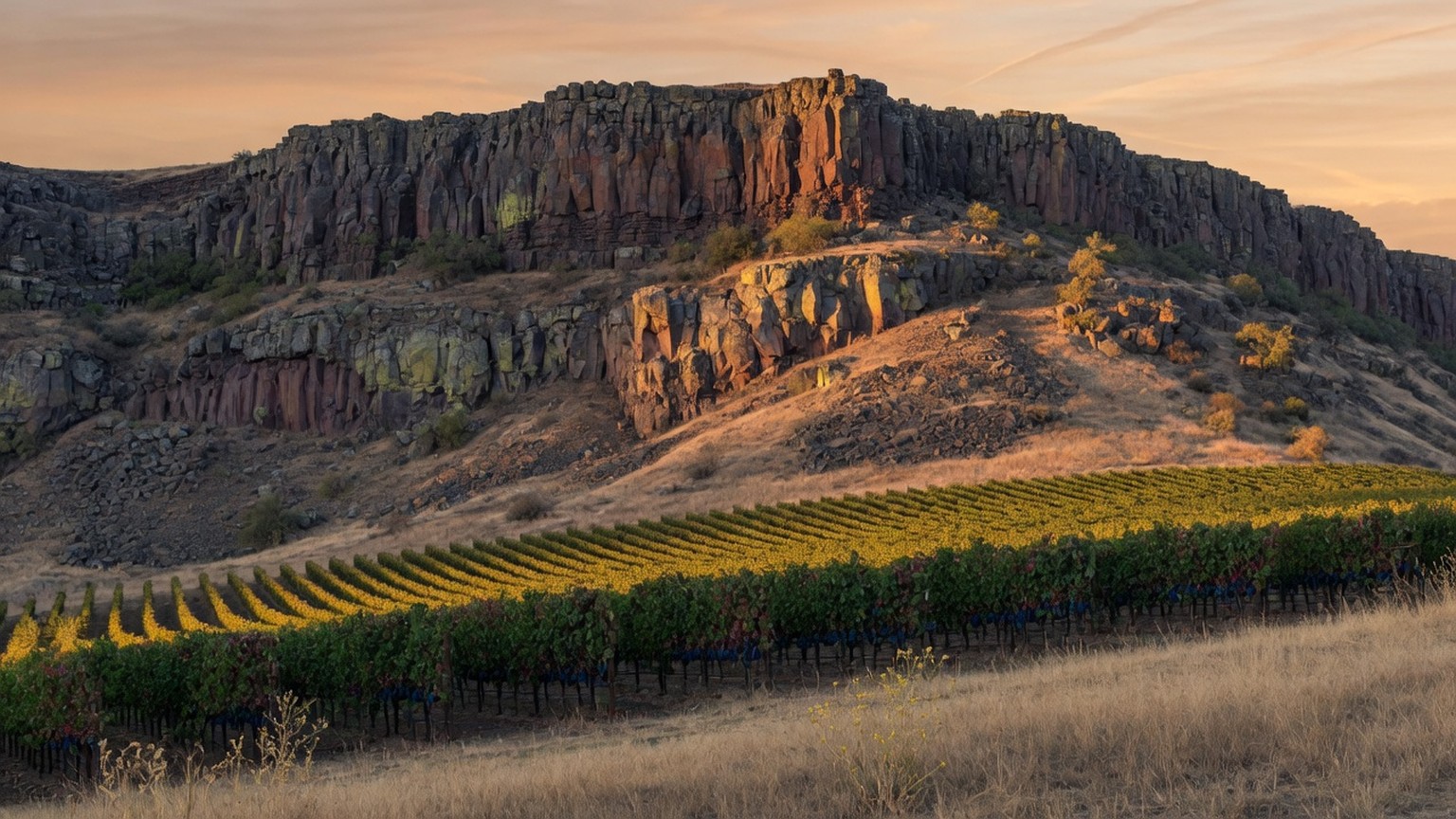
The two vineyards
S.L.V. is the winery's first vineyard, and the 1976 Judgment of Paris wine came from it. Fay is the neighboring estate vineyard, where Cabernet was planted in the Stags Leap District in 1961. Cask 23 is the best of both.
The sheet
The 2023 product page: 99 percent Cabernet Sauvignon, 1 percent Cabernet Franc, 21 months in 100 percent new French oak. Alcohol 14.0, titratable acidity 0.57, pH 3.75. Marcus Notaro is the winery's director of winemaking.
The scores
Wine Advocate, May 7, 2026, scored the 2023 a 98 and called it 70 percent Fay and 30 percent S.L.V. Wine Spectator, August 10, 2026, scored it 97 and printed 2,700 cases, best from 2030 through 2050. The corner tile is the 98.
The season
The winery calls 2023 one of the coolest Napa seasons in more than ten years. Winter rain at the estate was 39.6 inches, against a 17.5 inch average for 2021 and 2022. Budbreak was mid-April. Warm days and afternoon sea breezes kept the ripening slow.
Black cherry, sage, and a suede texture
Wine Advocate, May 7, 2026: Christmas spice, violets, sage, thyme, black cherries, and earth. Medium to full, rich without weight, a suede texture, and a long refreshing finish. The note calls the blend 70 percent Fay and 30 percent S.L.V., and says it exceeds the two vineyard bottlings.
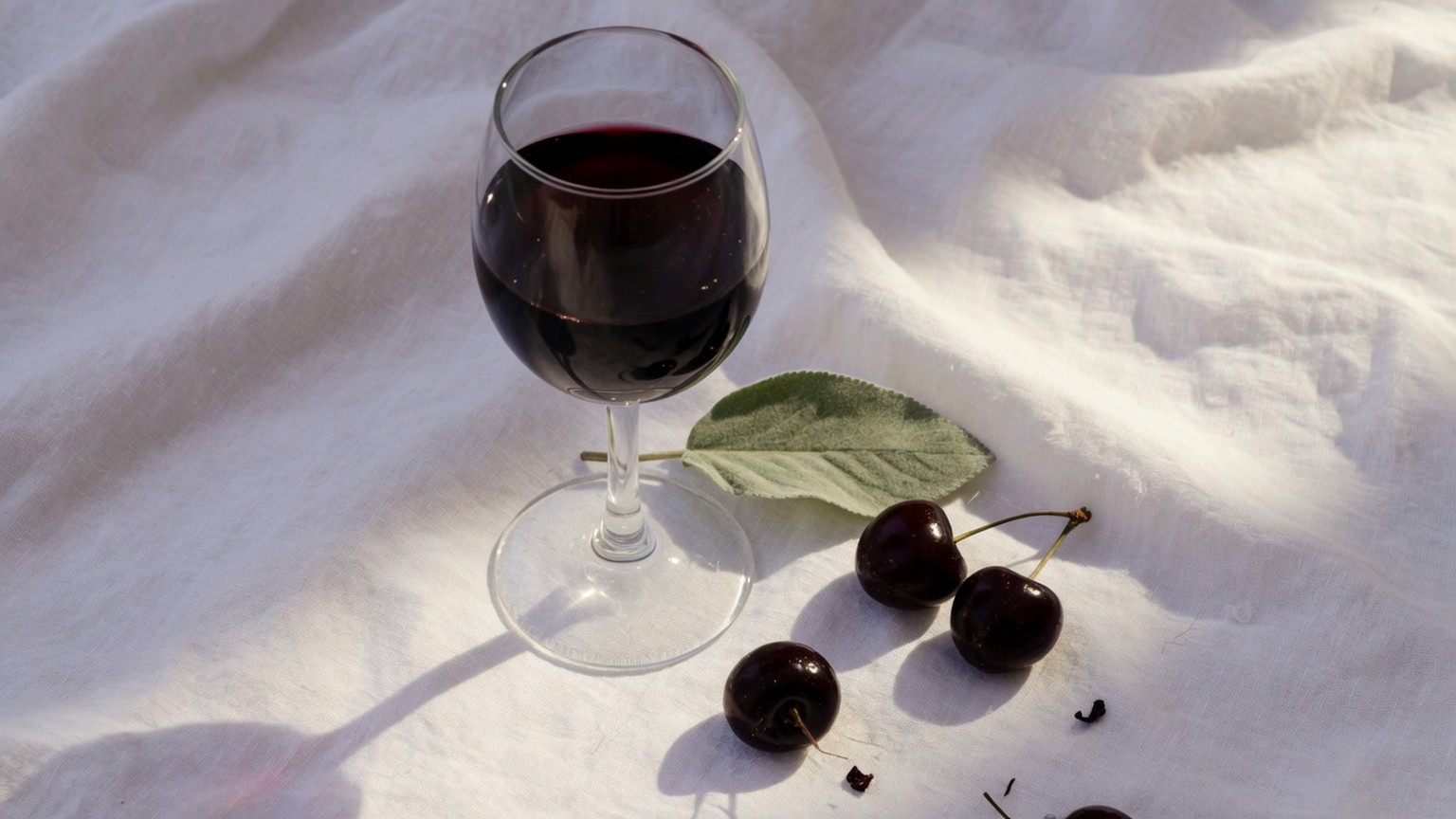
Winter rain of 39.6 inches, budbreak in mid-April, and a classic summer of warm days with late sea breezes. The winery describes a slow, even ripening and a wine built to age for decades.
Wine Advocate: violets, sage, thyme, black cherries, earth, and Christmas spice. Wine Spectator: cassis, plum reduction, boysenberry, mesquite, alder, bay, and violet.
Rich without weight, a suede texture, in the Advocate note. Spectator finds a long graphite spine and a reserved, poised wine.
A long, refreshing finish. Spectator's window is 2030 through 2050, and the review counts 2,700 cases. Decant and serve near 62 F.
New French oak, two estate vineyards
The 2023 sheet is short, and it is specific. Variety, oak, alcohol, acid, and pH are printed. The vineyard split in the Advocate review is the critic's, not a line on that sheet.
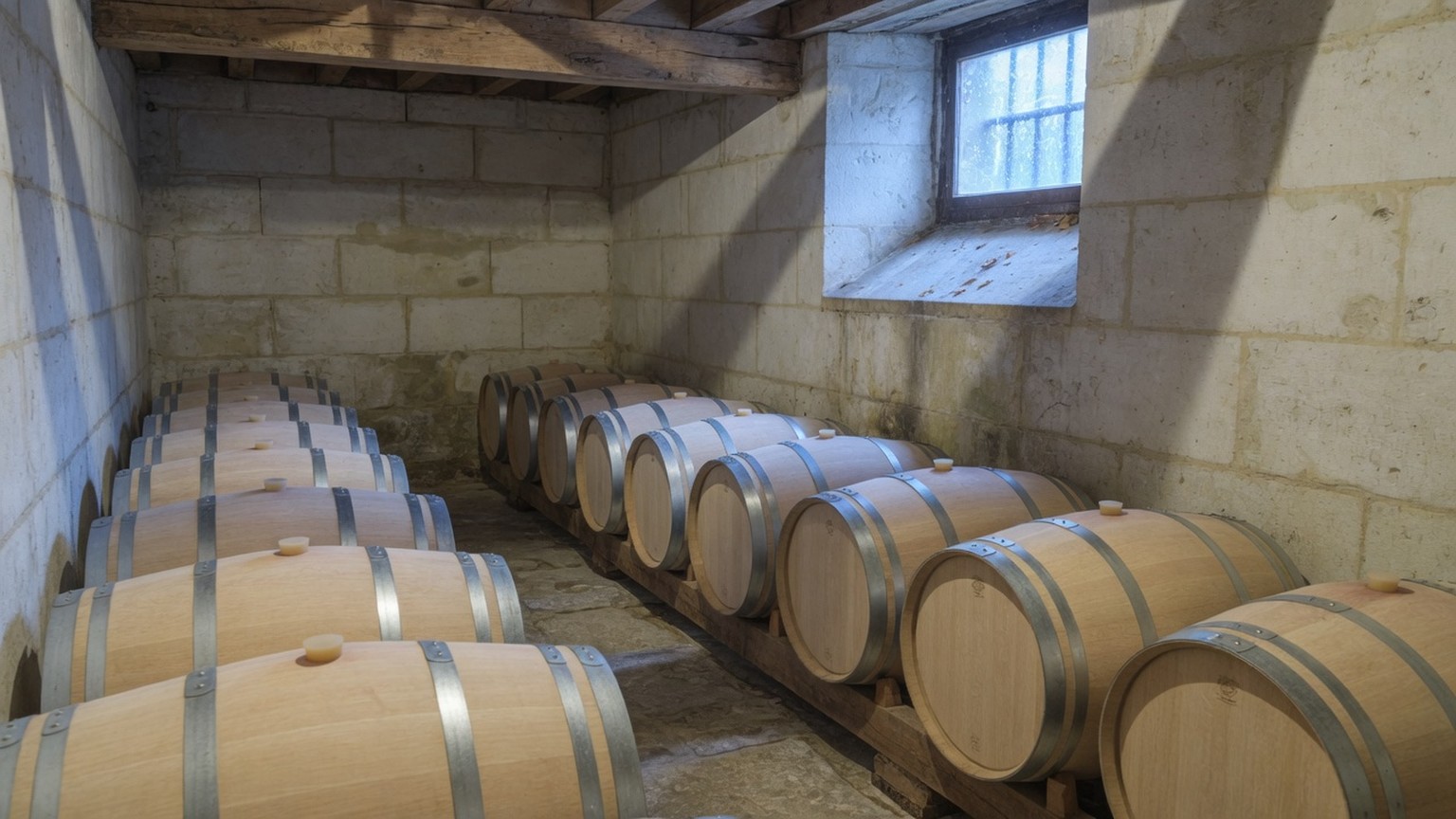
Winemaker: Marcus Notaro is director of winemaking at Stag's Leap Wine Cellars. The 2023 Cask 23 is the estate bottling from Fay and S.L.V.
Fruit: Cabernet from the two estate vineyards in the Stags Leap District, inside Napa Valley. The product page prints 99 percent Cabernet Sauvignon and 1 percent Cabernet Franc. Wine Advocate's May 2026 note adds a vineyard split of 70 percent Fay and 30 percent S.L.V.
Oak: Twenty-one months in 100 percent new French oak. Alcohol 14.0 percent. Titratable acidity 0.57. pH 3.75.
One cask, then two vineyards
Cask 23 is the wine that started as a single S.L.V. lot and became the blend of Fay and S.L.V.
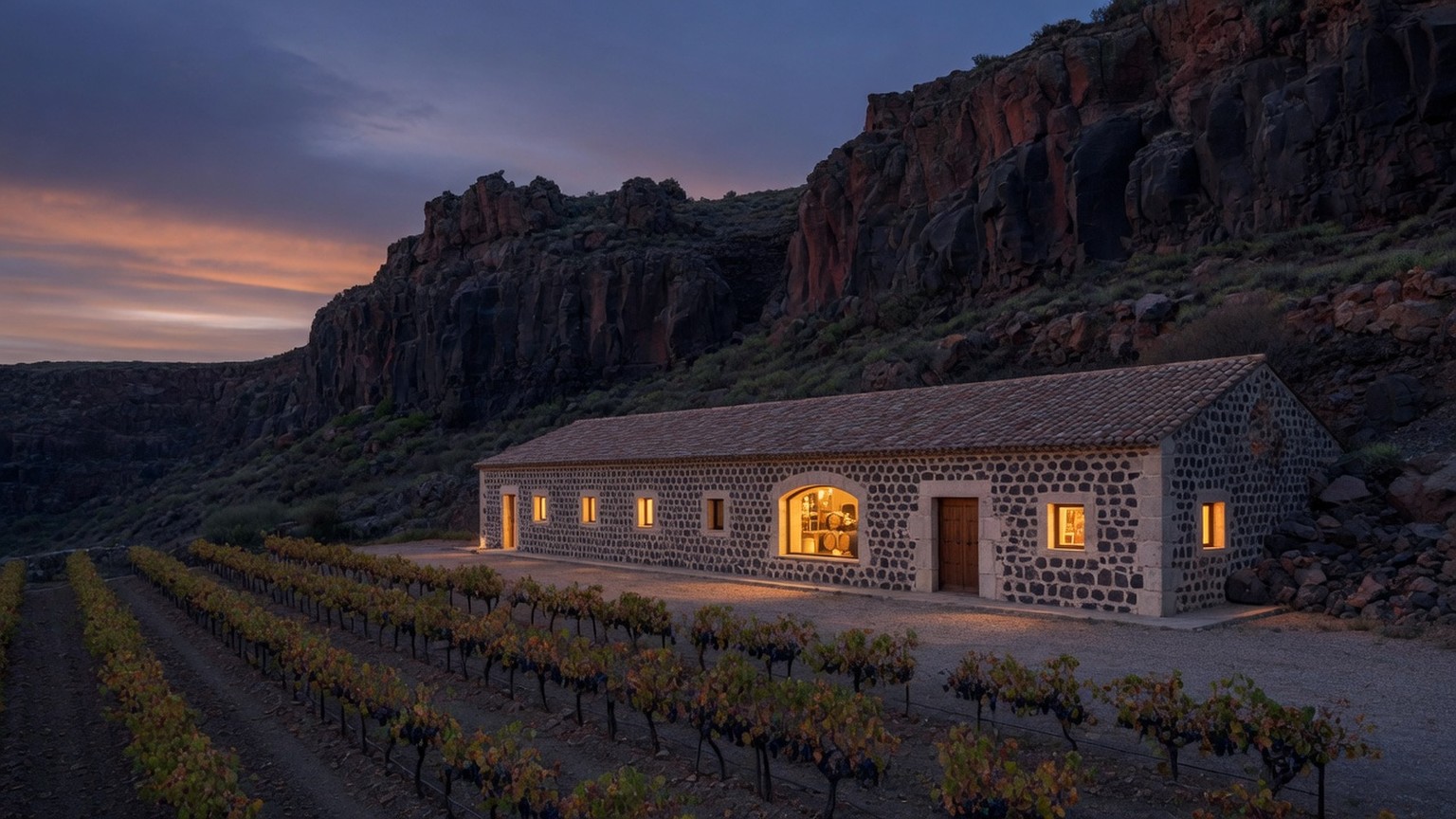
During the 1974 harvest the winery asked Andre Tchelistcheff to taste the new lots. One lot from S.L.V. was distinct enough to bottle alone. It took the name of the cask it was aged in.
S.L.V. is the winery's first vineyard, and the wine from it won the Judgment of Paris in 1976. Fay, next door, is where Cabernet was planted in the Stags Leap District in 1961. The two vineyards still make this bottle.
The 2023 about page describes today's Cask 23 as exceptional fruit from S.L.V. and Fay, depth and richness held in check. The catalog appellation is Napa Valley. The vineyards are in the Stags Leap District.
Butter-basted ribeye, then short ribs
Black cherry, sage, and a suede tannin want a hard-seared steak, and a long braise after that.
Two plates. A butter-basted ribeye, thyme in the pan. Then red-wine braised short ribs. The steak matches the cassis and the oak. The braise matches the savory herbs in the Advocate note.
Decant the 2023. Serve near 62 F in a Bordeaux glass. Wine Spectator says best from 2030 through 2050.
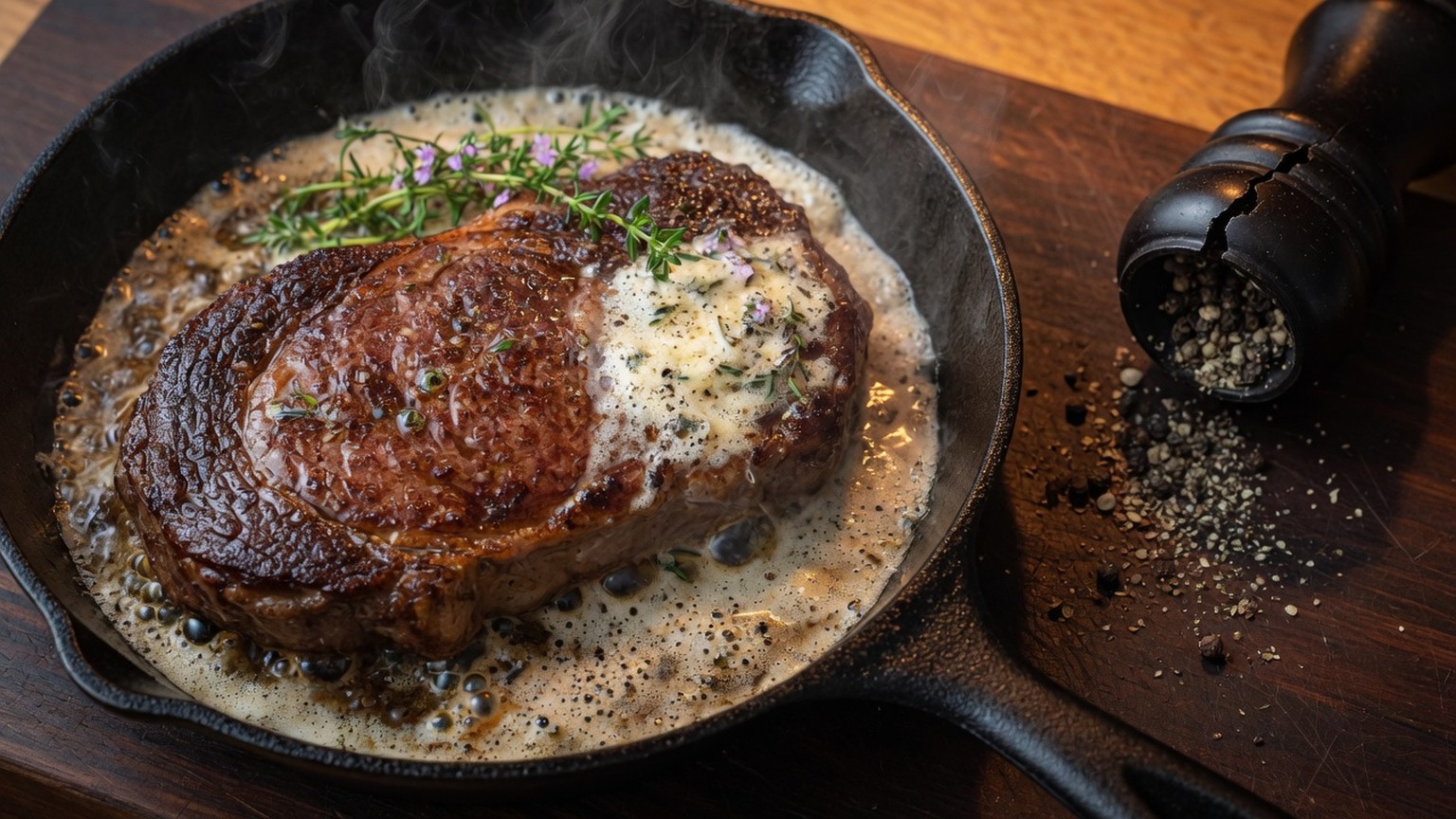
Butter-basted ribeye
Kenji Lopez-Alt's pan-seared steak, finished by basting with browned butter and thyme. A thick ribeye, a hard crust, a warm center.
Why it works: Browned butter and thyme sit with the oak and the sage, and the crust stands up to the tannin.
View Recipe for butter-basted pan-seared steaks (opens in a new tab)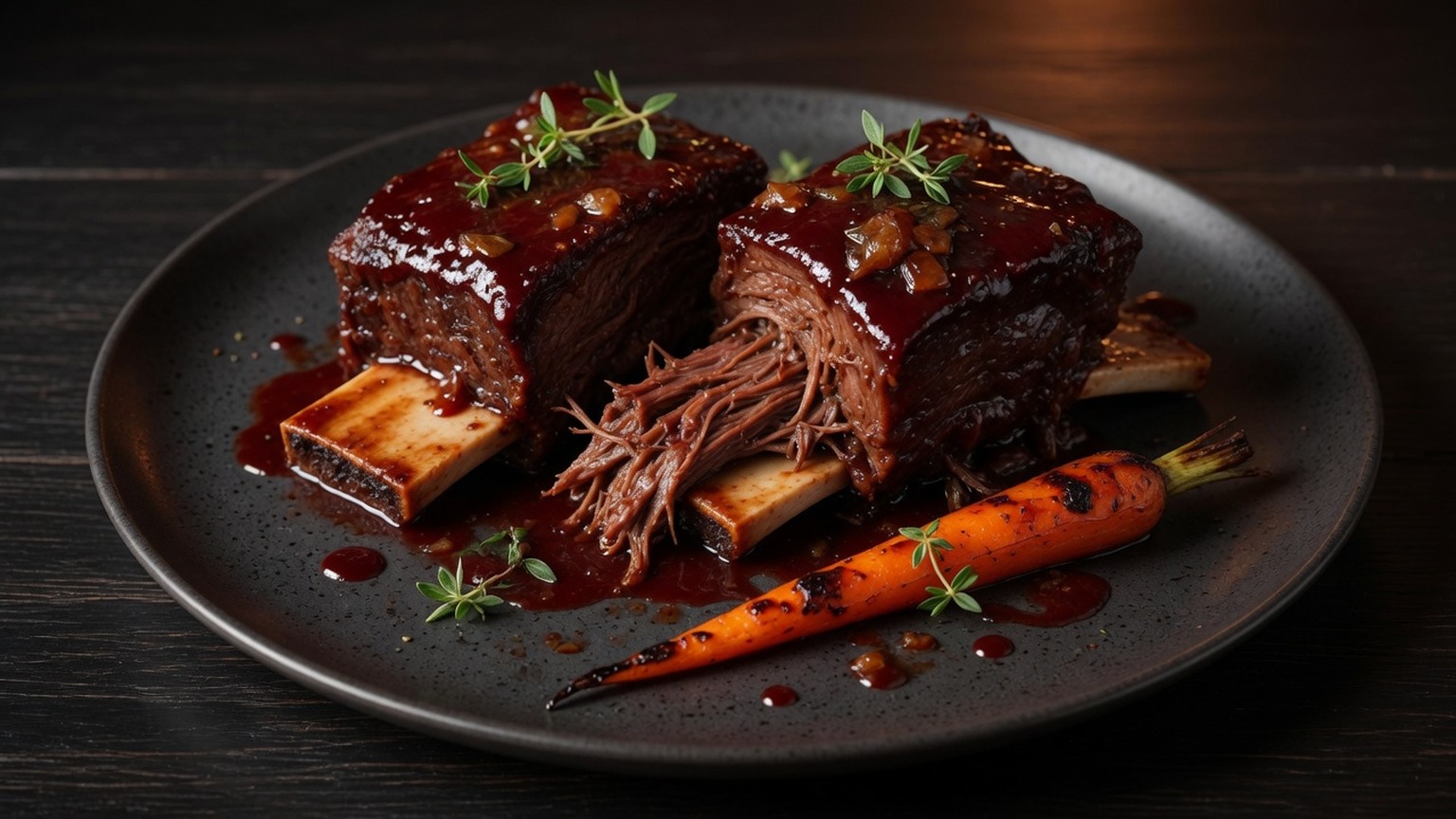
Red-wine braised short ribs
Serious Eats' red-wine braise: short ribs browned hard, then a long oven cook with wine, stock, and thyme until the meat slips the bone.
Why it works: The wine in the pot and the thyme echo the black cherry and the herbs, and the soft meat lets the Cabernet stay the firm thing on the table.
View Recipe for red-wine braised beef short ribs (opens in a new tab)Fay and S.L.V., in one bottle
This is the 2023 Cask 23, the estate Cabernet from those two vineyards, with a Wine Advocate 98 and a three-hundred-dollar ask.
Take the 2023 home at $300 a bottle.