


Caterwaul house spotlight
James Suckling TV: Thomas Rivers Brown, Caterwaul's winemaker, on site and vintage. Same hand as Schrader.
The market on this bottle
Wine-Searcher tracks this 2024 Caterwaul Chardonnay Napa Valley across the open market. Their published U.S. low is $37.45 and the average is $44.14. Our slash is $37.00.
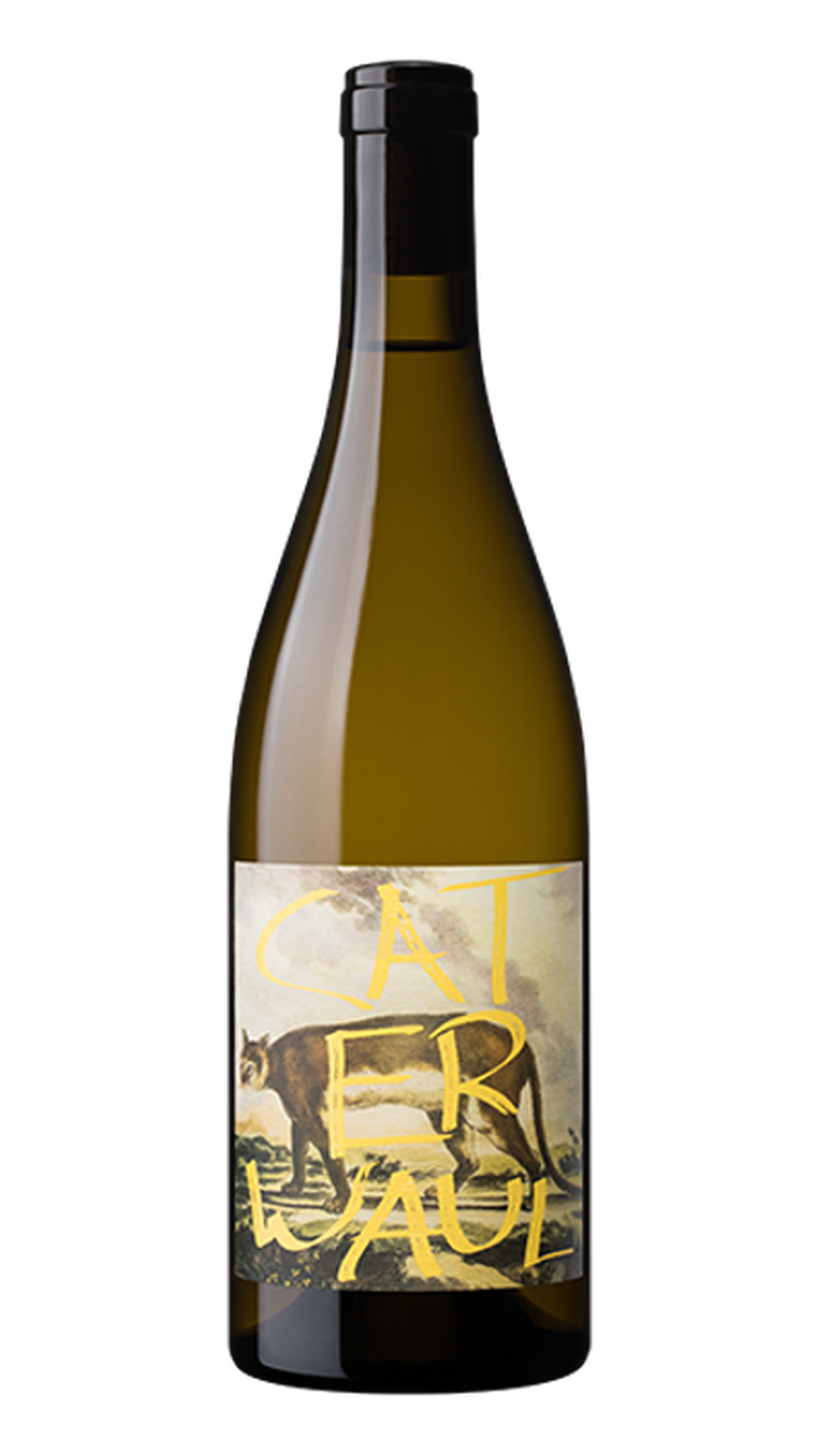
2024 Caterwaul Chardonnay Napa Valley, USA
Thomas Rivers Brown Napa Chardonnay, 15 months on lees, Meyer lemon and flint at thirty-nine dollars.
The 2024 Caterwaul Chardonnay is barrel fermented and aged on lees for 15 months, 25 percent new Latour oak, Meyer lemon, creme fraiche, and flint, now $37.
Brown and Hardin, in a glass you can open tonight
Matt Hardin farms. Thomas Rivers Brown bottles. Caterwaul exists so Napa fruit that could vanish into a $150 blend gets its own name. Fifteen months on lees, 25 percent new Latour oak, Meyer lemon and flint. This is the proof that Brown's Chardonnay does not need Cabernet money.
The house
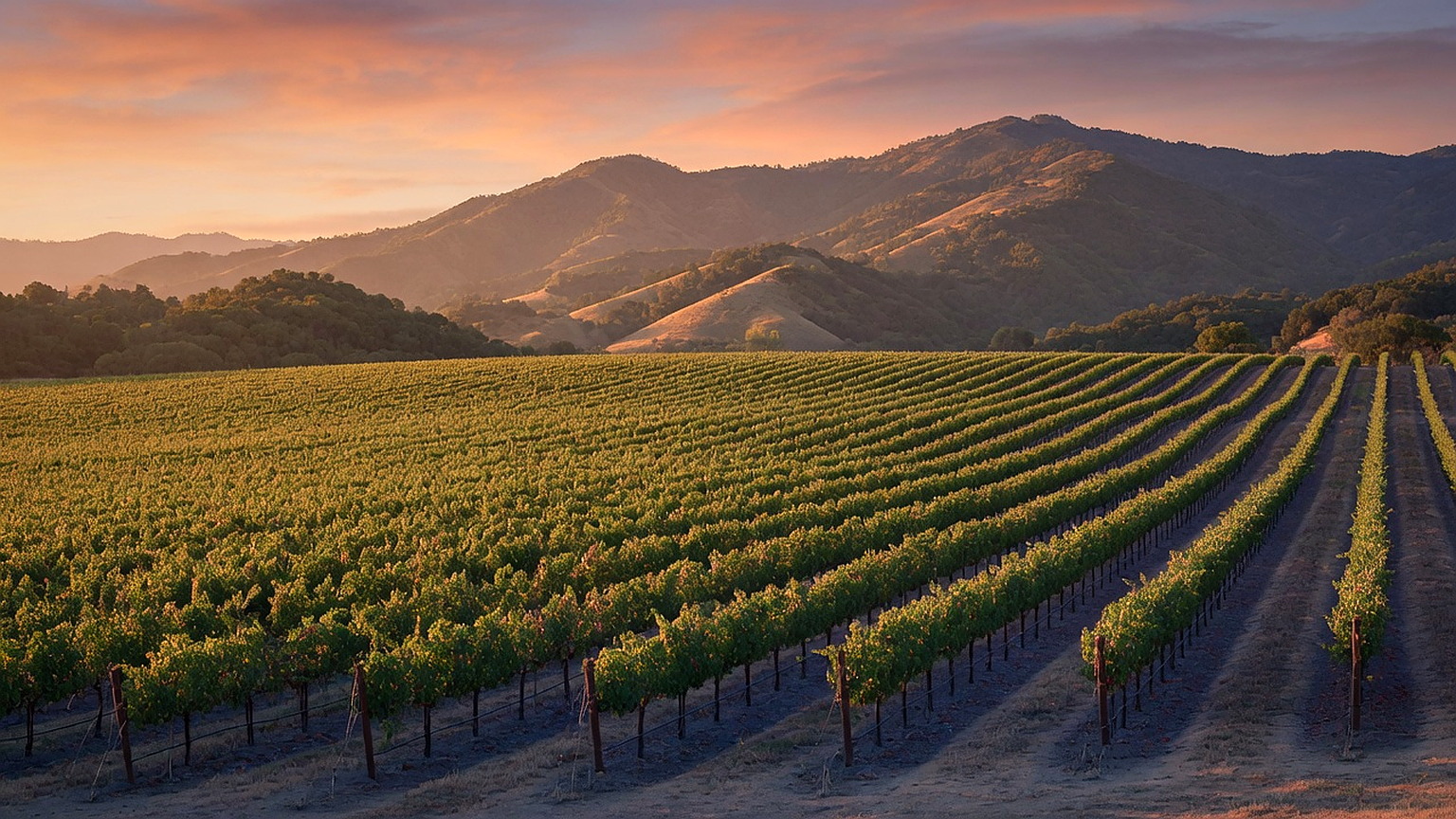
Matt Hardin farms. Thomas Rivers Brown makes the wine. Caterwaul is their Napa project, built on fruit that often starts life for much more expensive bottles.
The wine
Barrel fermented, 15 months on lees, 25 percent new French oak from Latour. Early reductive work keeps the citrus and flint tight.
The glass
Meyer lemon, creme fraiche, flint, stone fruit, lanolin mid-palate, a saline finish. Ready now, structured enough to hold a few years.
The drinker
Serve near 50 F. Roast chicken or seared scallops. Ready now, structured enough to hold a few years.
Meyer lemon, flint, and a saline line
The house writes full-bodied aromatics of Meyer lemon, creme fraiche, and flint, then fresh-cut stone fruit and a mineral finish touched with salinity. Soft-toasted vanilla from 25 percent new Latour.
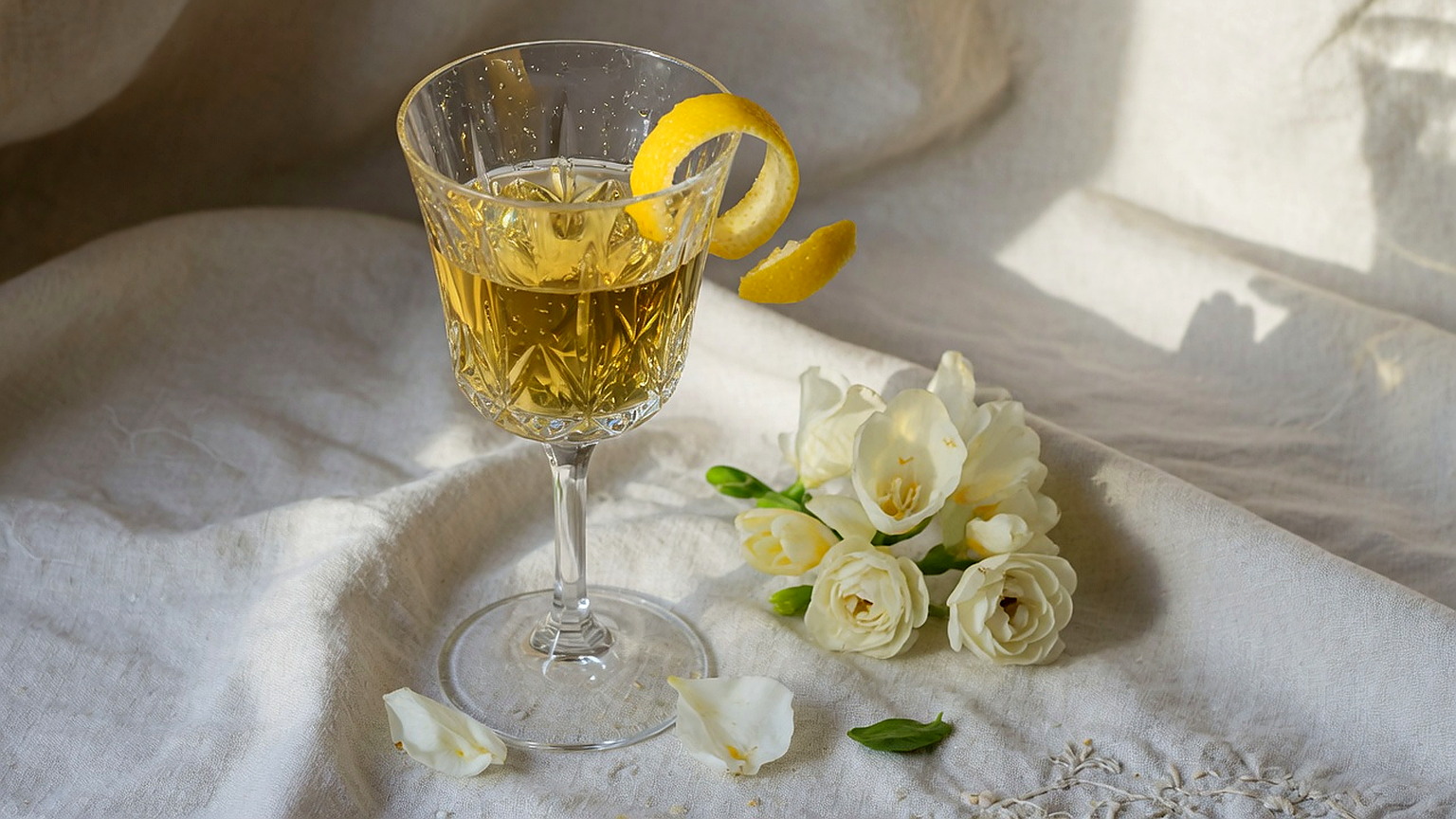
A Napa year with winter rain then a long, even season. The 2024 Chardonnay is built for freshness now and a few years in bottle.
Meyer lemon, creme fraiche, flint, stone fruit, soft vanilla.
Barrel fermented, 15 months on lees, 25% new Latour oak, saline mineral line.
Mineral, saline. Serve near 50 F. No long decant.
Lees, Latour, and a reductive start
Caterwaul's own notes are barrel fermented, 15 months on lees, 25 percent new French oak from Tonnellerie Latour. Early reductive work keeps Meyer lemon and flint tight so the oak stays a seasoning. Thomas Rivers Brown is in the cellar. Matt Hardin is in the vines. That split is the wine.
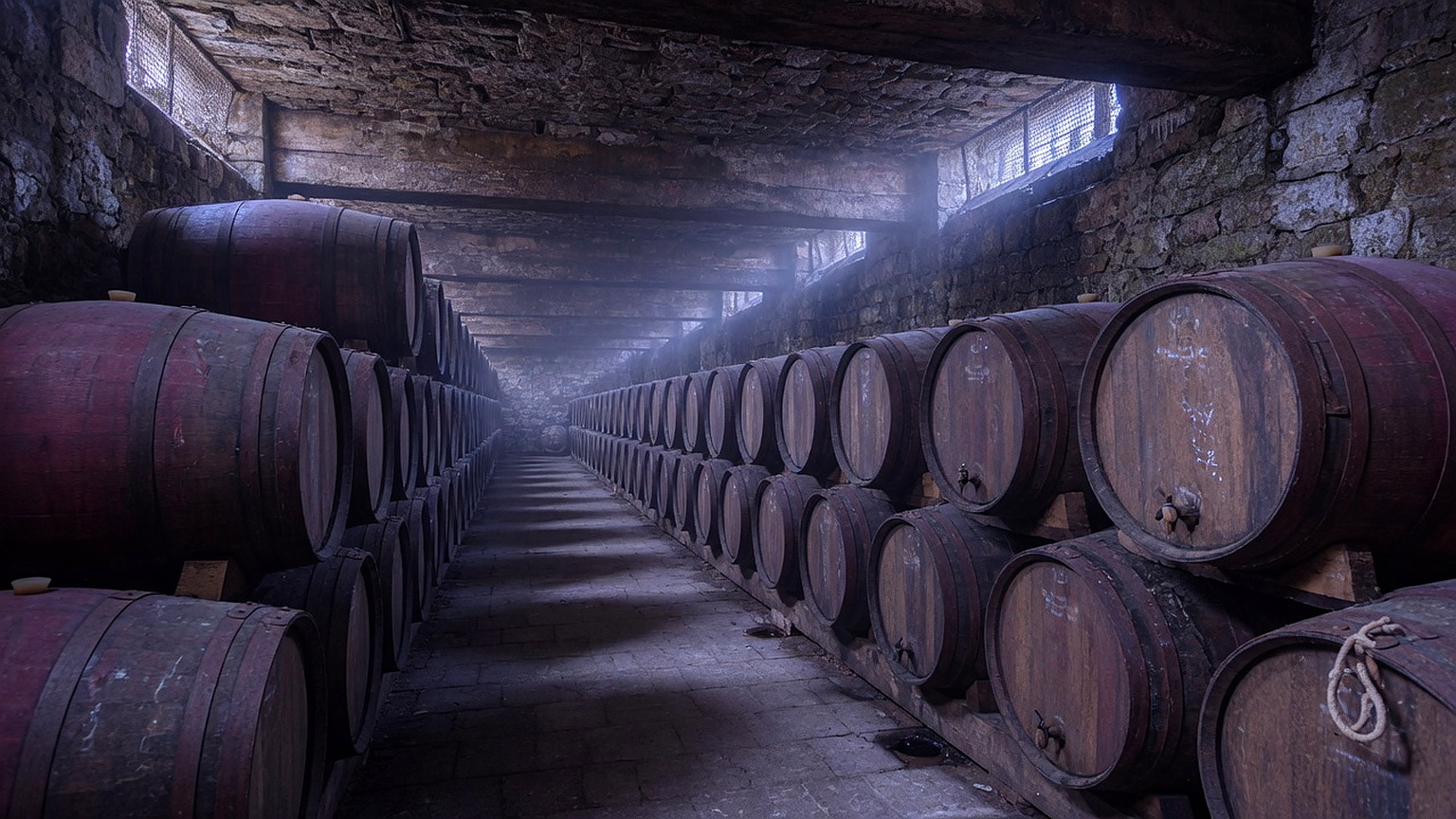
Brown came up at Turley, then Schrader, then a stack of 100-point Cabernets. Caterwaul is the same hand on Napa Chardonnay: citrus first, oak second, a saline line that wants a cold glass.
Serve near 50 F. No long decant. A Burgundy glass if you have one.
A farmer and a 100-point cellar
Hardin grows it. Brown bottles it.
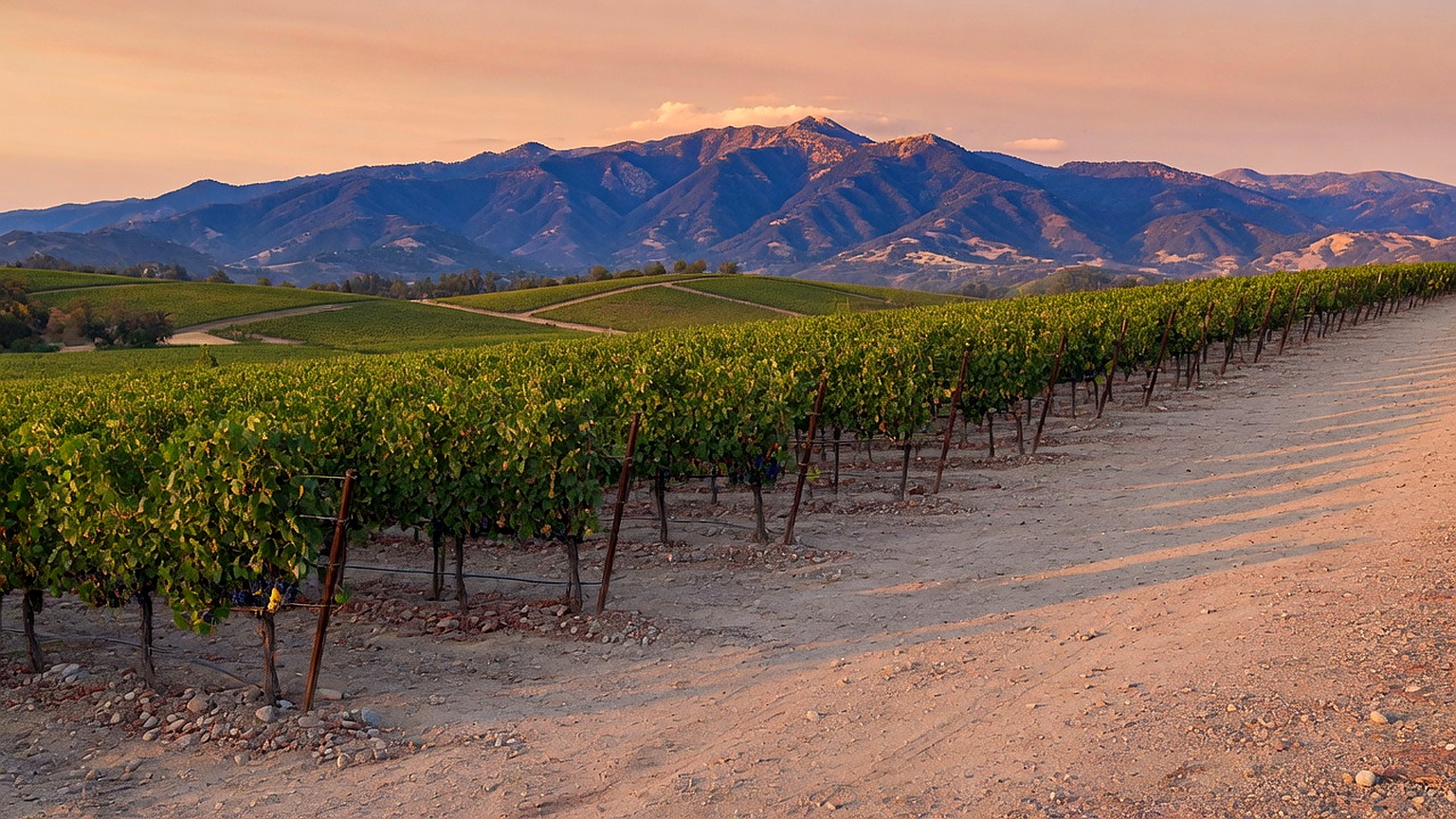
Matt Hardin is a sixth-generation Napa farmer who runs Hardin Vineyard Management. Thomas Rivers Brown has more than sixty 100-point wines to his name, including Schrader.
Caterwaul started as their way to bottle Napa fruit that was too good to disappear into someone else's expensive blend.
The 2024 Chardonnay is that idea in white: Napa citrus, flint, and a saline finish.
Roast chicken, then scallops in the pan
Napa Chardonnay with flint and lemon wants roast bird and a hard sear on scallops, not a heavy cream sauce.
Two plates. One roast chicken. One pan of scallops. Both can take Meyer lemon and oak spice.
Serve near 50 F. No decant. A Burgundy glass if you have one.
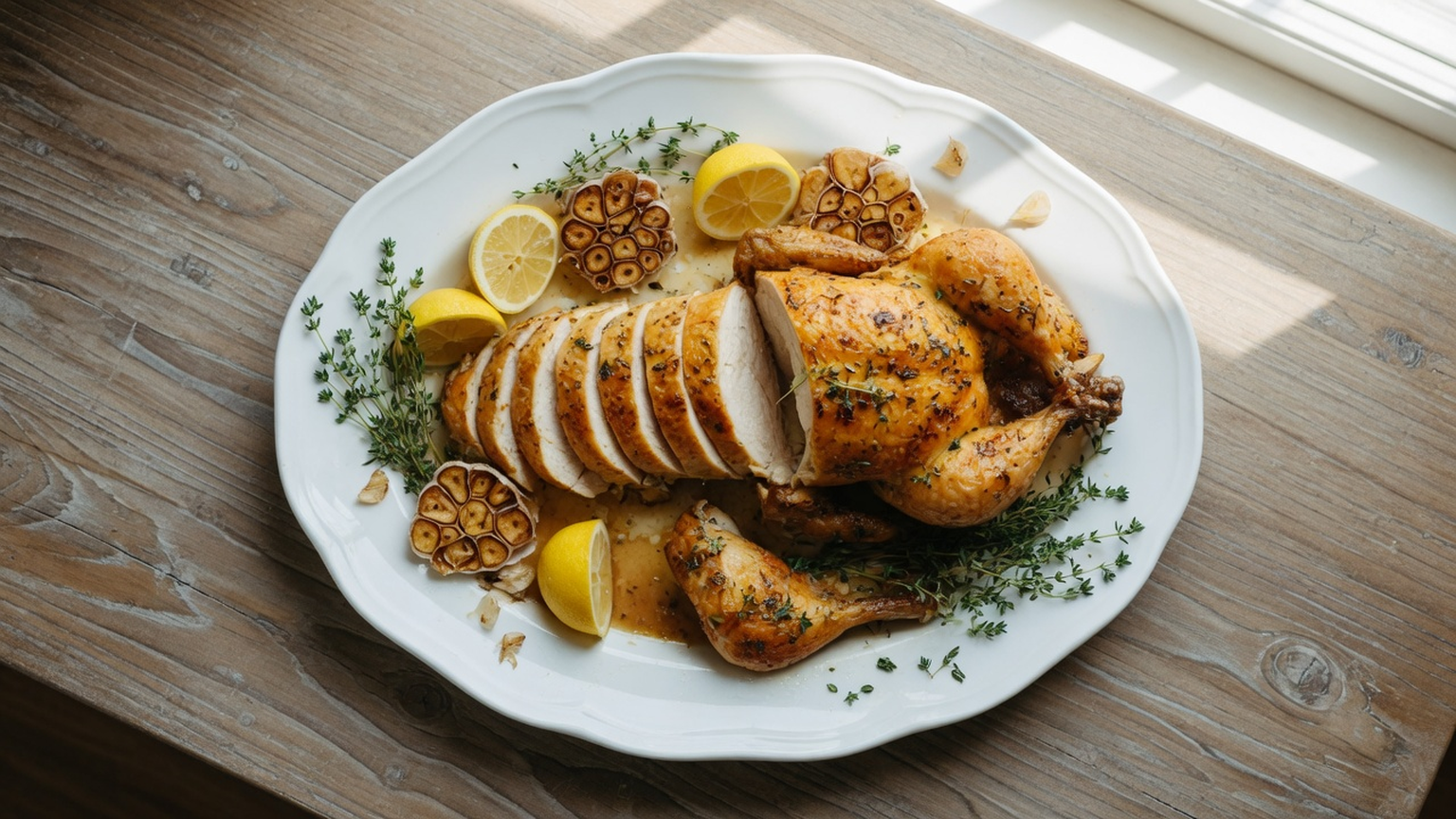
Roast chicken
A high-heat roast, lemon, thyme, garlic. The bird that Napa Chardonnay was built for.
Why it works: Roast fat and lemon echo creme fraiche and citrus while the wine's acidity cuts the skin.
View Recipe for The Food Lab's roast chicken (opens in a new tab)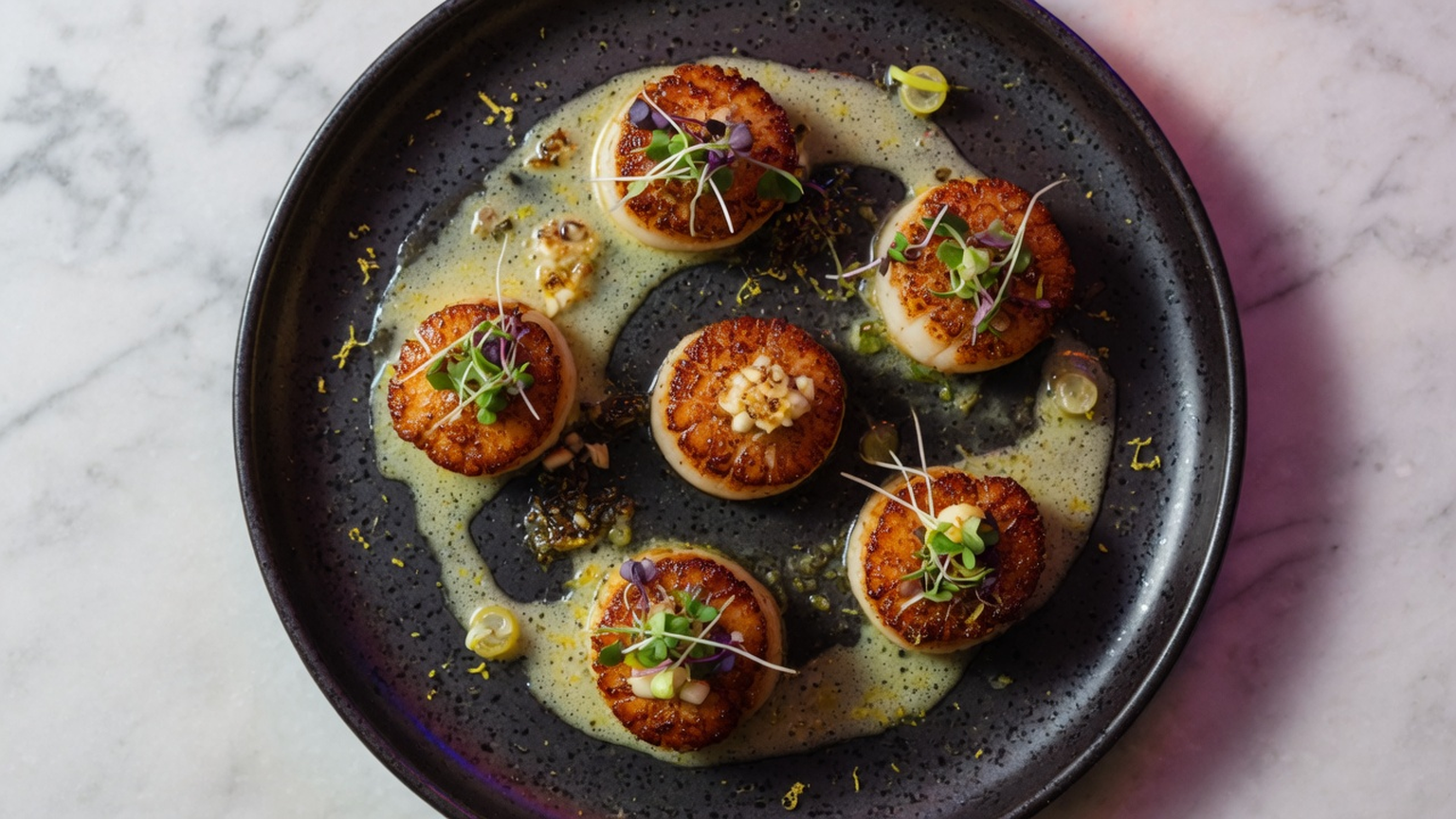
Pan-seared scallops
Hard brown crust, lemon butter. The flint in the wine meets the sear.
Why it works: Sweet scallop and browned butter match stone fruit while salinity in the wine stays upright.
View Recipe for pan-seared scallops (opens in a new tab)Open Brown's Chardonnay tonight
Hardin in the vines. Brown in the cellar. Meyer lemon, flint, thirty-nine dollars.
Put it in the cart. This is the Napa white that closes the proof without asking for Cabernet money.


