


Martin Ray estate spotlight
MartinRay Winery, the official house channel, walks a Russian River Laguna vineyard: clones, Goldridge soil, and the elevation that shapes this Chardonnay.

The market on this bottle
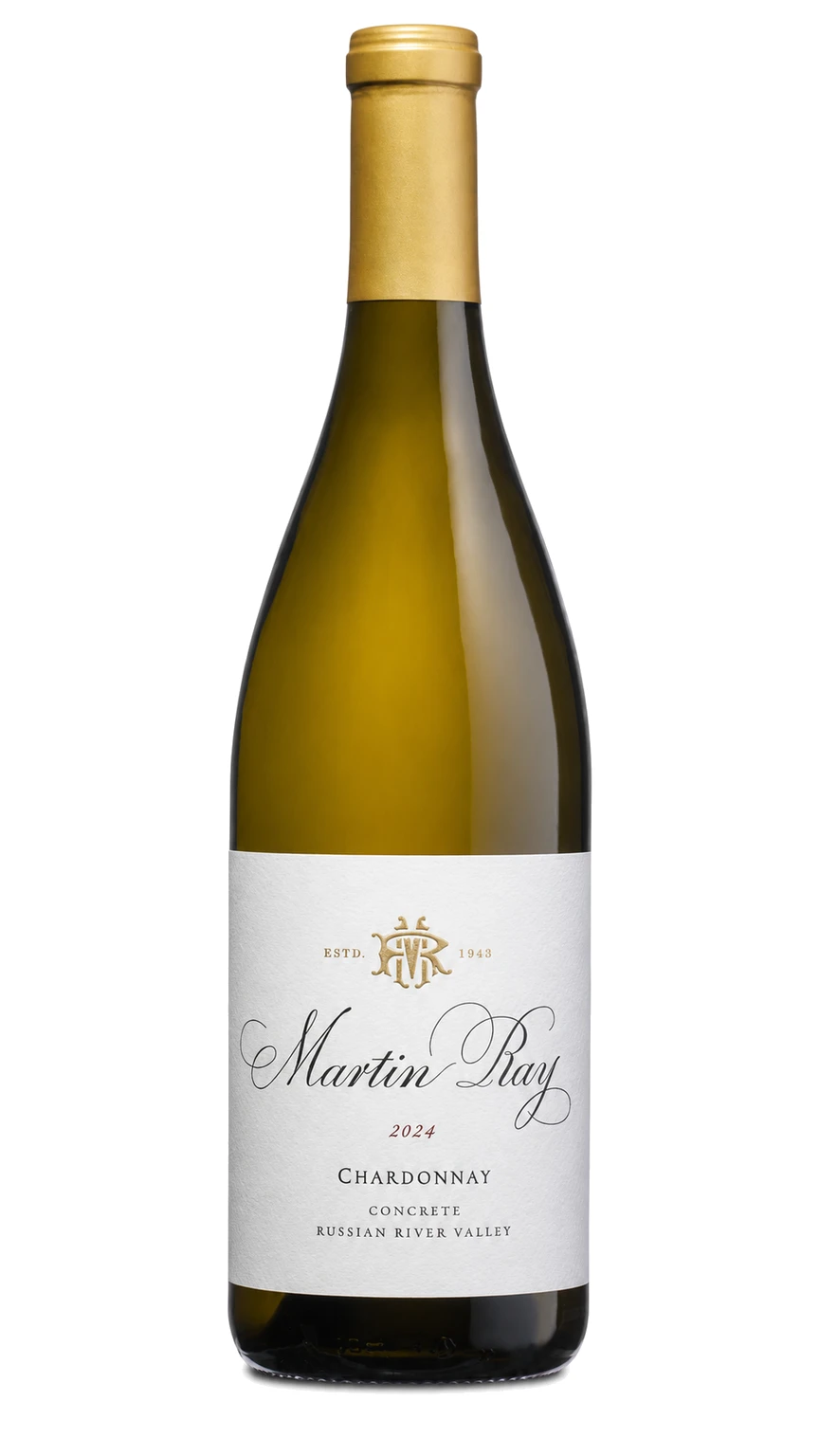
Wine-Searcher tracks this 2024 Martin Ray Concrete - Dutton Ranch Chardonnay Russian River Valley across the open market. Their published U.S. low is $25.16 and the average is $29.13. Our slash is $25.00.
2024 Martin Ray Concrete - Dutton Ranch Chardonnay Russian River Valley, USA
Leslie Renaud's Dutton Ranch Chardonnay, nine months in concrete eggs and no oak, a 93-point 2024 at twenty-five dollars.
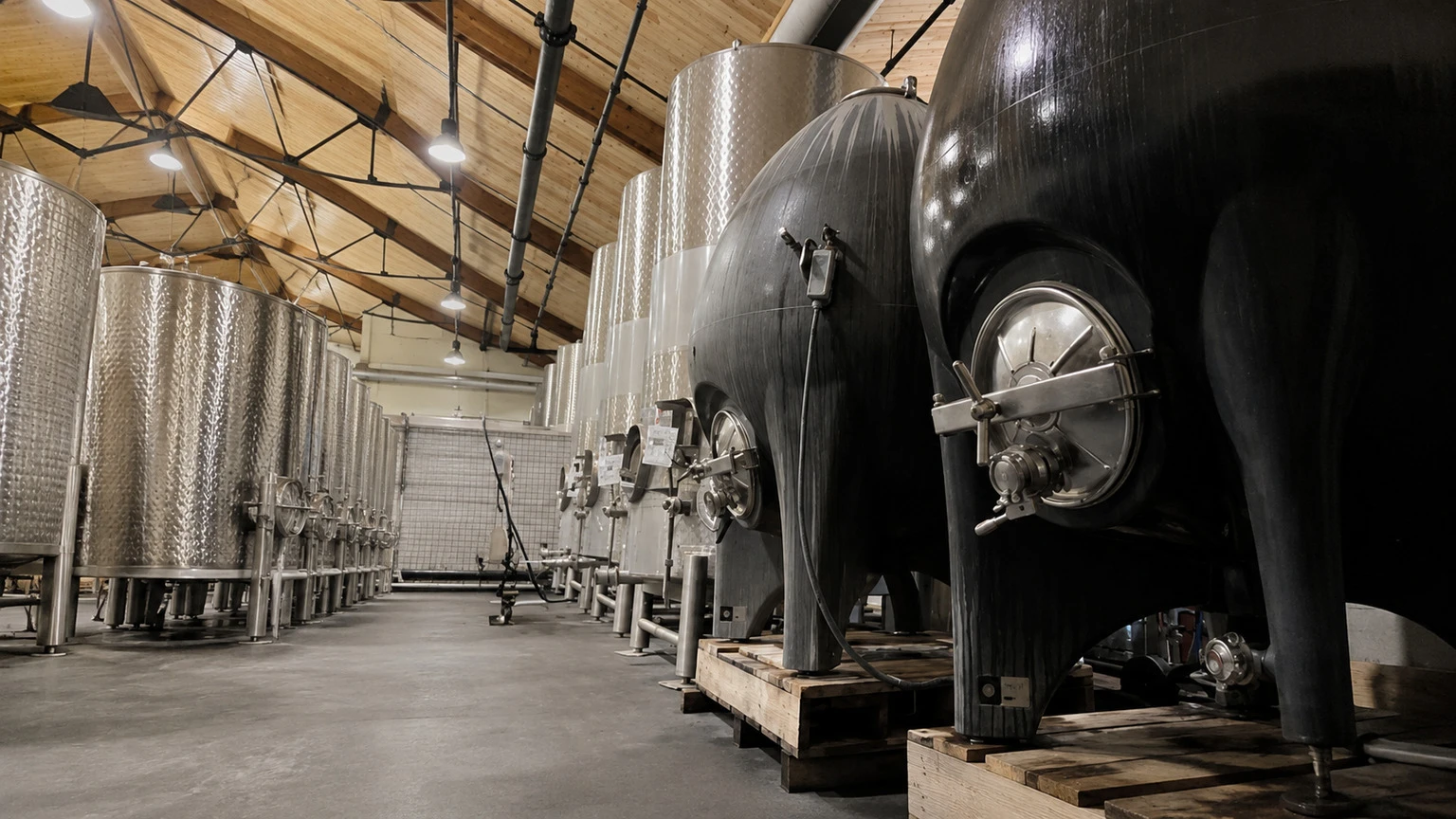
Whole-cluster pressed into 476-gallon concrete eggs, this Chardonnay spends nine months on its original lees without racking or malolactic fermentation. Citrus-bright, mineral, quietly creamy, now $25.
Four reasons concrete works here
The vessel, the vintage, and the restrained cellar approach all point toward shape without heaviness. This is Chardonnay that keeps citrus in focus.
Texture without oak makeup
Concrete permits gentle oxygen exchange while contributing no wood flavor. Rounded and polished without losing citrus and mineral detail.
Acidity kept in focus
A long, cool 2024 season slowed ripening, while blocking malolactic fermentation preserved a bright line through the wine.
Lees in constant motion
The egg shape creates natural convection, gently keeping fine lees suspended and building a fuller mid-palate without repeated cellar handling.
The drinker
Lime, pear, and oyster shell with scallops or roast chicken. Serve at 50 to 54 F. No oak to hide behind.
Citrus lift, mineral line, lees-built shape
The official notes move from vivid aromatics through a rounded middle to a savory, pastry-toned finish.
Martin Ray describes 2024 as a long, cool growing season that slowed ripening across the Russian River Valley. That measured pace preserved acidity and allowed nuanced aroma and texture to develop.
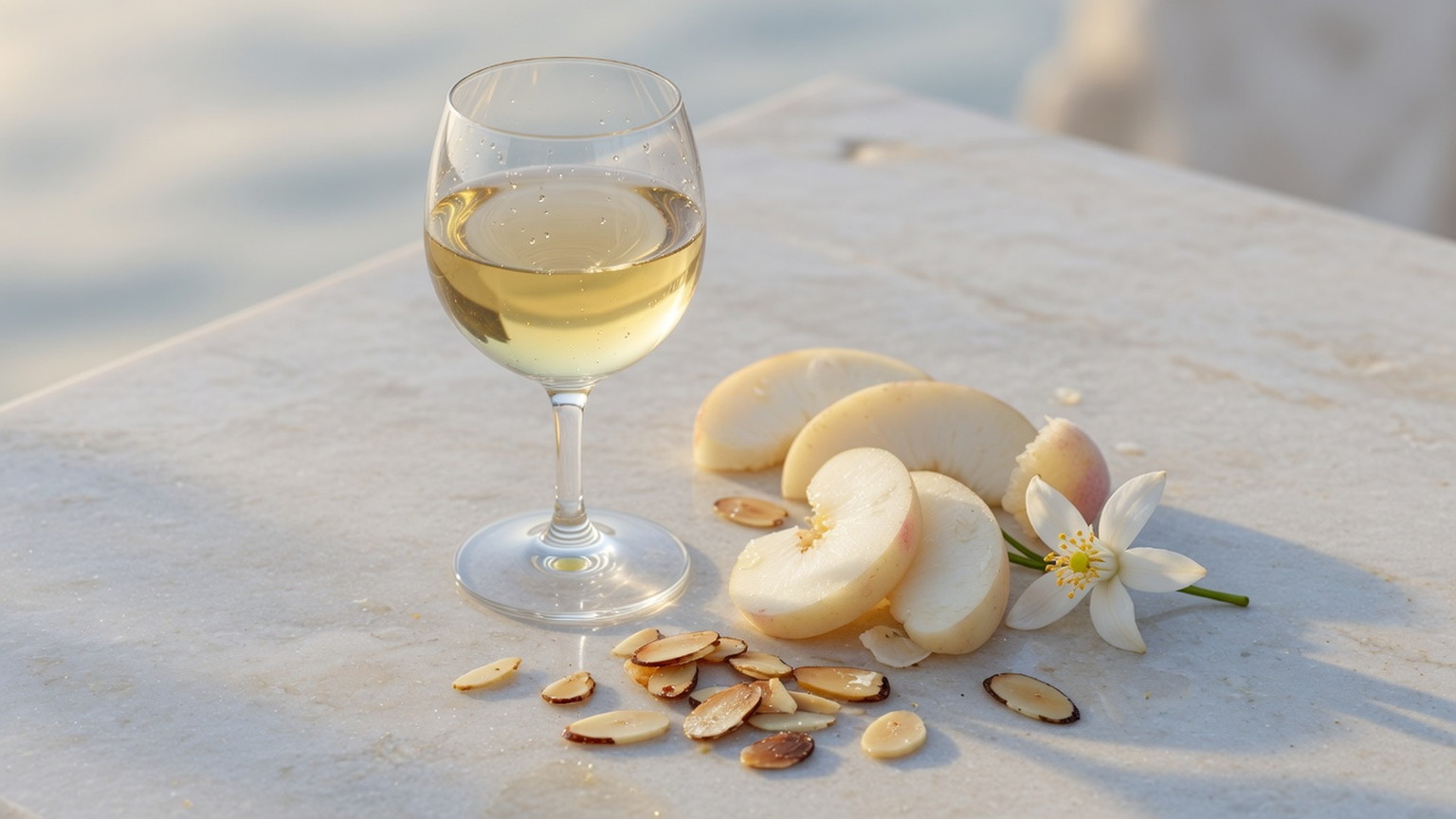
Kaffir lime leaf, lemon pith, Asian pear, and daphne blossom lead with a cool, citrus-scented freshness.
Underripe honeydew and lemon curd meet oyster-shell minerality, while suspended lees give the mid-palate a calm, rounded shape.
Almond pastry, Fiori di Sicilia, and nutmeg linger. Serve at 50 to 54 F and let the first glass warm for a few minutes.
Why the egg shape changes the wine
Martin Ray's concrete cellar account explains the vortex, the lees movement, and the choice to build texture without oak. Hand-harvested Chardonnay goes whole-cluster into the eggs.
Hand-harvested Chardonnay is whole-cluster pressed into the eggs, where native yeasts begin fermentation. The wine stays with its original lees rather than moving through a sequence of vessels.
Martin Ray's cellar account describes concrete eggs about twelve feet high, while its current education sheet identifies 476-gallon vessels. Their curved form drives natural convection, keeping lees suspended and filling the mid-palate without adding oak flavor.
The wine remains on its original lees for nine months, is never racked, and does not undergo malolactic fermentation. Thick concrete walls moderate temperature, while the absence of MLF protects the wine's citrus and mineral edge. Alcohol 14.5%. Winemaker Leslie Renaud.
From a Saratoga original to a Russian River cellar
The Martin Ray story connects one of California's early place-first labels to today's concrete Chardonnay.
Martin Ray made his name between 1943 and 1972 by bottling single-varietal, region-specific wines from the Santa Cruz Mountains. Mentored by Paul Masson, he pursued a Burgundian idea that place should speak clearly through Chardonnay and Pinot Noir.
Courtney Benham rediscovered the Martin Ray label after finding 1,500 forgotten cases in a San Jose warehouse. He acquired the brand in 1990, then moved its winemaking home to a twelve-acre Russian River Valley estate in 2003.
The concrete Chardonnay program began with Dutton Ranch's Mill Station Vineyard and four egg-shaped vessels added across 2017 and 2018. That experiment still defines the glass: bright Russian River fruit, sustained lees contact, and texture without an oak signature.
Two plates for citrus, lees, and mineral drive
Both pairings echo the wine's rounded center while giving its bright acidity something rich to refresh.
Two plates. One sear of scallops. One roast chicken. Both can take citrus, almond, and a creamy mid.
Serve at 50 to 54 F. No decanter is needed; a few minutes in the glass will let the citrus and lees tones widen.
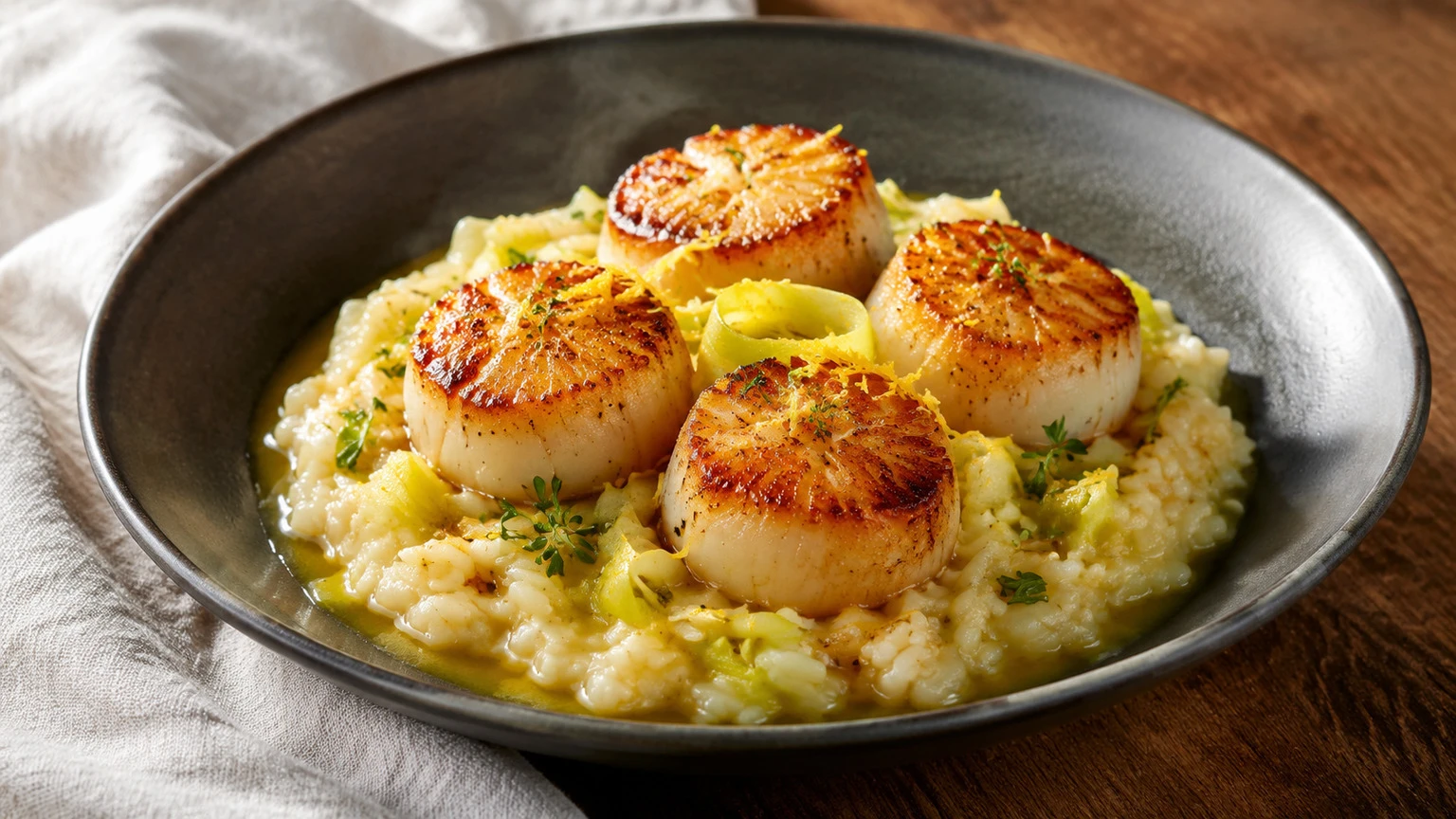
Seared sea scallops with leek risotto
Sweet scallops and creamy risotto mirror the wine's lees-built texture, while browned butter brings out its almond-pastry finish.
Why it works: Lemon and bright acidity cut through the butter, and oyster-shell minerality makes the seafood connection feel effortless.
View Recipe for Seared Sea Scallops With Leek Risotto (opens in a new tab)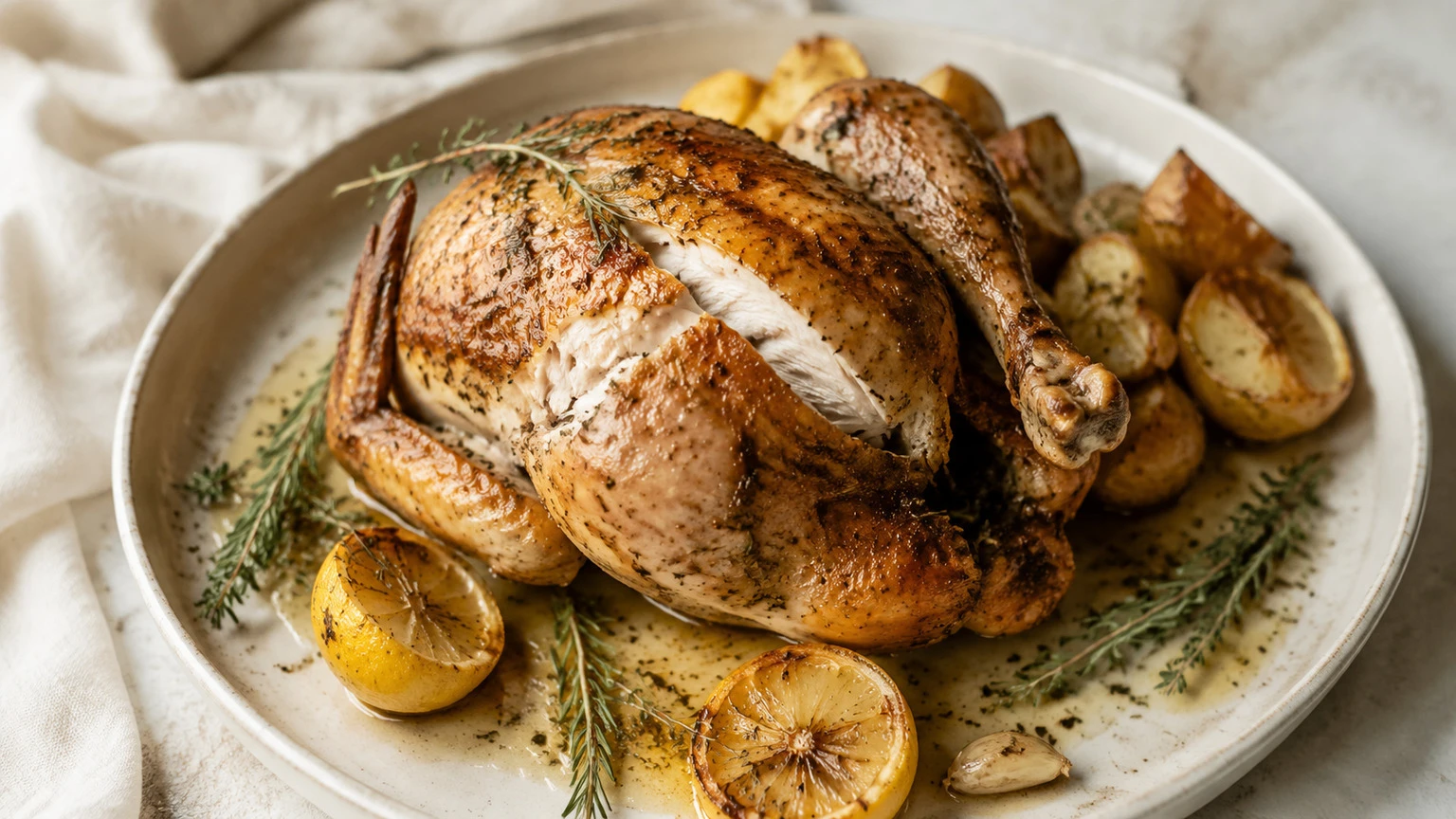
Herb and lemon roasted chicken
Roasted chicken gives the wine enough savory weight, and the herbs draw out its floral and nutmeg tones.
Why it works: Lemon follows the Chardonnay's citrus line, while crisp skin meets a rounded texture that never turns heavy.
View Recipe for Herb and Lemon Roasted Chicken (opens in a new tab)Buy it for the texture, pour it for the lift
This is a method-driven Chardonnay whose citrus energy keeps every lees-built curve in focus.
Choose the bottle that lets mineral clarity and lees-built shape speak for themselves. Put it in the cart at twenty-five dollars.
