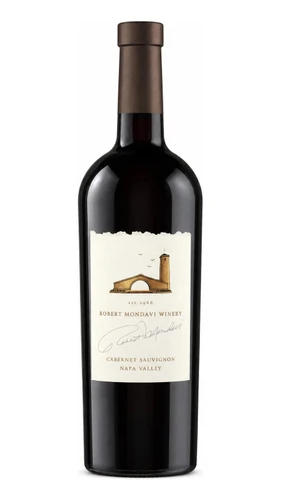
2019 Ovid Napa Valley Red Wine 375ML Half-Bottle, Napa Valley, USA
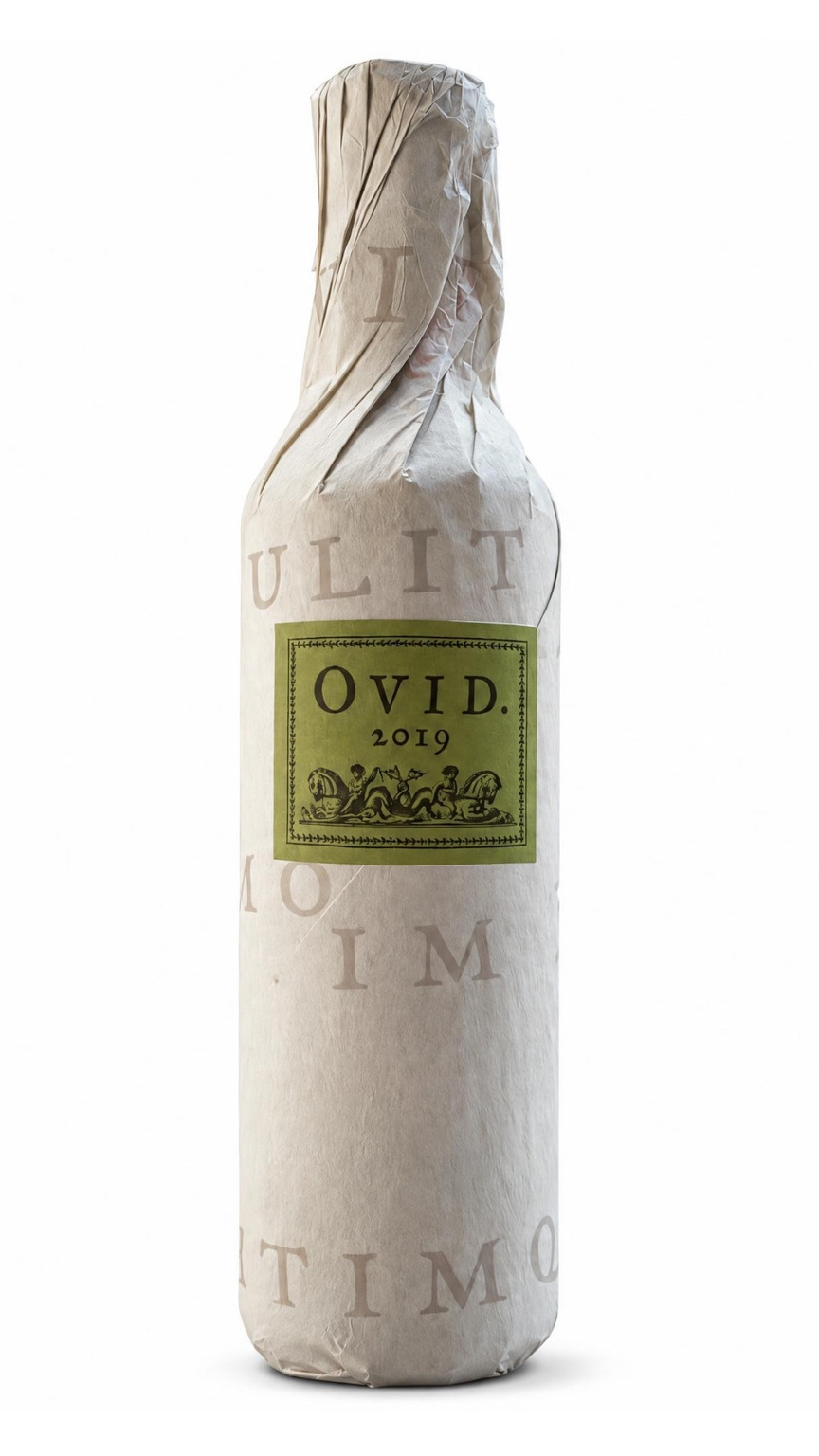

Wine-Searcher tracks this 2019 Ovid Napa Valley Red Wine for United States retailers.
100 Jeb Dunnuck
2019 Ovid Napa Valley Red Wine 375ML Half-Bottle, Napa Valley, USA
Jeb Dunnuck and Decanter both scored this Ovid 100!
Jeb Dunnuck tasted black and blue fruit, spring flowers, chocolate, burning embers, and bouquet garni, then a full body whose tannins build toward the finish, and he set the drinking window at 2027 to 2047.
Jonathan Cristaldi, writing for Decanter, finds mulberry stained with mineral and green tobacco, tannins that come in ripe and chewy and then soften, and he calls it "a pedigreed wine characterised by balance, intensity, and complexity."
Dunnuck and Decanter have both marked this wine 100. What are you waiting to open?
"The hill is in the glass. The bottle is the half."
The half-bottle is only $150. Add it.
Twelve of these 375ML Half-Bottles ship free in the lower 48. Hawaii and Alaska ship on the zone rate.
99, 98, and 97
Lisa Perrotti-Brown scored this wine 99 for The Wine Palate. The color is deep garnet-purple, and the wine stays shy until it is woken up. Then black fruit stacks with savory earth on firm ripe tannins, and the finish runs long and mineral. She treats it as one of Ovid's finest, with 25 or more years in the cellar.
James Suckling scored it 98. Roses, lavender, violets, and blackcurrant come with a sweet lift, the body sits medium to full, and the tannins run long and racy from the front of the palate to the back. He calls the wine beautiful and graceful, and still structured, and he says the best of it arrives after 2028.
Vinous scored it 97. That note opens on dark Cabernet fruit, then leather, lavender, spice, tobacco, and incense, with tannins notably fine for a young mountain wine. Dunnuck's window runs from 2027 to 2047, and Cristaldi's runs through 2060.
Mulberry, then bay
The estate's note on this 2019 starts with ripe mulberry and bay laurel, then cassis, a red tobacco leaf, boysenberry, fresh plum, and cerise, with iodine at the edge. They call the wine taut. Balance is the word they keep, and freshness is what the glass is for.
A published review of this 2019 lists the alcohol at 14.8%. It gives the blend as 68% Cabernet Sauvignon, 22% Cabernet Franc, 5% Merlot, and the rest Petit Verdot. Cabernet is the voice. The half holds that voice in a smaller bottle.
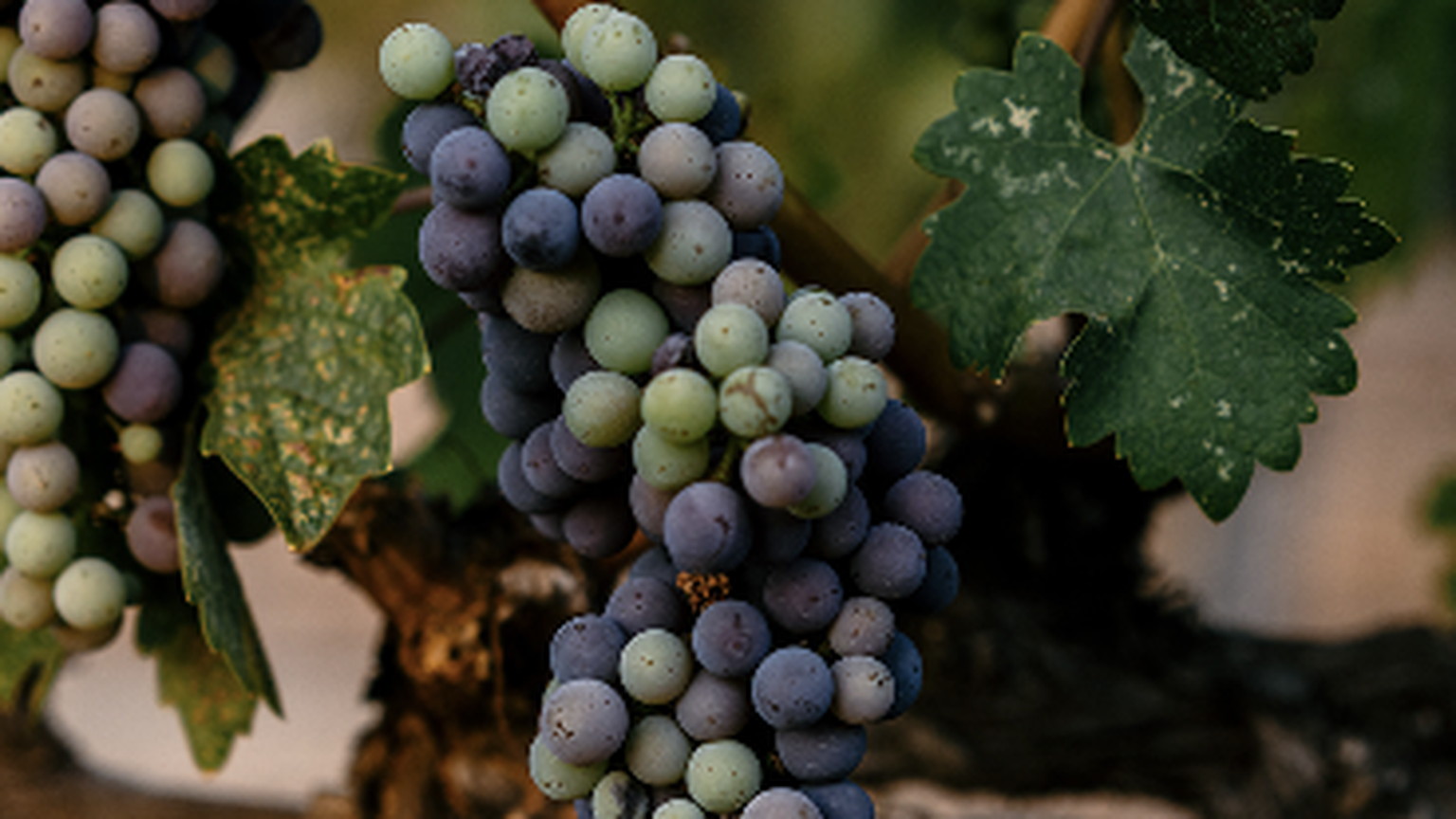
The cluster still on the vine is the fruit before those names. Dusty blue berries sit with pale green ones, and a spotted leaf hangs at the left. That fruit is what the cellar later tastes into the flagship, and what you pour from this 375ML Half-Bottle.
A poet, and a hill
Mark Nelson and Dana Johnson founded Ovid in 2000. David Abreu planted the vineyard. The Duncan family, through David Duncan of Silver Oak, has been a partner since 2017. The building on the hill is where that partnership still makes the flagship.
The name is Publius Ovidius Naso. Metamorphoses is the book they point to when they talk about change, grape into wine, and one vintage of this flagship into the next. The line they print, in their English, is partly the old familiar things and partly something wondrous and new.
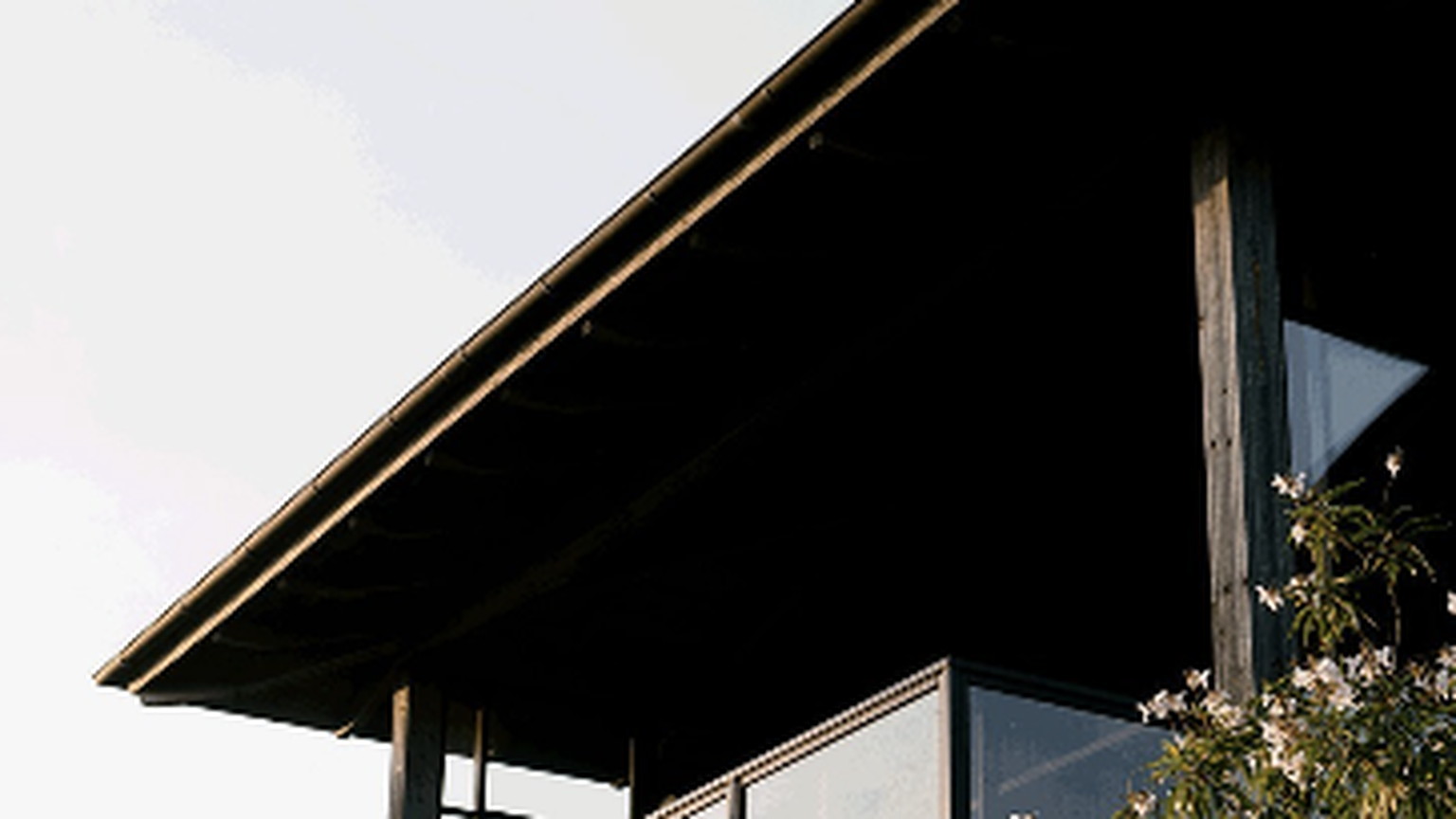
The old familiar thing is the hill. The new thing in your hand is the half. The house shows a deep wood eave, a weathered post, a glass corner, and white blossoms against a bright sky.
The blend is rebuilt
Austin Peterson joined in 2006 and has led the winemaking since 2010. He does not carry a recipe from one vintage into the next. After harvest, and again once the wine has spent time in barrel, he tastes the lots for the flavor that keeps returning. The blend is wherever that tasting lands.
He builds it from Cabernet Sauvignon, Cabernet Franc, Merlot, and Petit Verdot. Cabernet carries the Napa Valley name. The other three answer it. A neighbor series marked with an N is a different wine from other sites, made in this same cellar. This half is the flagship.
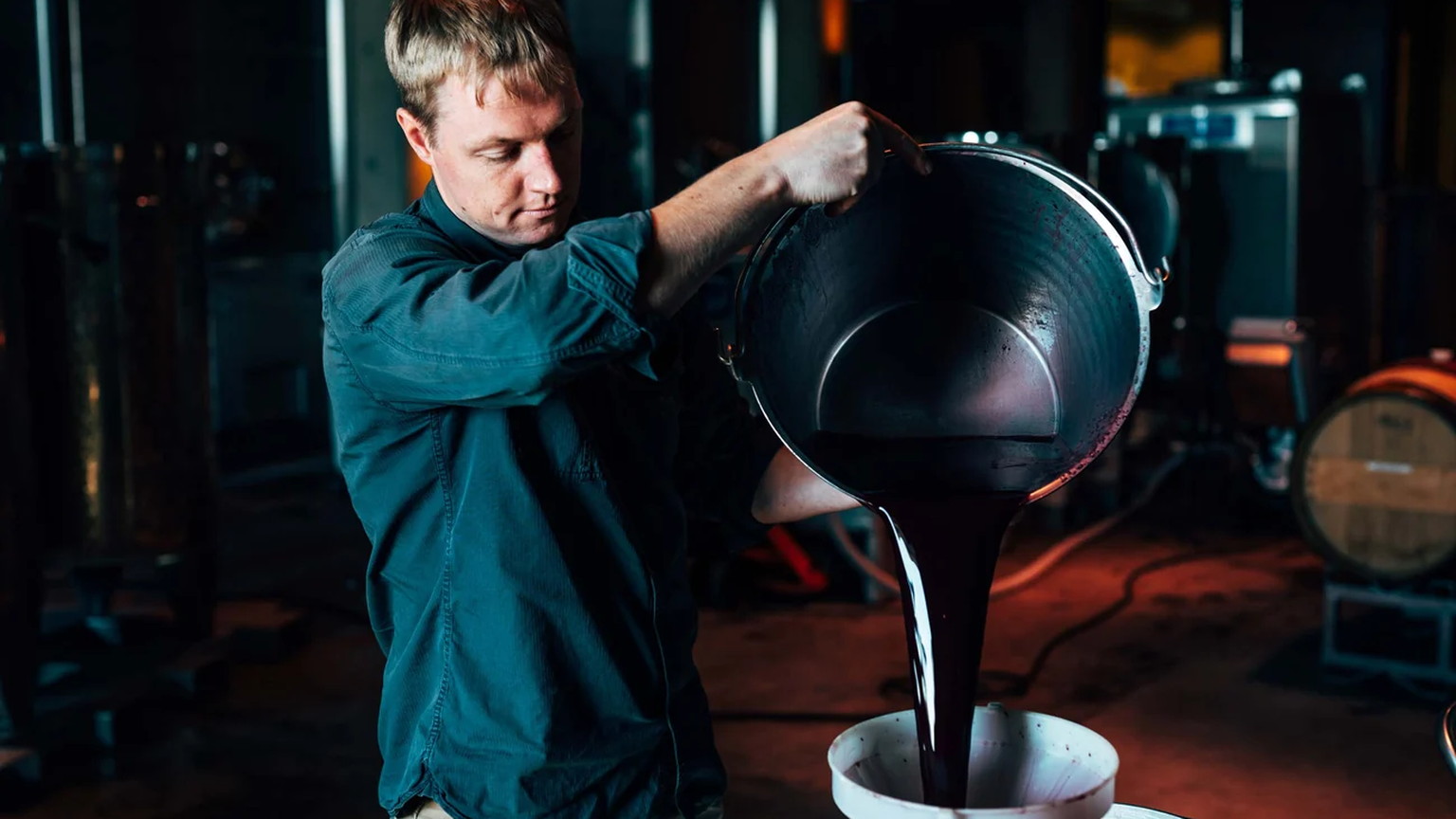
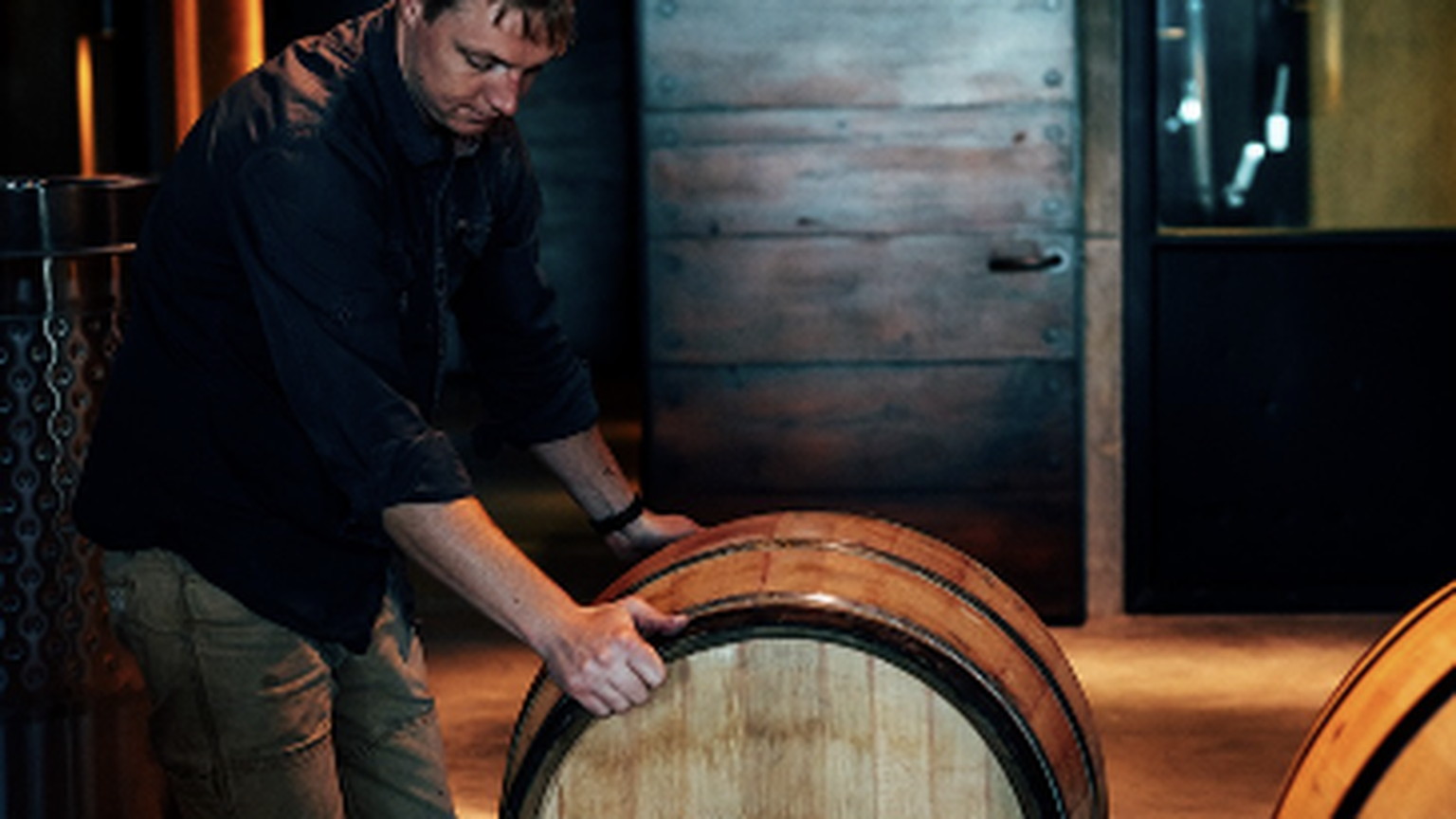
In the cellar a man in a blue shirt tips a steel bucket so the dark wine falls through a white funnel, a barrel waiting at the right. Another frame shows a man in a dark shirt and khaki pants gripping the head of a pale oak barrel beside a wooden door. Peterson rebuilds that shape every year, and the 2019 is the shape in this bottle.
Hambright, and the wind
About fifteen acres sit on volcanic Hambright, in thin topsoil, at about 1,349 feet on Pritchard Hill. The bay wind moves through the canopy up there. The farming is organic. That ground is the taut line under the mulberry.
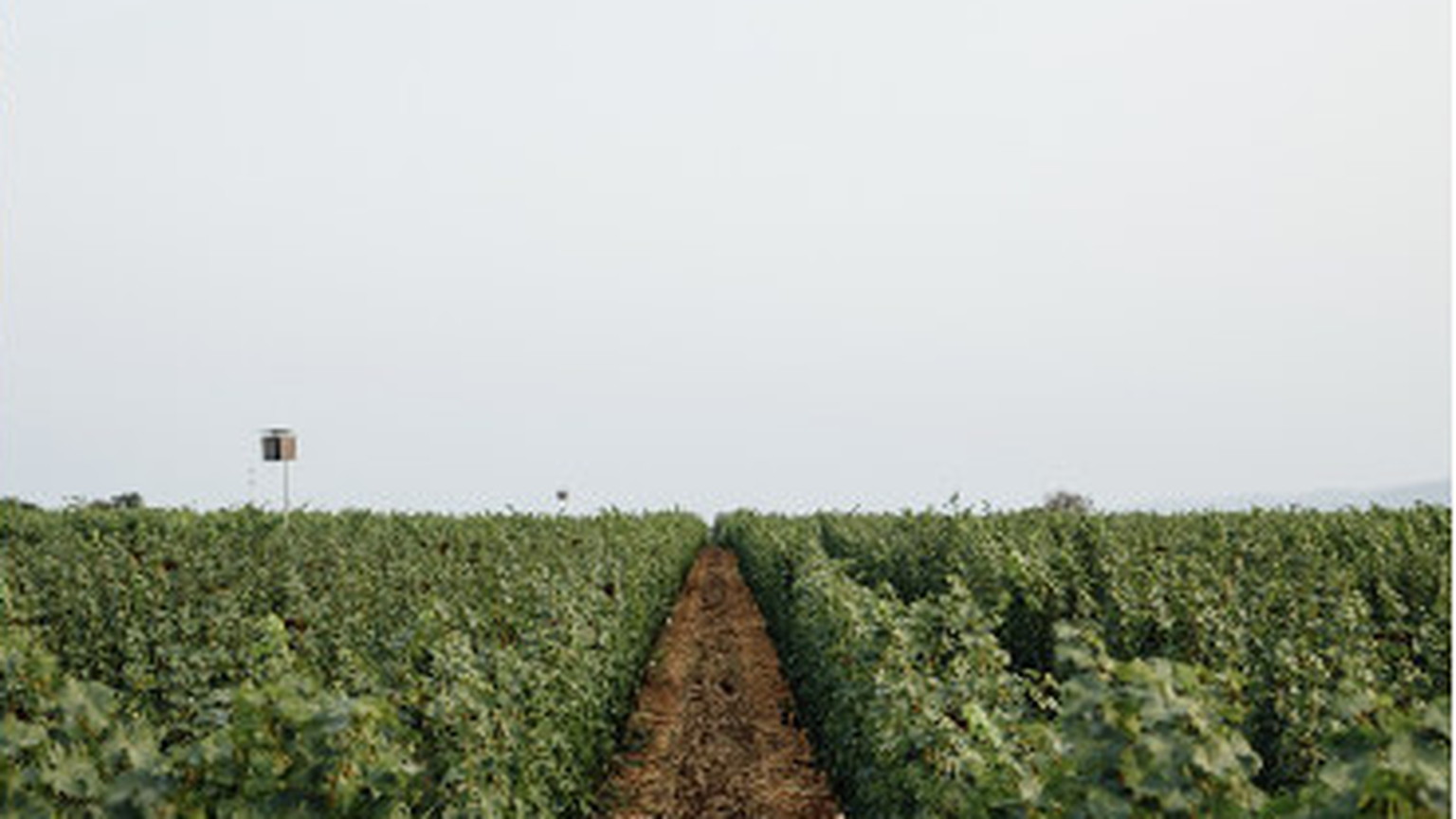
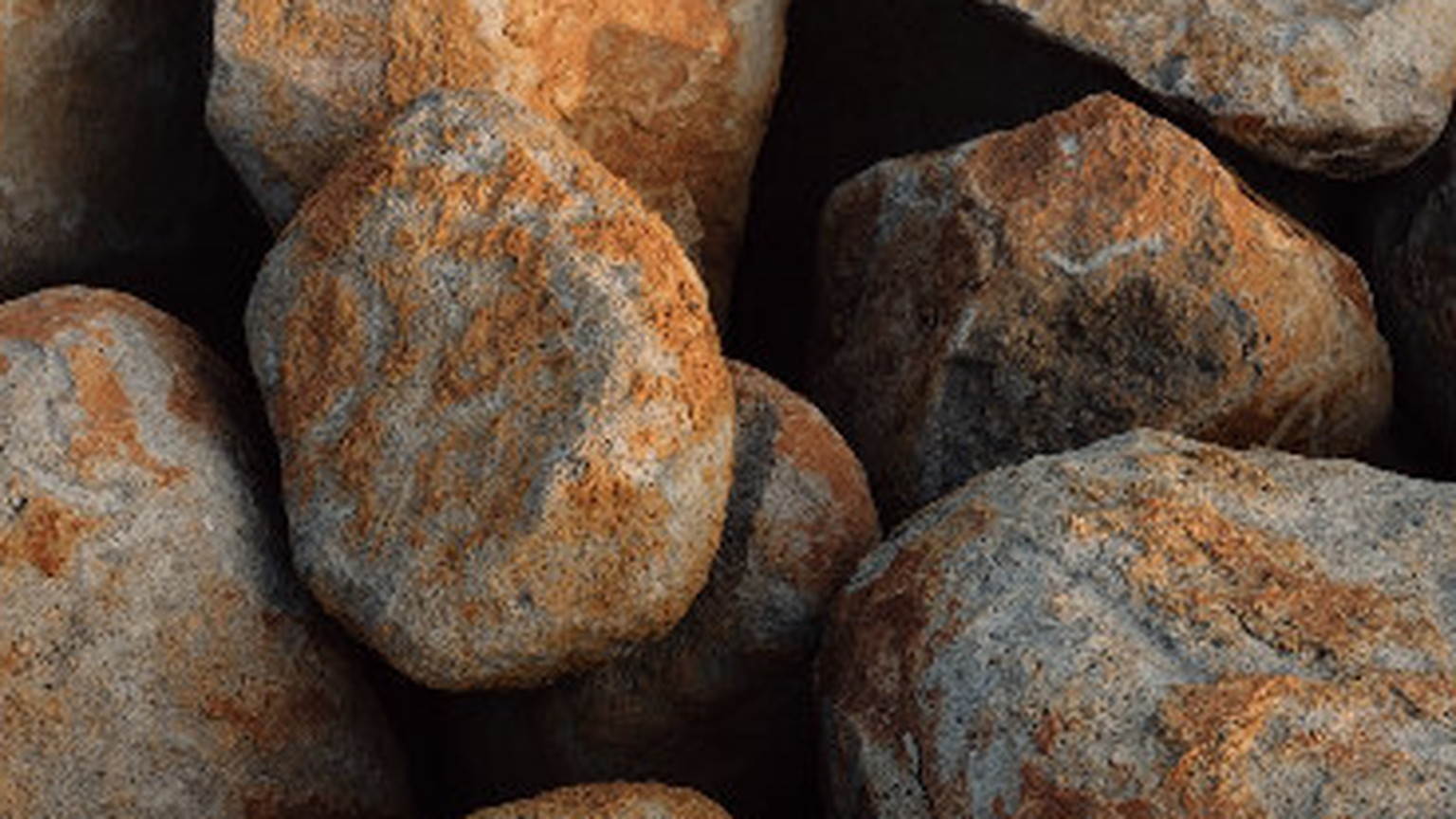
A brown dirt lane runs between dense green vines, and a birdhouse stands on a pole at the left. Under the rows the stones are rounded, orange rust worked into gray grain, packed tight.
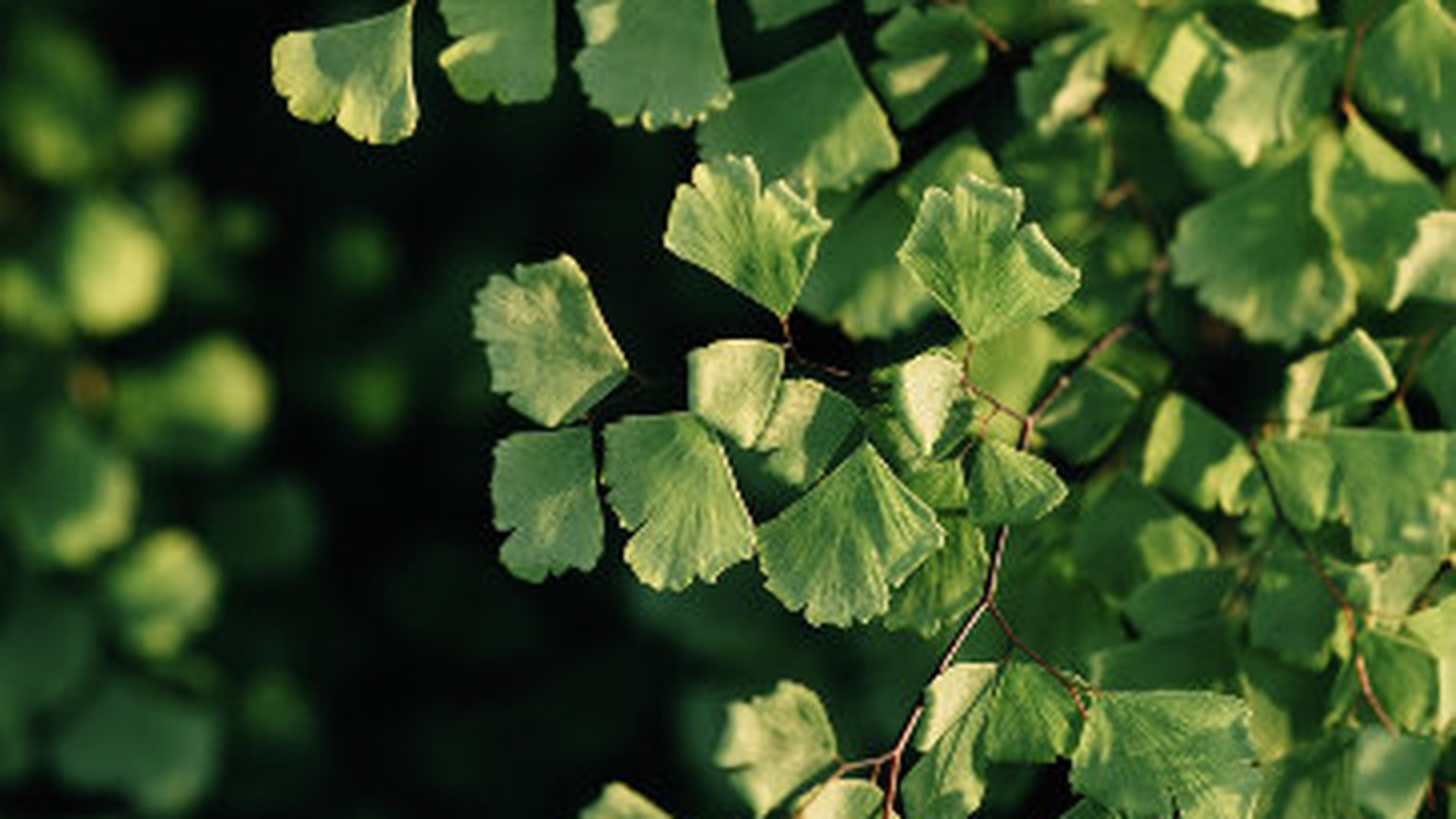
Maidenhair grows in that same light, fan shaped green leaflets on thin stems. You taste the hill as the iodine and the bay. The half is still that place, stopped at the 375ML Half-Bottle.
Ribeye, then spinach
A reverse-seared ribeye gives the mulberry and the boysenberry a dark crust to meet, and a pink center once the steak is cut. Creamed spinach sits with the bay laurel. Open the half while the steak rests.
Kenji starts a thick steak in a low oven and sears it only at the end. The spinach is wilted with shallot and garlic, then finished in a slow cream sauce. Salt on the board, cream in the skillet, and the 2019 between them.
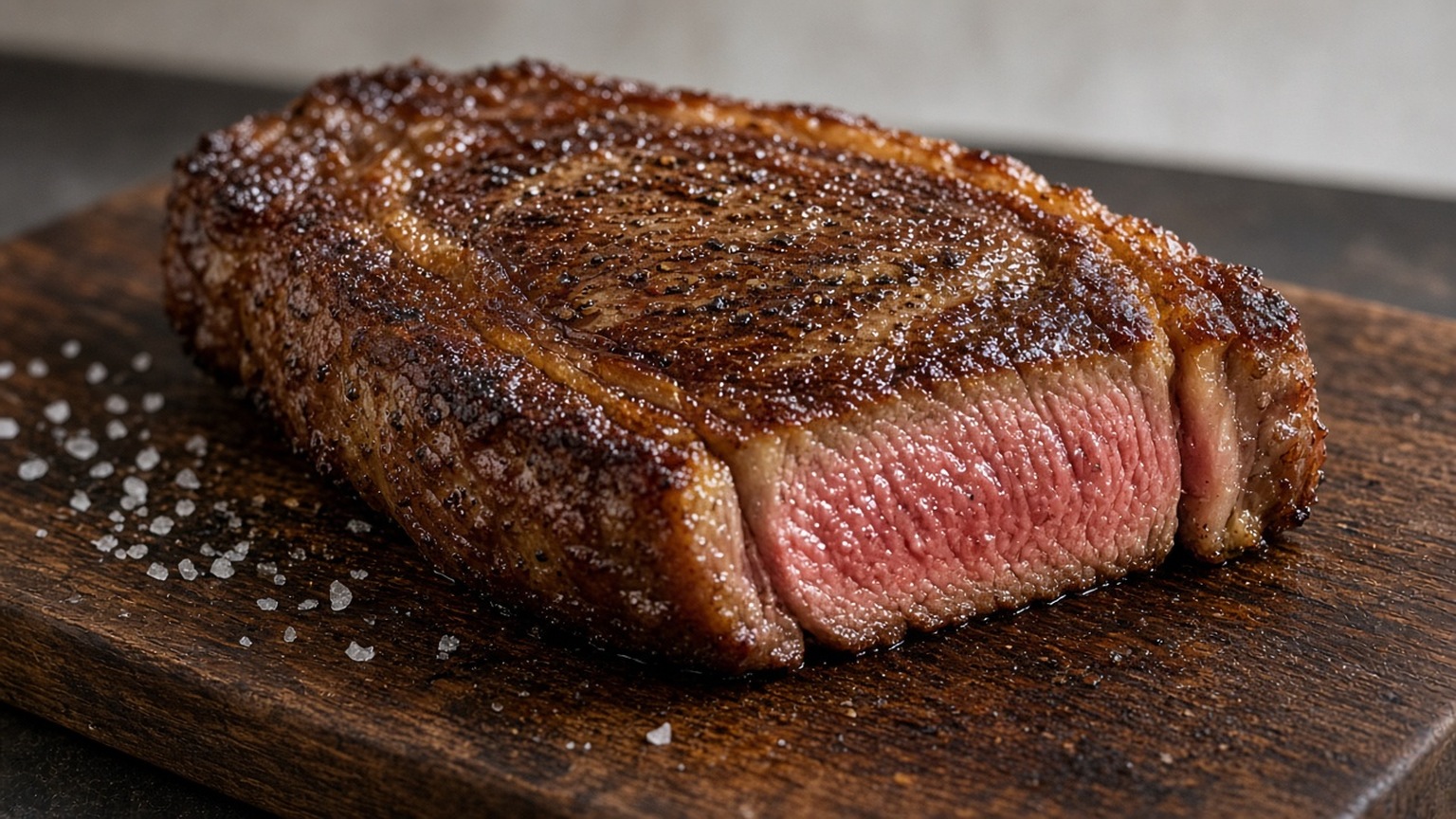
Reverse-seared ribeye
A thick steak starts in a low oven. The sear comes only at the end.
Why it works: The dark crust and the pink center meet the mulberry and the boysenberry.
View Recipe for Reverse-seared ribeye (opens in a new tab)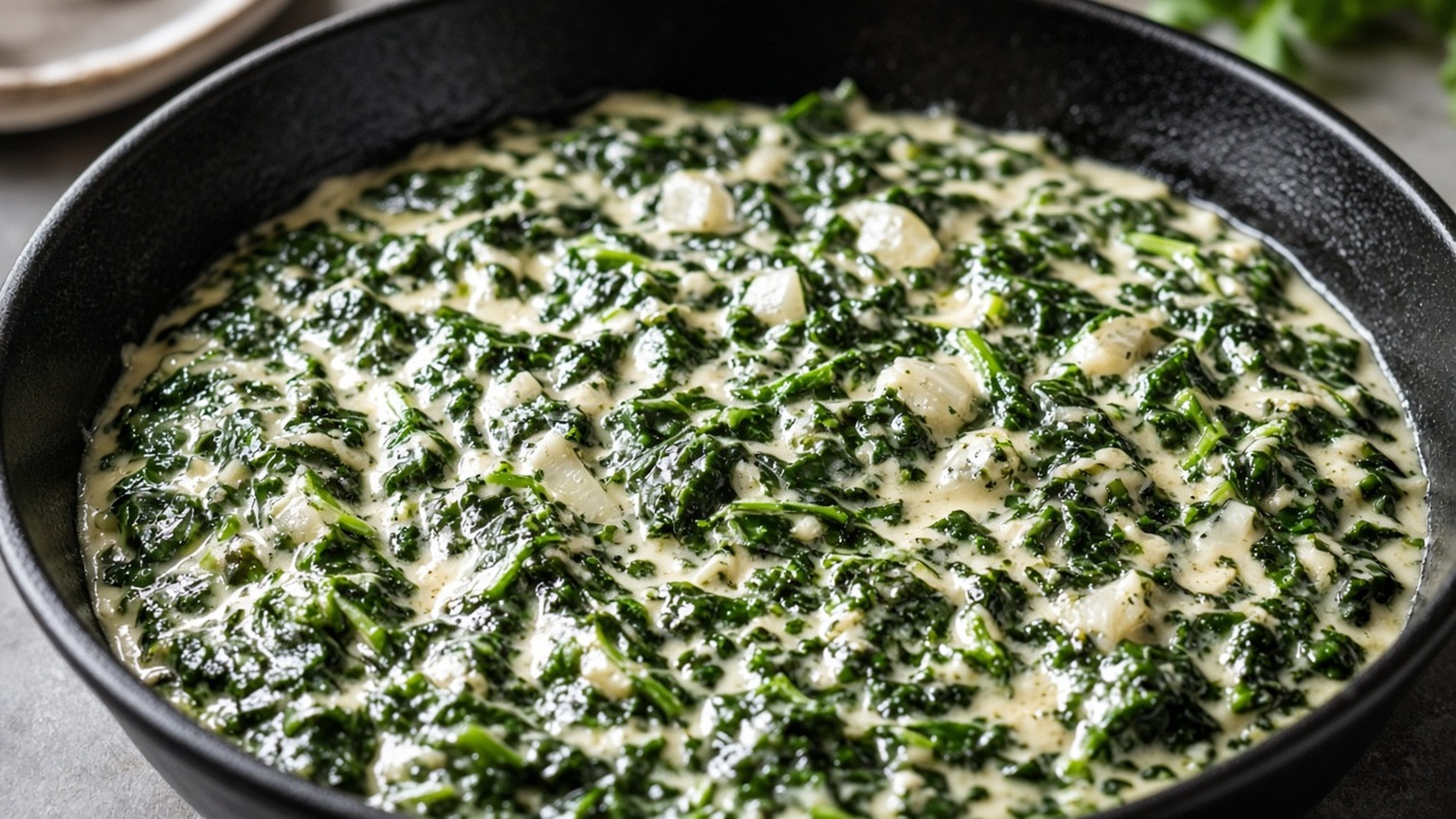
Creamed spinach
Spinach wilted with shallot and garlic, then finished in a slow cream sauce.
Why it works: Bay laurel wants a green savory side, and the cream is rich enough for this red.
View Recipe for Creamed spinach (opens in a new tab)Take the half home.
The hill is in the glass. The bottle is the half.
Dunnuck 100 and Decanter 100, with 99, 98, and 97 beside them. The winery price is $250. The half-bottle is only $150. Add it.