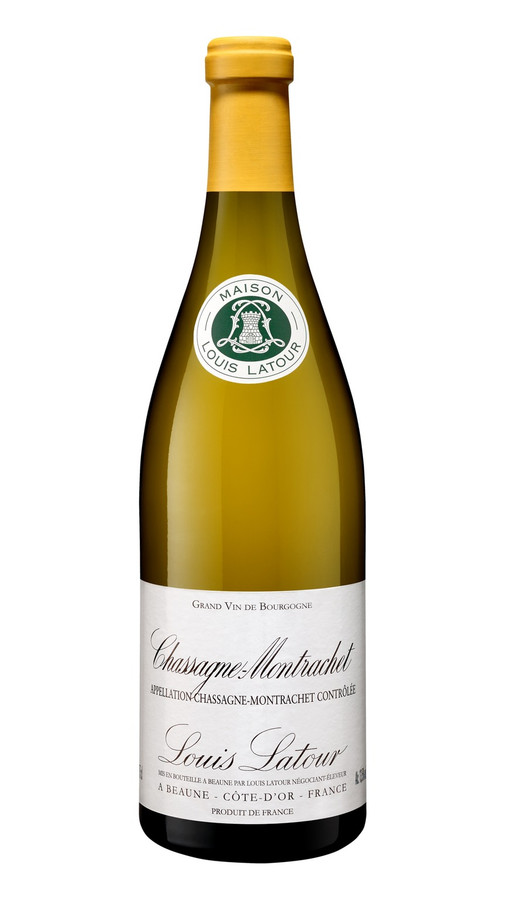
2024 Louis Latour Chassagne-Montrachet, Cote de Beaune, France
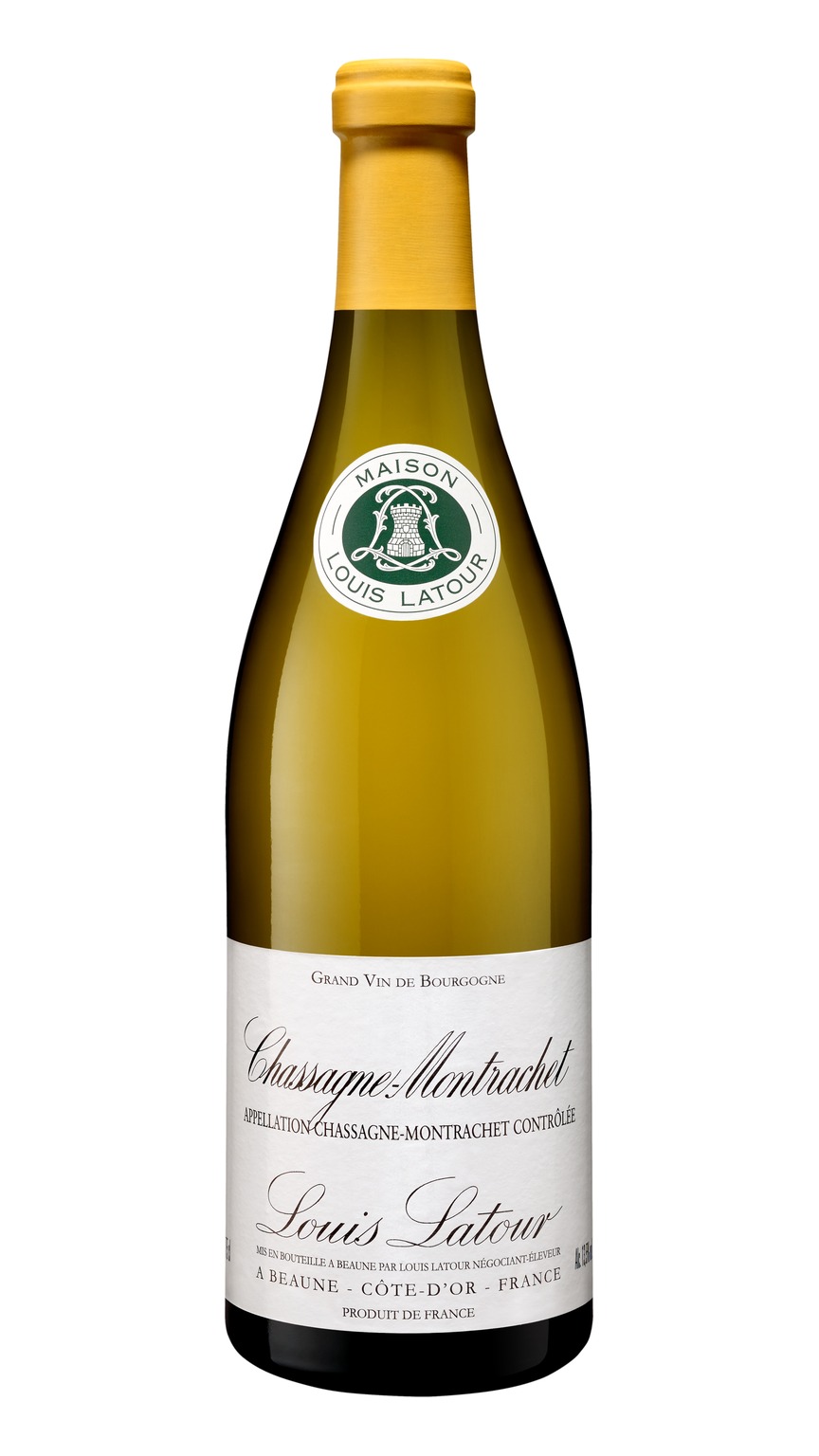

The market on this bottle
Wine-Searcher tracks this 2024 Louis Latour Chassagne-Montrachet, Cote de Beaune, France across the open market. Their published U.S. low is $98.81 and the average is $118.84. Our slash is $99.00.
Louis Latour • Chassagne-Montrachet • 2024
2024 Louis Latour Chassagne-Montrachet, Cote de Beaune, France
Village blanc. Chardonnay. Natural cork.
This is the village Chassagne-Montrachet blanc from Louis Latour, the white south of Puligny. Chalk and clay, hand picked, and a natural cork. The bottle is $99.
The village that took the name in 1879
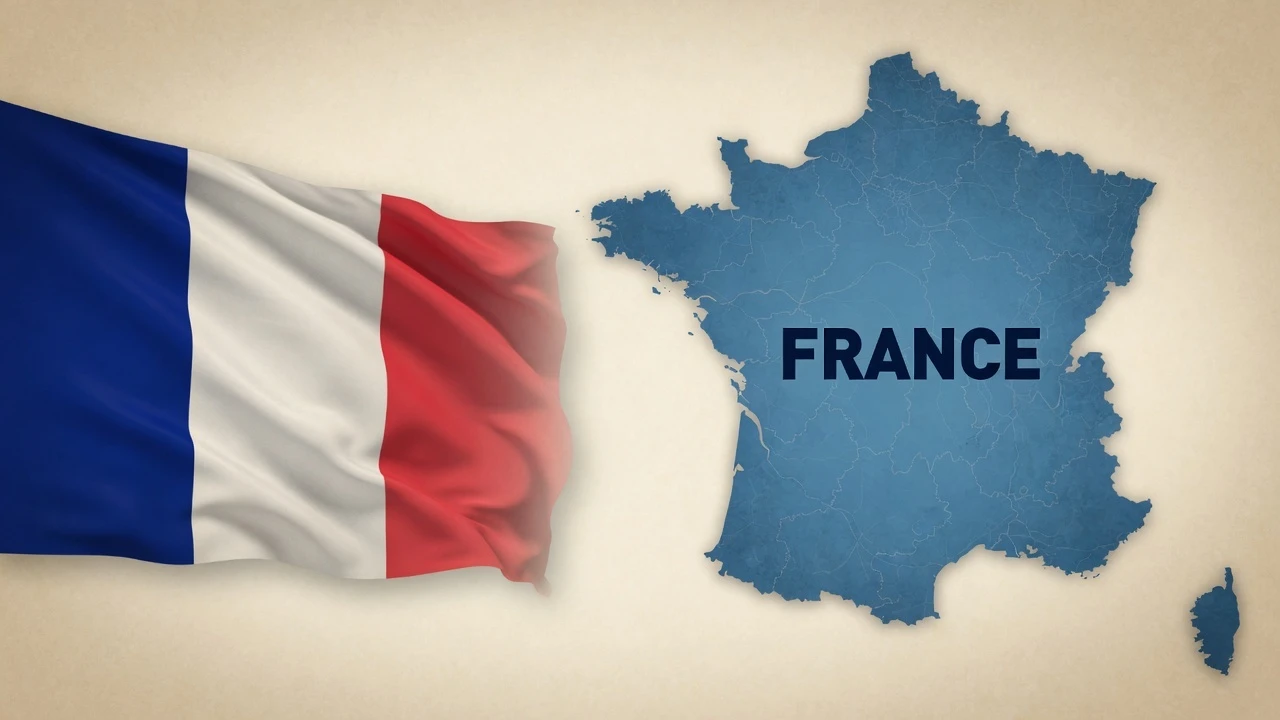
Chassagne sits south of Puligny, and until 1879 the commune was Chassagne-le-Haut. That year it was allowed to replace le Haut with Montrachet, the grand cru on its border. This bottle is the village blanc, appellation Chassagne-Montrachet. It is not that grand cru, and it is not the red of the same village.
The name is traced to the Latin cassanea, a wood of oaks. The village appellation covers just over half the commune. The vines average thirty years, on chalk and clay, and the fruit is picked by hand. If the village that took the name Montrachet in 1879 still tastes like peach and peppermint, what are you opening instead?
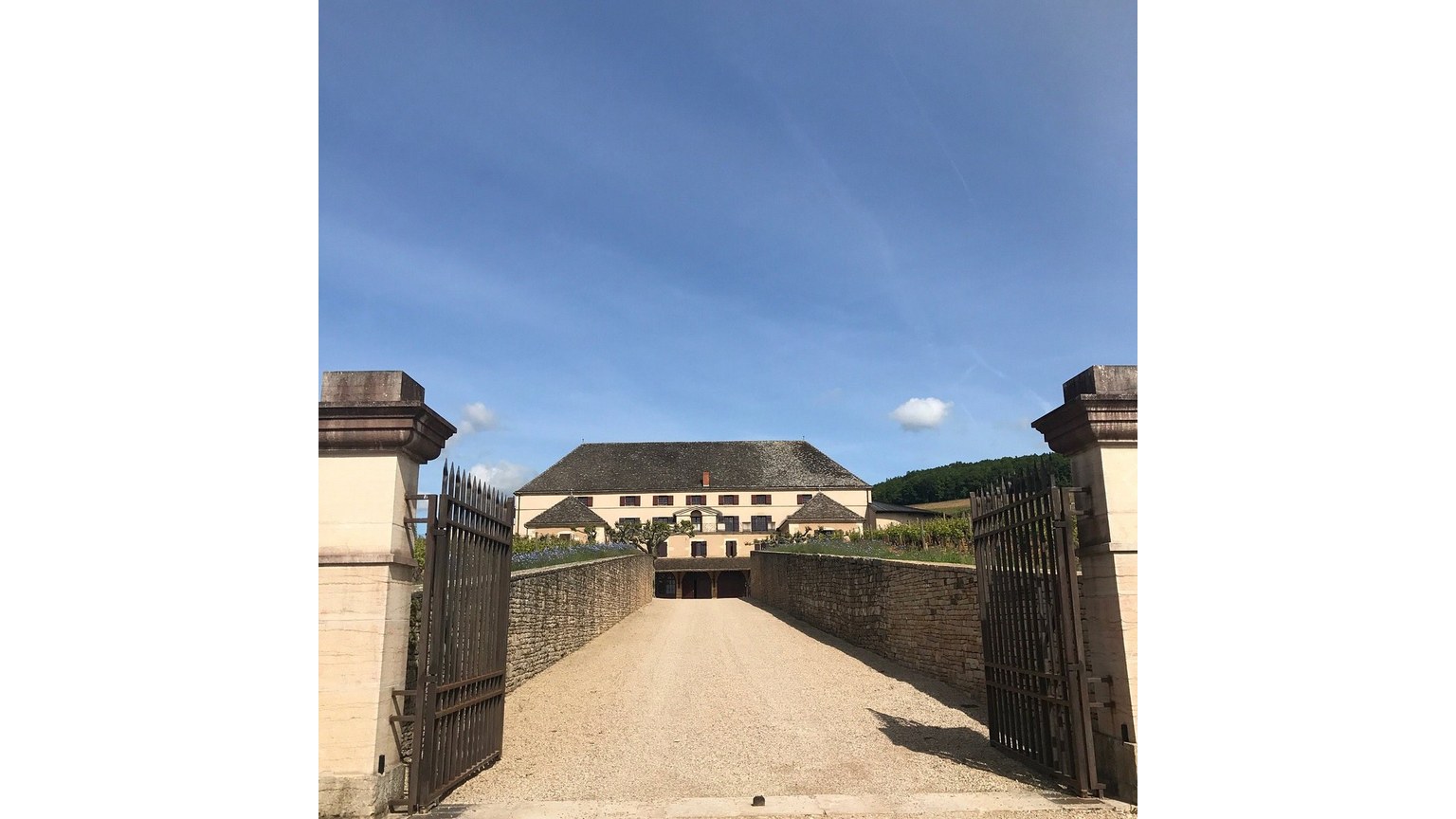
The photograph is the gated drive of a Louis Latour estate house on the Cote de Beaune. It is the firm's ground. The catalog bottle is the house's own photograph of this cuvee. The closure is a natural cork.
Chalk and clay, south of Puligny
The house puts this blanc on chalk and clay, and it cites a yield of 40 hectoliters to the hectare. That is a little tighter than the village Puligny beside it. The average vine is thirty years old. Harvest is by hand, the same discipline the house uses on the hill.
Chassagne-Montrachet is one of the white villages of the Cote de Beaune, and the village appellation is most of the commune. The grands crus along the border have their own labels. This one does not borrow them. The wine is Chardonnay, the whole of it.
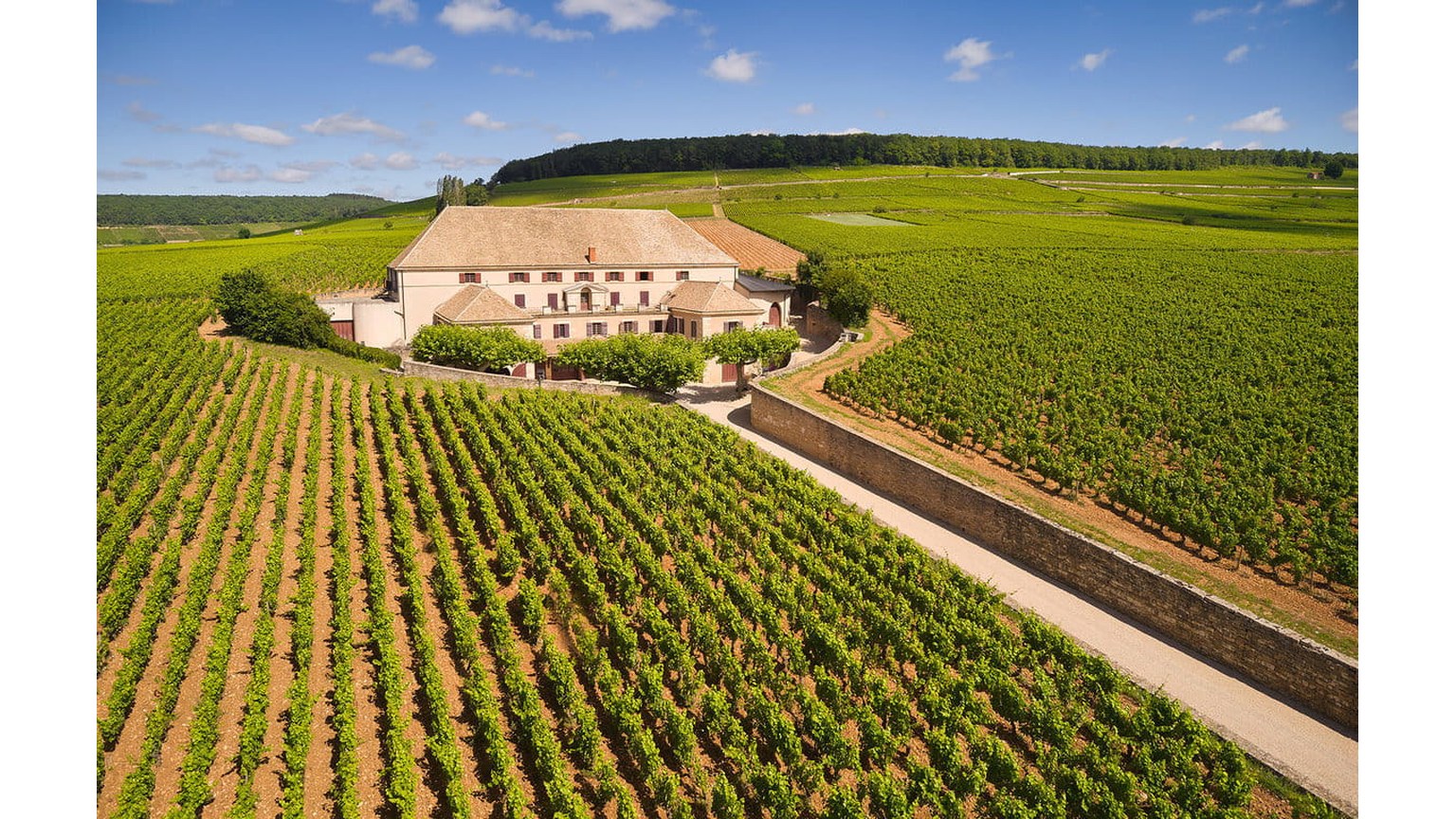
The photograph is an estate house of the firm among vines. Read it as the house's ground on the Cote de Beaune. It is not a picture of this village parcel, and it is not Corton.
Their coopers, then their barrels
Fermentation is traditional, in oak, and malolactic fermentation runs through the whole lot. The wine then stays 8 to 10 months in French oak from the Louis Latour cooperage, toasted in the middle range. Fifteen barrels in a hundred are new. The peach and the peppermint are meant to lead when you pour it.
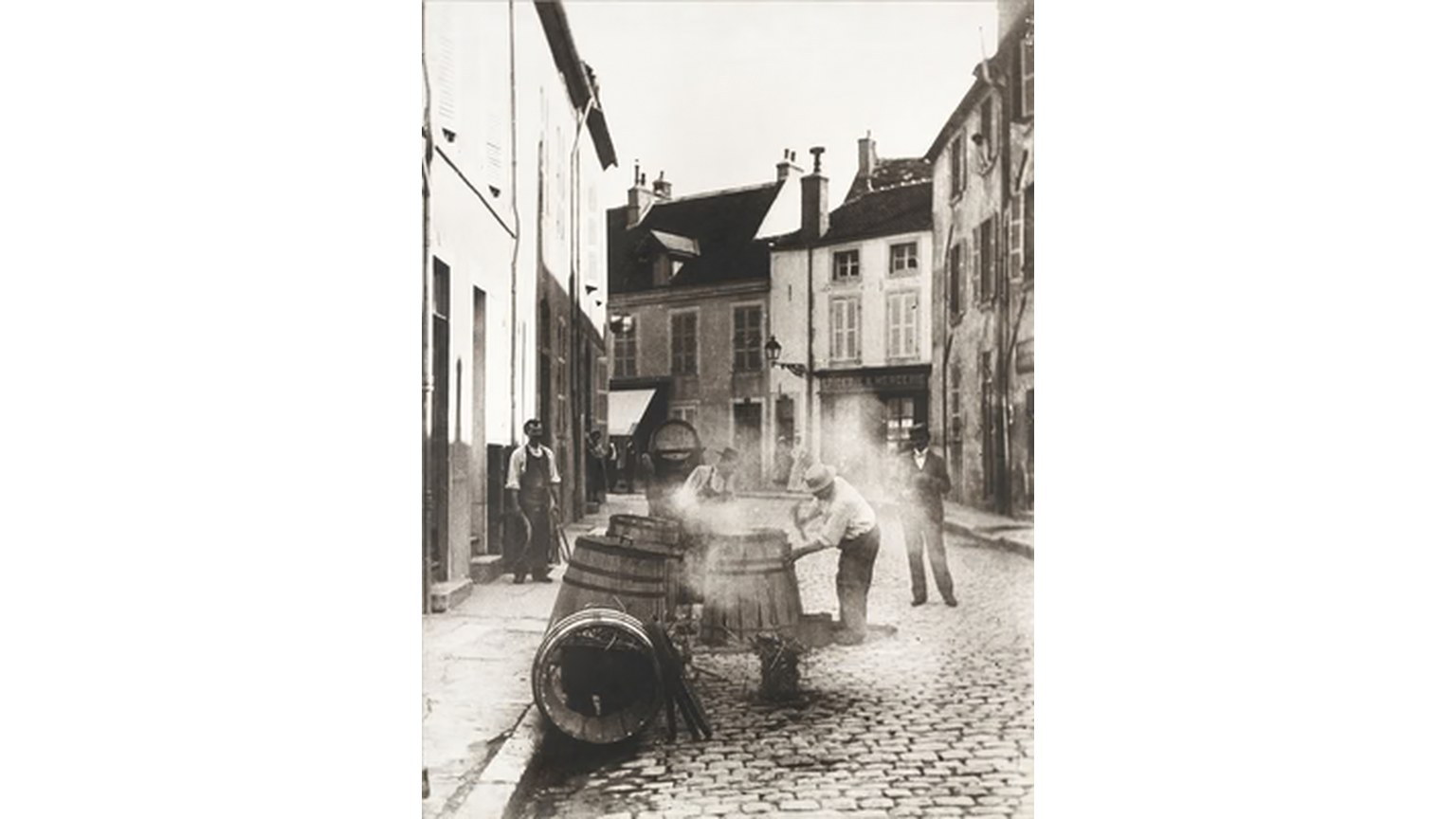
The house has kept a cooperage of its own. The old photograph is coopers finishing a barrel in the street, the trade this firm still practices. The film is the winery's own, of the gravity cuverie at Corton Grancey in Aloxe-Corton. That cellar is the house. This bottle is not Corton.
Six bottles are $594. Twelve are $1,188, and twelve ship free outside Hawaii and Alaska. The closure is a natural cork.
The cuverie at Corton Grancey, in Aloxe-Corton. The winery's own film. This bottle is the village blanc, not Corton.
Yellow peach, almond, and peppermint
The house note for this 2024 village blanc is a pale yellow with green highlights. The nose is almonds and yellow peaches. The palate is round and generous, with almond, apricot, and a hint of peppermint, and the house points to the length. Serve it at 11 to 13 degrees. Cellaring, on their sheet, is 3 to 5 years.
In March 2026, Mike DeSimone and Jeff Jenssen wrote in Robb Report of honeycomb, pineapple, and white flowers, then vanilla, pear, and marzipan. That is a press note for this white 2024. It carries no number, and this page does not invent one.
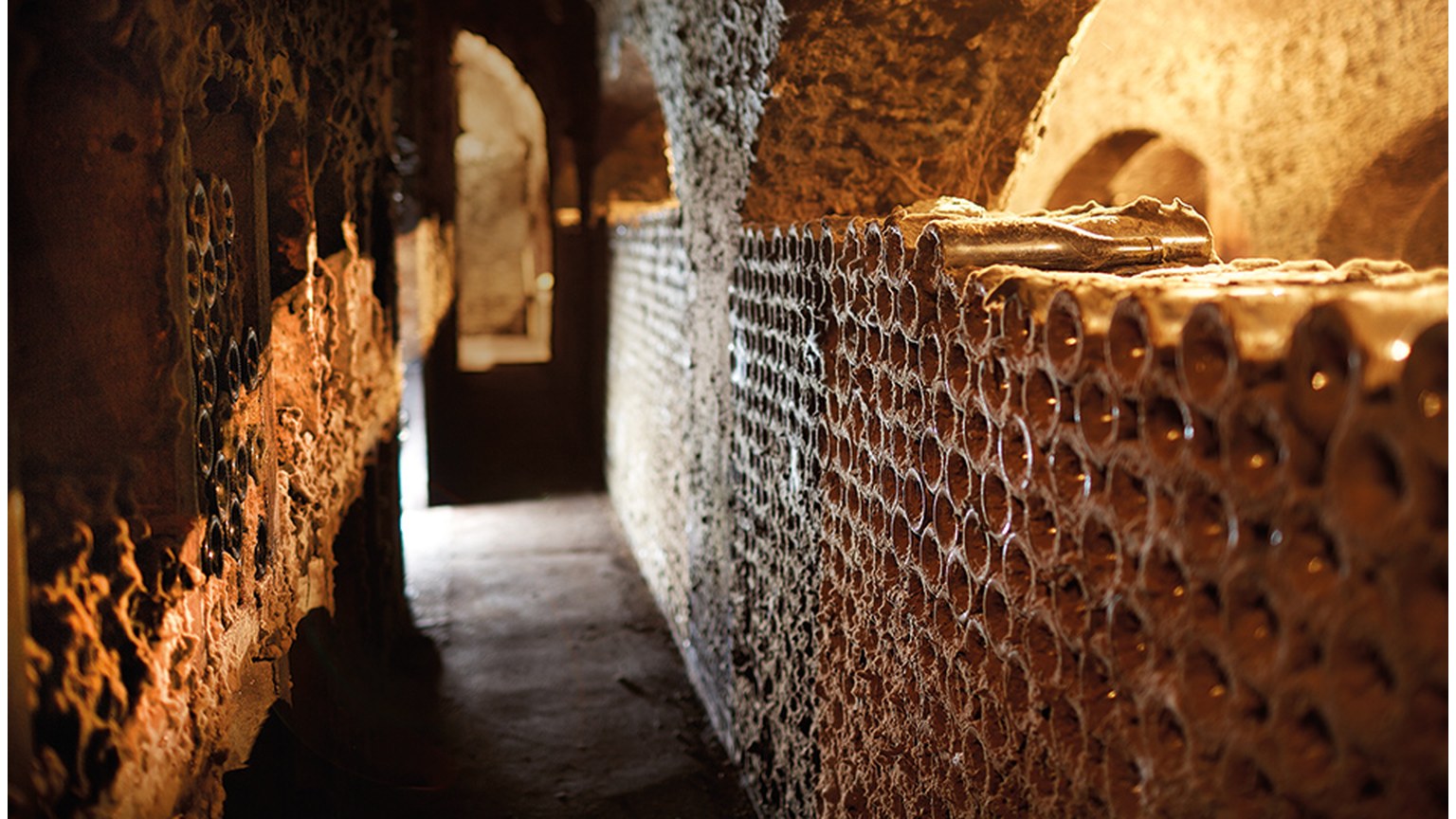
Wine-Searcher, checked on 2026-10-29, returned a low of $99.80 and an average of $119.76 for Louis Latour Chassagne-Montrachet 2024. This listing is the white village bottle at $99. The photograph is bottles stacked in an old cellar of the house.
Their barrels, and the coopers who make them
Louis Latour was founded in 1797 and is still in the family. The seal is a tower. The firm raises the wine and builds the barrels it ages in. This village blanc spends its 8 to 10 months in those barrels.
The film here is the winery's own, in English, on the cooperage. It shows how the barrels are made. It is not a tasting of this 2024, and it is not a claim that the village wine is a grand cru.
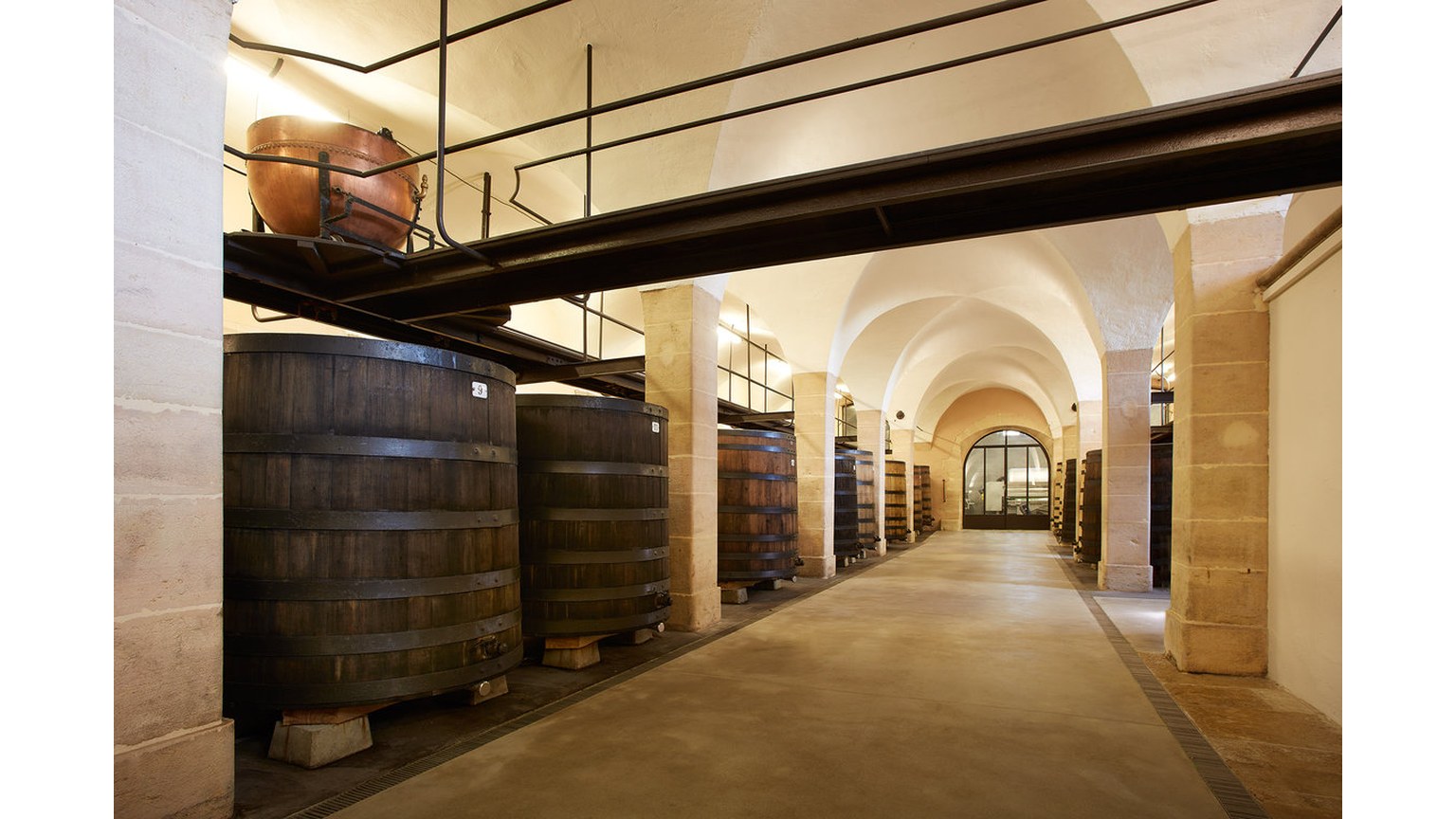
The photograph is the vaulted cellar, with large oak casks and a copper vat above them. That is the house at work. The bottle you add is the 2024 Chassagne-Montrachet blanc, natural cork.
The house cooperage, in English. The winery's own film.
A fish in the pan, and a goat cheese
The house pours this blanc with seafood, fish, charcuterie, or a goat cheese. Yellow peach and almond have the body for a seared fillet. The peppermint on the finish stays bright next to fresh cheese and herbs.
The two plates here are the fish and the cheese. Lemon on the fillet. Thyme on the cheese. Both leave the wine room to taste like peach rather than like a sauce. Serve it at 11 to 13 degrees.
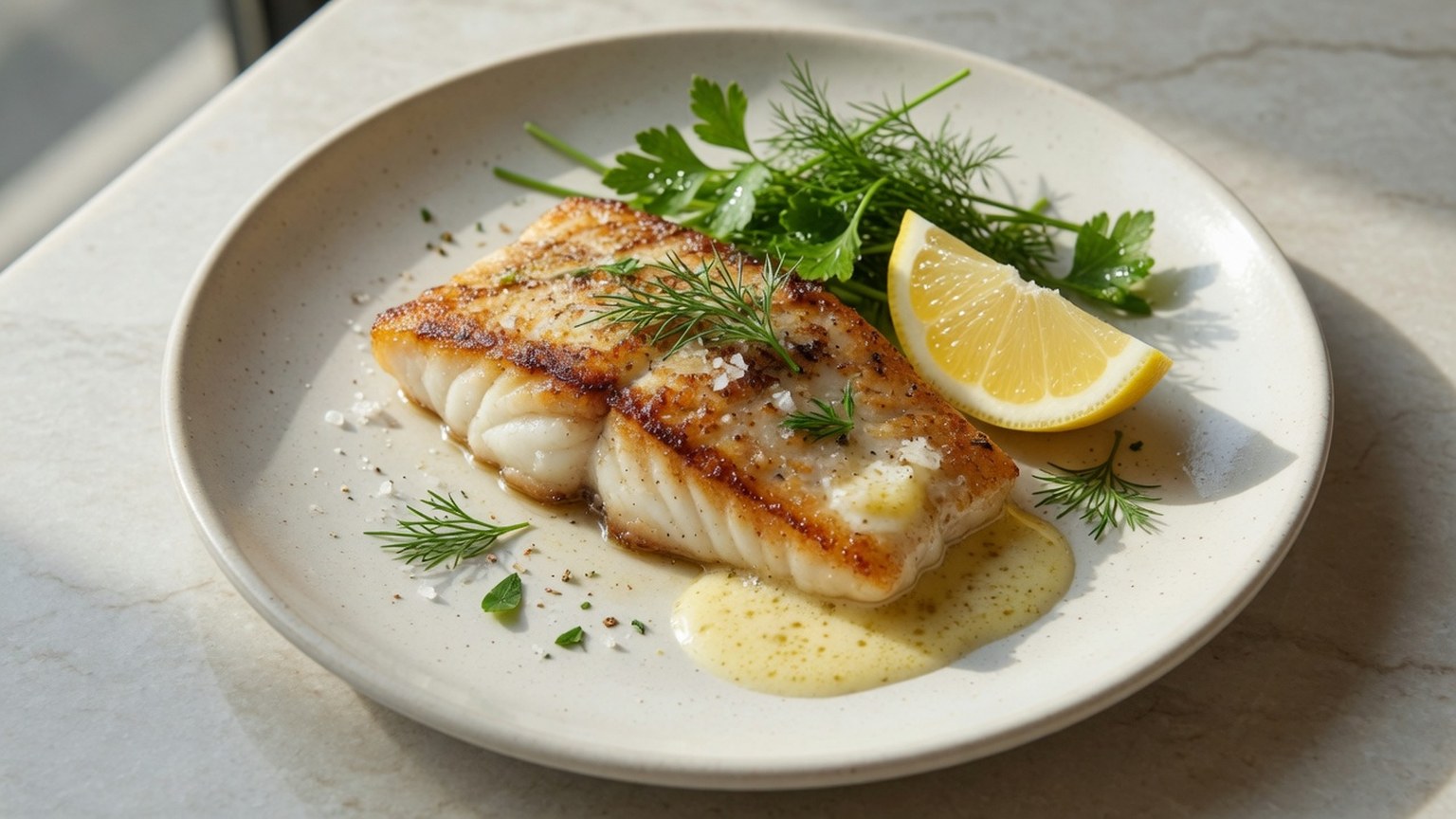
Pan-seared fish with lemon
A white fillet and lemon on the plate.
Why it works: The house points this village blanc at fish. The peppermint finish stays bright against the lemon.
View Recipe for crispy pan-seared fish (opens in a new tab)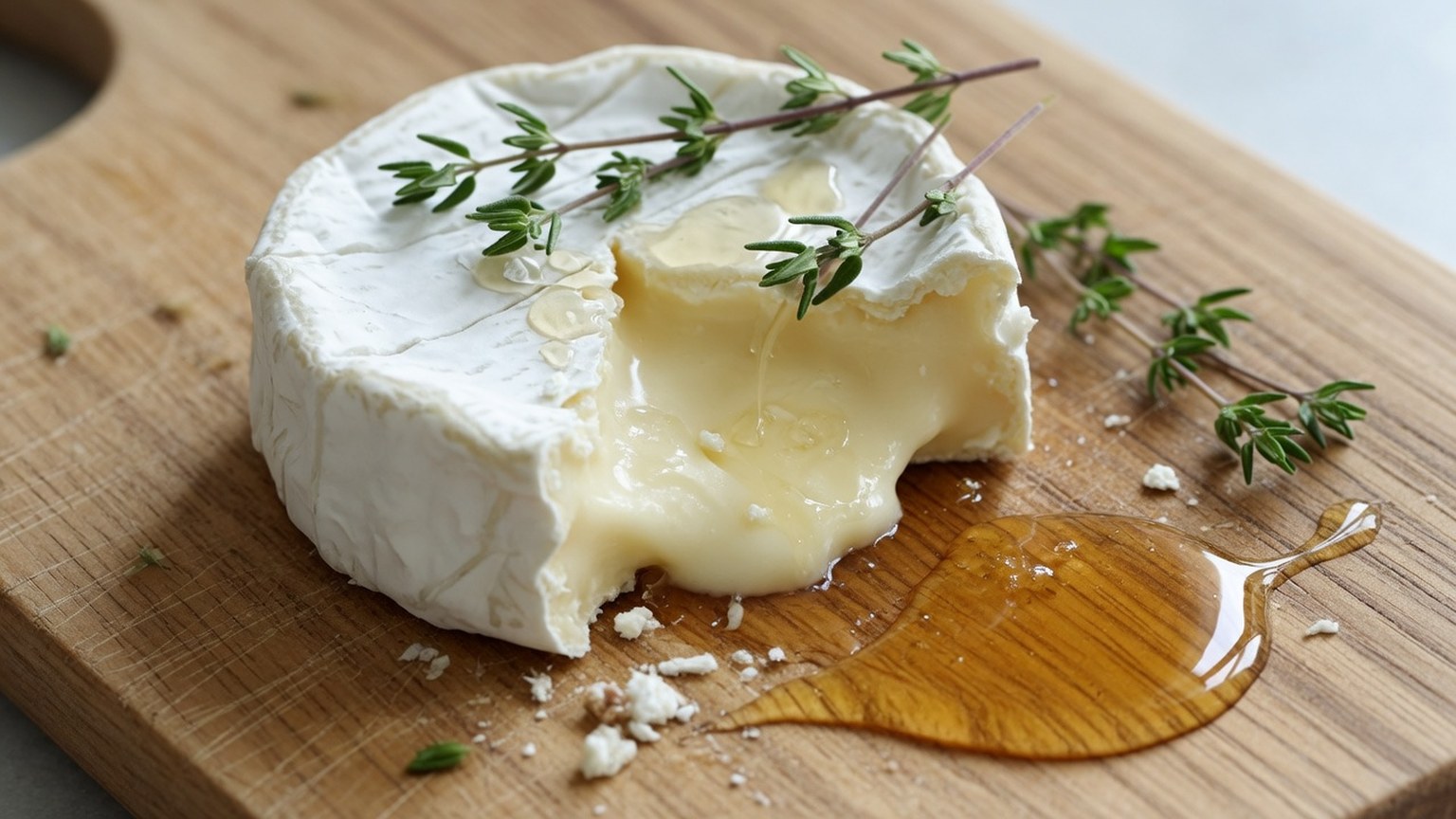
Goat cheese with thyme
A soft cheese with thyme over the top.
Why it works: Goat cheese is on the house list. The almond and peach in the glass meet the cheese without a heavy sauce.
View Recipe for goat cheese with thyme (opens in a new tab)Add the bottle.
The 2024 Louis Latour Chassagne-Montrachet, Cote de Beaune, France. Village blanc, yellow peach and peppermint, fifteen new barrels in a hundred, natural cork.
The bottle is $99. Add it.