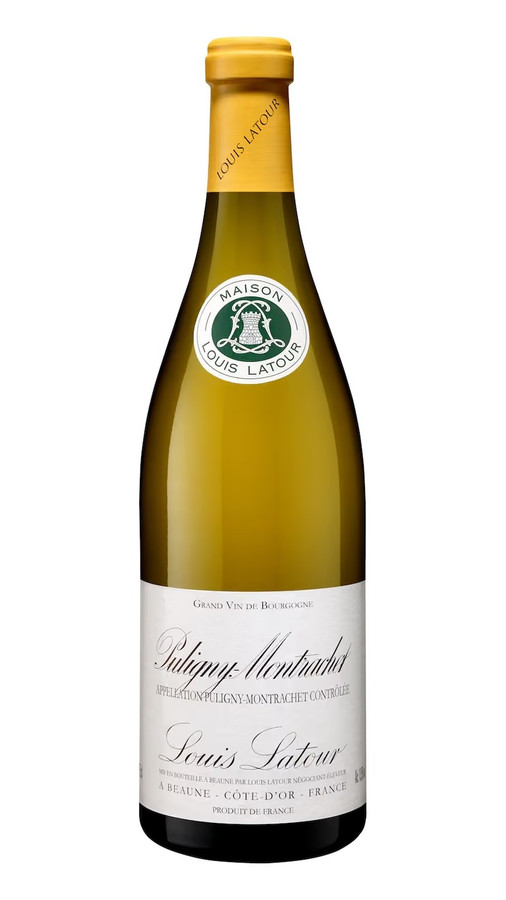
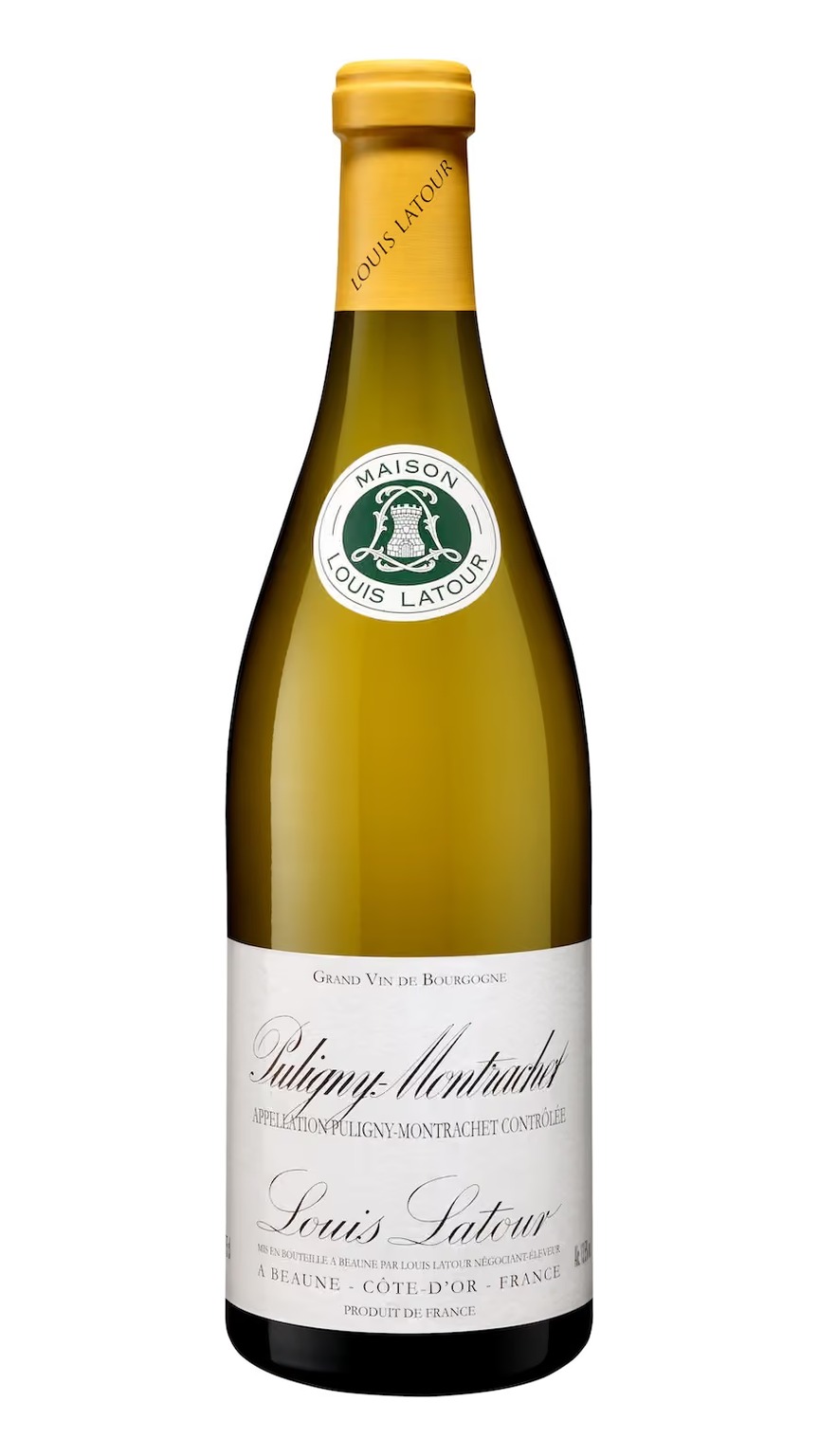
2024 Louis Latour Puligny-Montrachet, Cote de Beaune, France

The market on this bottle
Wine-Searcher tracks this 2024 Louis Latour Puligny-Montrachet, Cote de Beaune, France across the open market. Their published U.S. low is $129.52 and the average is $138.87. Our slash is $130.00.
Louis Latour • Puligny-Montrachet • 2024
2024 Louis Latour Puligny-Montrachet, Cote de Beaune, France
Village appellation. Chardonnay. Natural cork.
This is the village Puligny-Montrachet from Louis Latour, the white between Meursault and Chassagne. The vines average thirty years on limestone and scree. The bottle is $130.
The village between two famous neighbors
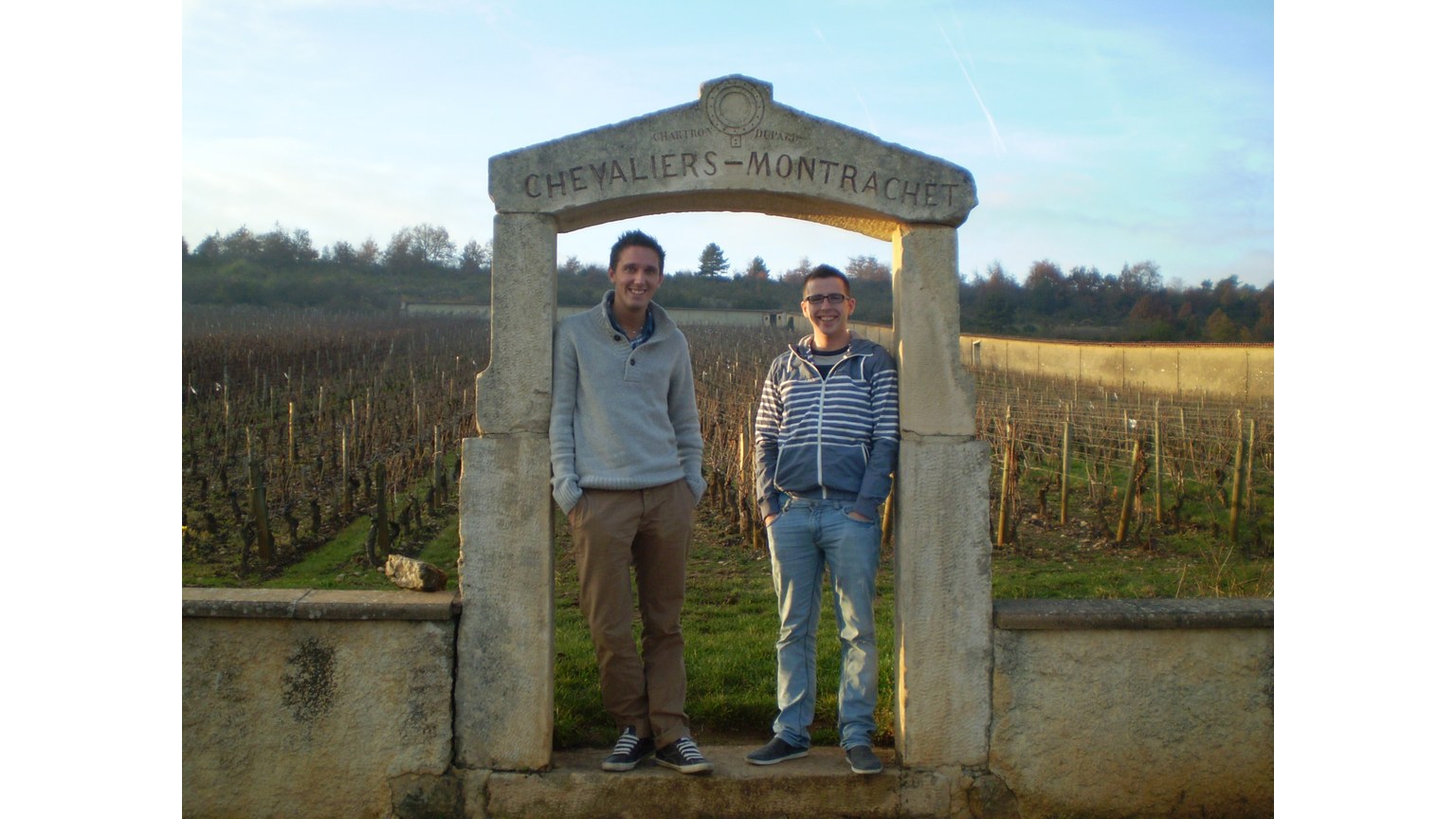
The stone arch in the photograph is carved Chevaliers-Montrachet. It stands in the commune of Puligny, at a grand cru. This bottle is the village wine, appellation Puligny-Montrachet, not that cru. The place covers 216 hectares between Meursault and Chassagne-Montrachet.
The village name goes back to Puliniacus, a Gallo-Roman camp, and Montrachet was added in the last century. The vines average thirty years. Harvest is by hand. If the village between Meursault and Chassagne can taste like toasted almond and a saline mineral finish, why wait to pour it?
Louis Latour has been at this work since 1797, and the house still runs its own cooperage. What you are holding is the village blanc. Chardonnay, the whole of it, under a natural cork.
Limestone, scree, and thirty-year vines
The house puts these vines on limestone and scree, and it cites a yield of 45 hectoliters to the hectare. That is village ground, not a single named climat. The average vine is thirty years old, old enough to keep the wine in a frame and young enough to stay generous.
Puligny sits in the middle of the white villages of the Cote de Beaune. Meursault is to the north. Chassagne-Montrachet is to the south. The grands crus of the hill have their own names. This cuvee is the village appellation around them, and the label says so.
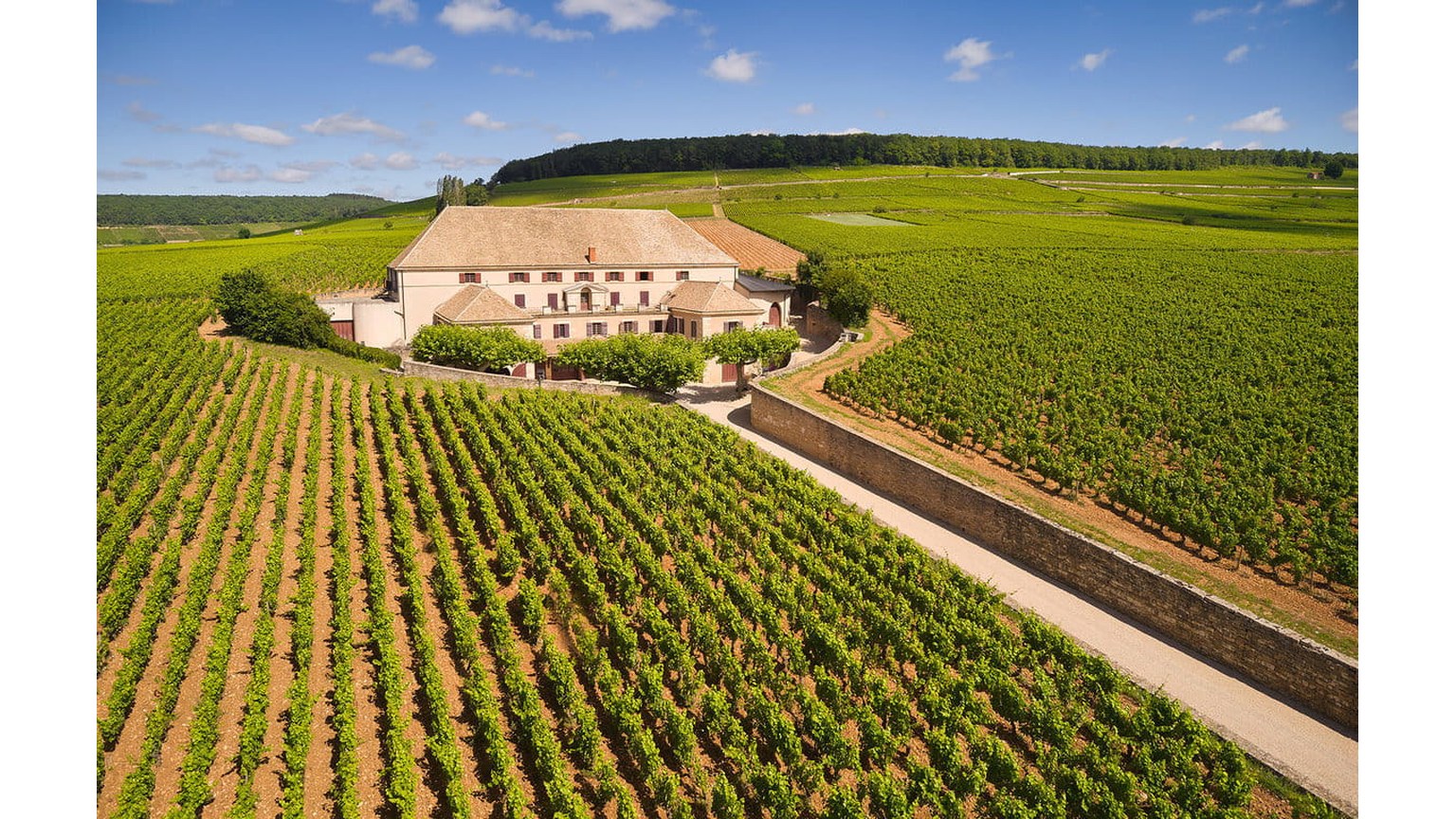
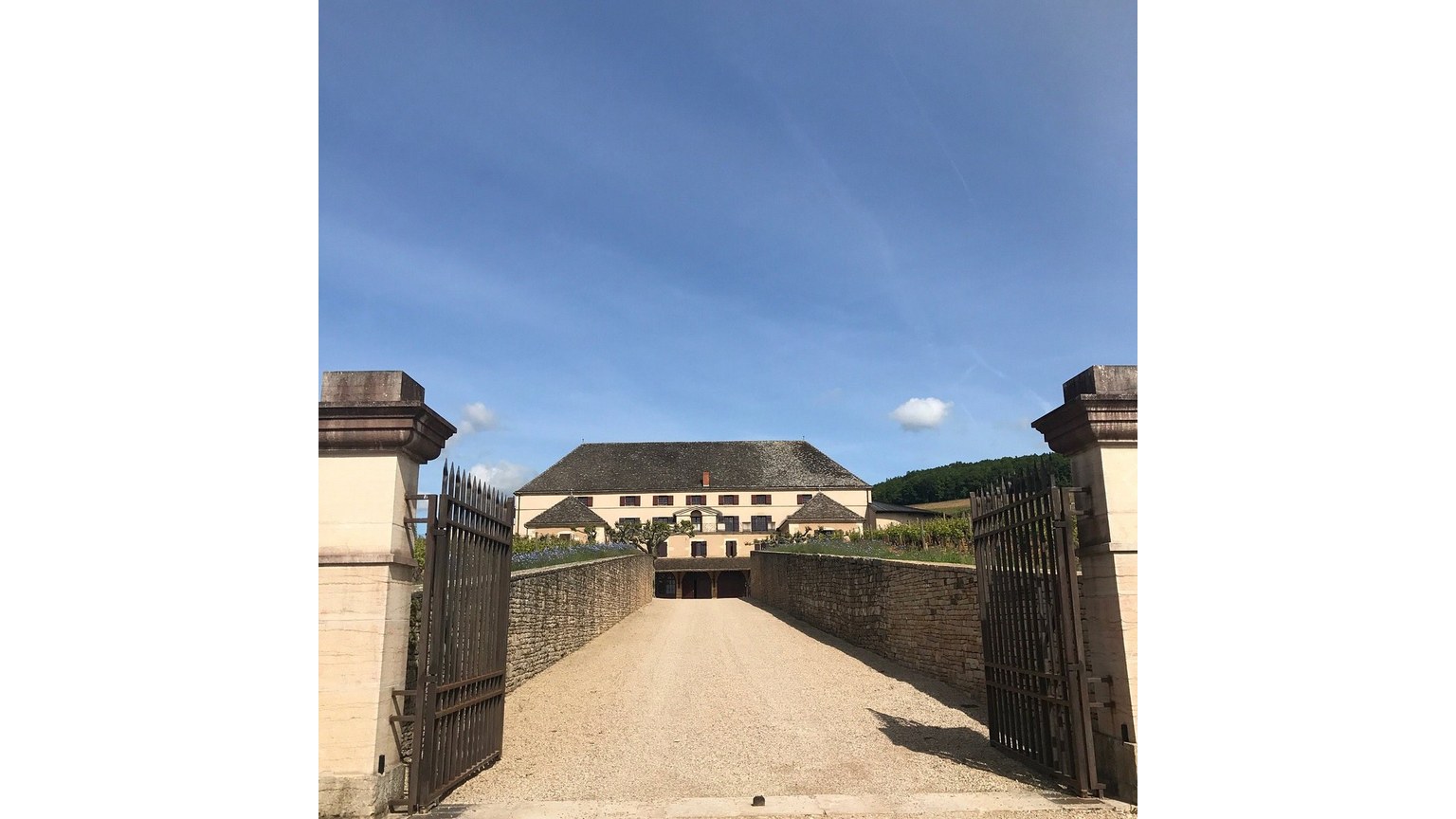
The photograph is an estate house of the firm, set in vines on the Cote de Beaune. Read it as the house's ground. It is not a picture of this village parcel, and it is not Corton.
The house barrels, and only a few of them new
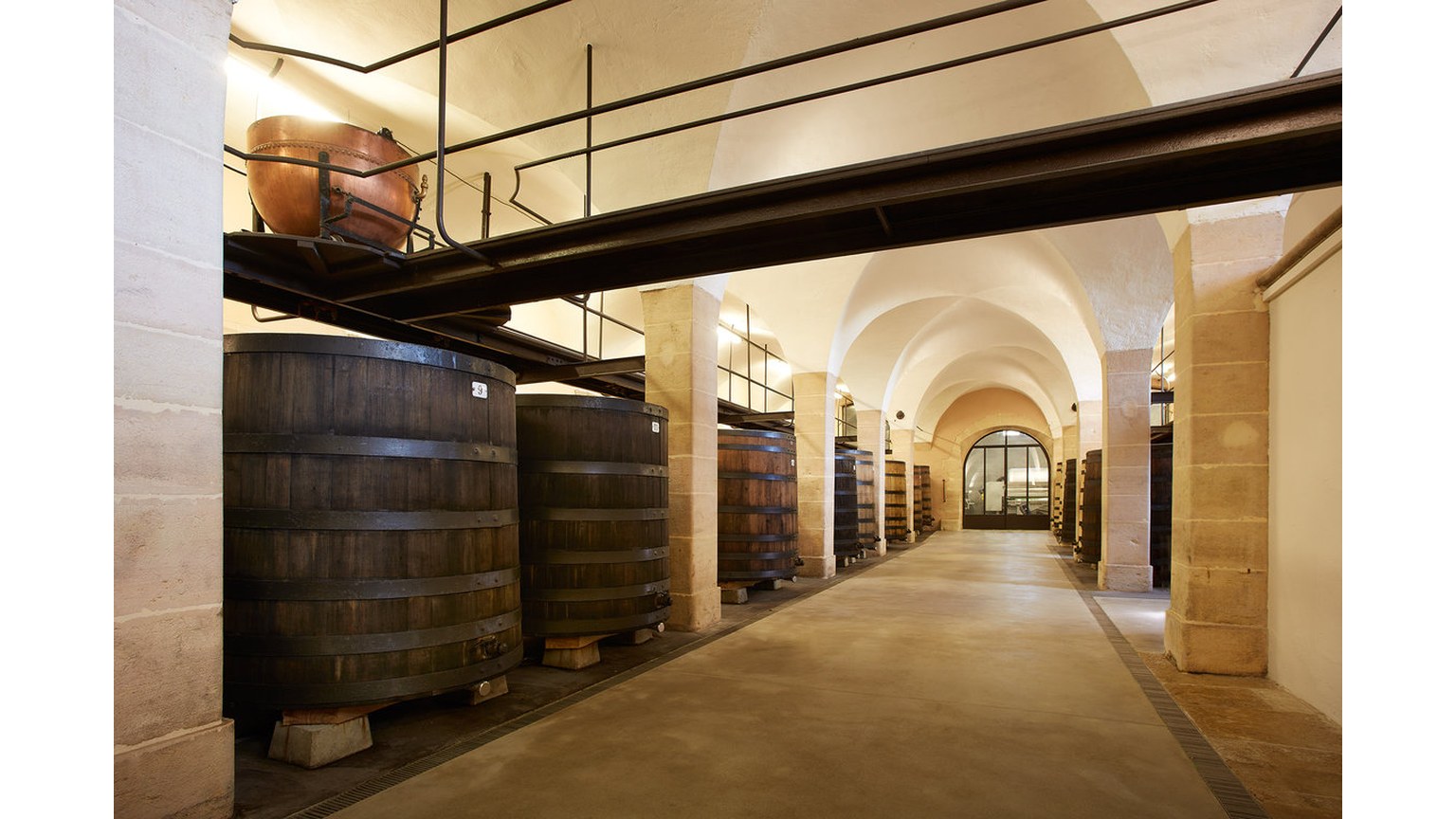
The juice ferments in oak in the traditional way, and malolactic fermentation runs through the whole lot. Ageing is 8 to 10 months in French oak from the Louis Latour cooperage, toasted in the middle range. Fifteen barrels in a hundred are new. The oak seasons the wine. It is not asked to cover the almond and the mineral line.
That cooperage belongs to the house. The film here is theirs, in English, on the coopers at work. It is about how they build barrels. It is not a tasting of this 2024.
Six bottles are $780. Twelve are $1,560, and twelve ship free outside Hawaii and Alaska. The closure on this bottle is a natural cork.
The house cooperage, in English. The winery's own film.
Toasted almond, then a saline finish
The house note for this 2024 is a bright pale yellow with green highlights. The nose is toasted almond and vanilla. Mint and a green freshness run through a generous texture, and the finish is mineral, nearly saline. Serve it at 11 to 13 degrees. The house gives it 3 to 5 years in the cellar.
Anne Sewell Briggs scored this 2024 village Puligny-Montrachet 94. She wrote of elderflower, acacia, honeysuckle, and white peach, with lime zest and a stony mineral line, and a finish that stays crisp. That note is for this vintage of the village wine.
Wine-Searcher, checked on 2026-10-29, returned a low of $130.40 and an average of $139.72 for Louis Latour Puligny-Montrachet 2024. This bottle is $130. The photograph is bottles stacked in an old cellar of the house.
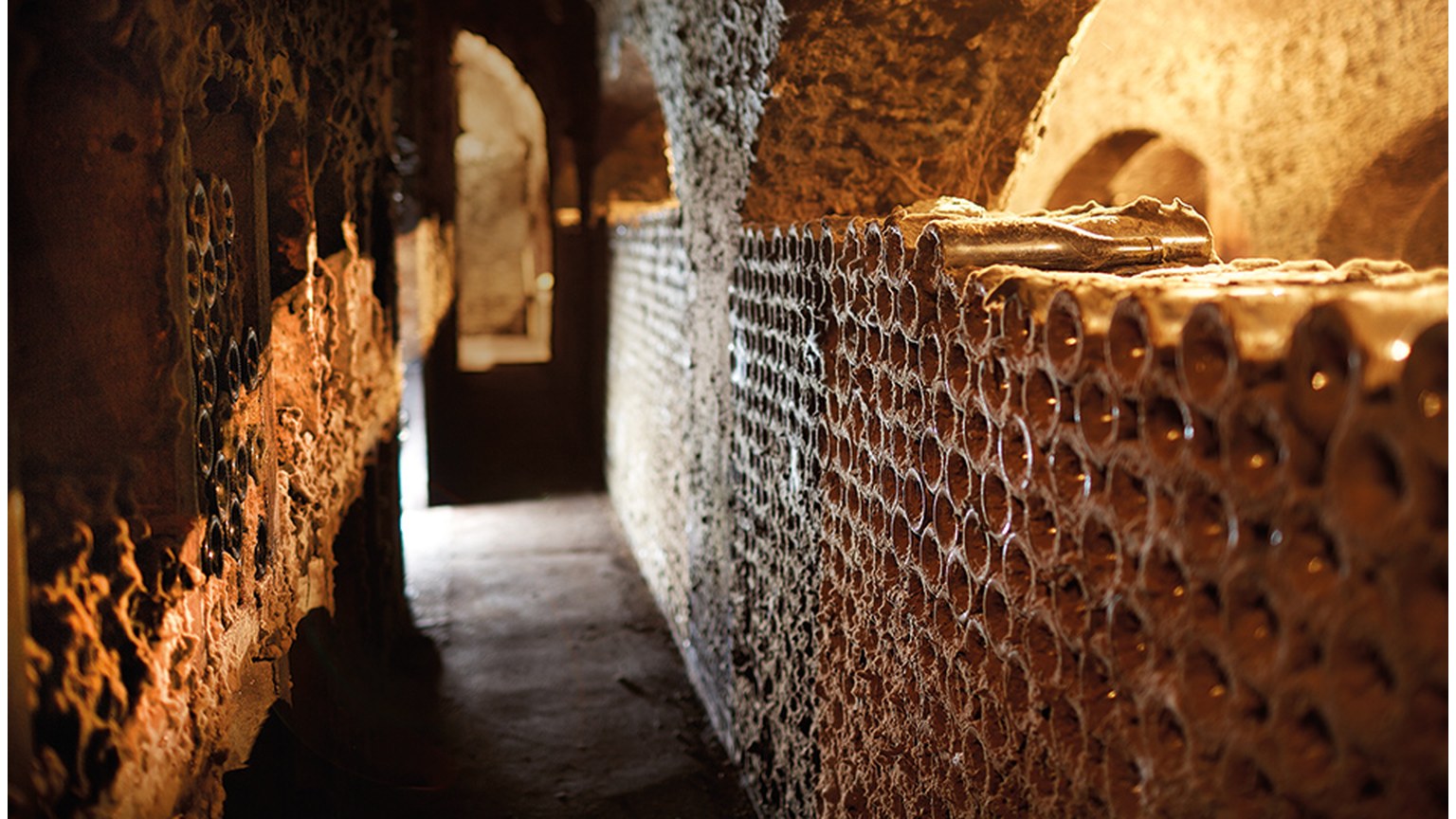
A family firm, and a gravity cellar that is not this wine
Louis Latour was founded in 1797 and is still in the family. The mark on the seal is a tower, and the house still raises and ages its own wines. The village Puligny on this page is one of those wines, fermented and aged in the firm's barrels.
In Aloxe-Corton the house has a gravity cuverie at Corton Grancey. The film that follows is theirs, of that cellar. Watch it for the house. These bottles are not Corton, and they are not Chevalier-Montrachet. They are village Puligny-Montrachet.
The photograph is the gated drive of an estate house on the Cote de Beaune. It shows the firm's ground. The wine in the cart is the 2024 village blanc, natural cork.
The cuverie at Corton Grancey, in Aloxe-Corton. The winery's own film. This bottle is the village wine, not Corton.

Poached eggs, or a whole fish from the coast
The house pours this with poached eggs in a white wine sauce, a Provence-style dorade, ham-wrapped veal, or Chaource. The almond and the vanilla have enough body for a sauce. The saline finish keeps the plate from sitting heavy.
The two plates here follow the first two. The eggs are poached, which is how that white wine sauce begins. The fish is roasted whole with herbs, in the spirit of the dorade the house named. Serve the wine at 11 to 13 degrees.
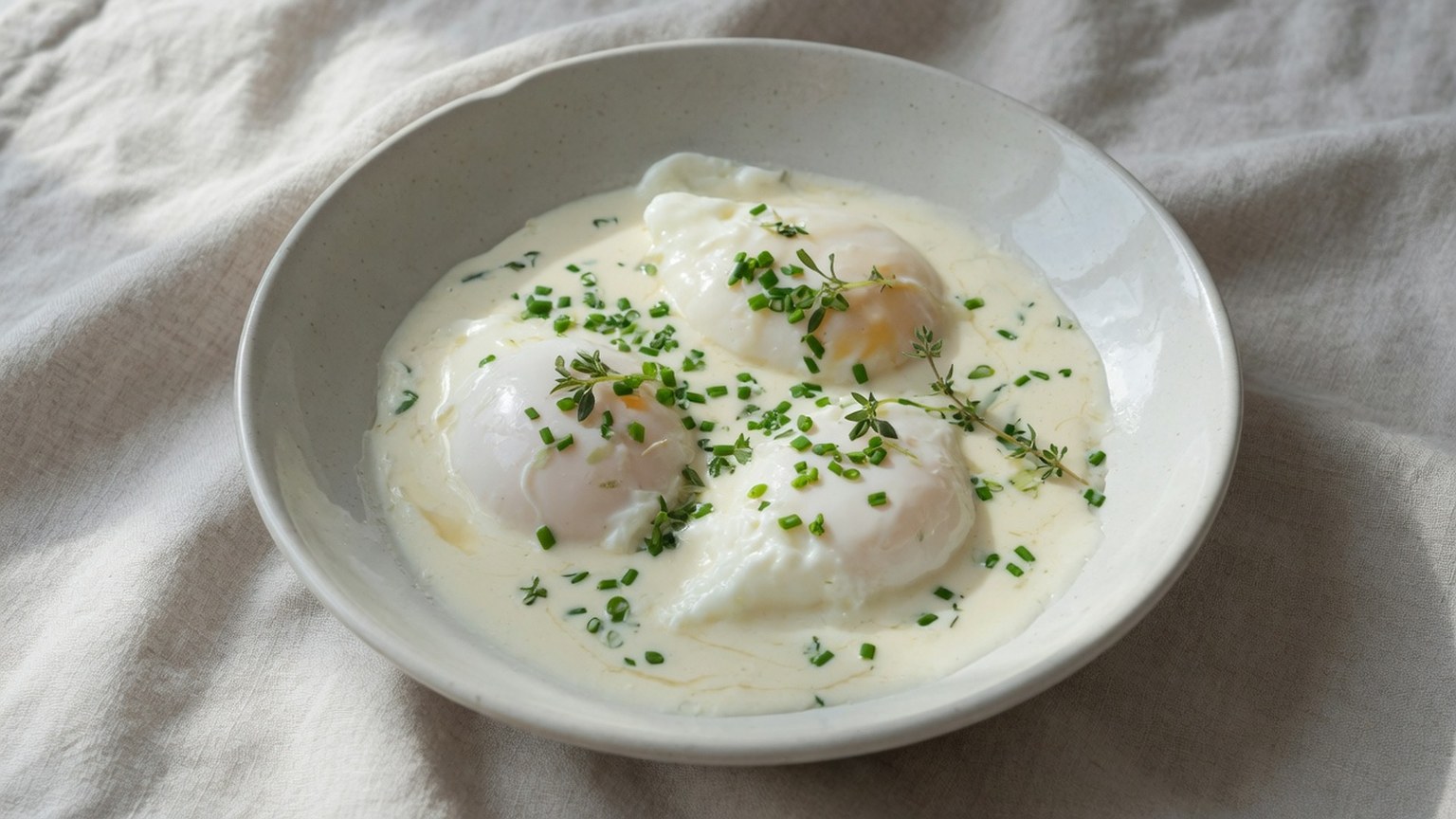
Poached eggs in a white wine sauce
Soft eggs, a pale sauce, herbs on top.
Why it works: The house names poached eggs in a white wine sauce. The toasted almond in the glass has the richness for it.
View Recipe for foolproof poached eggs (opens in a new tab)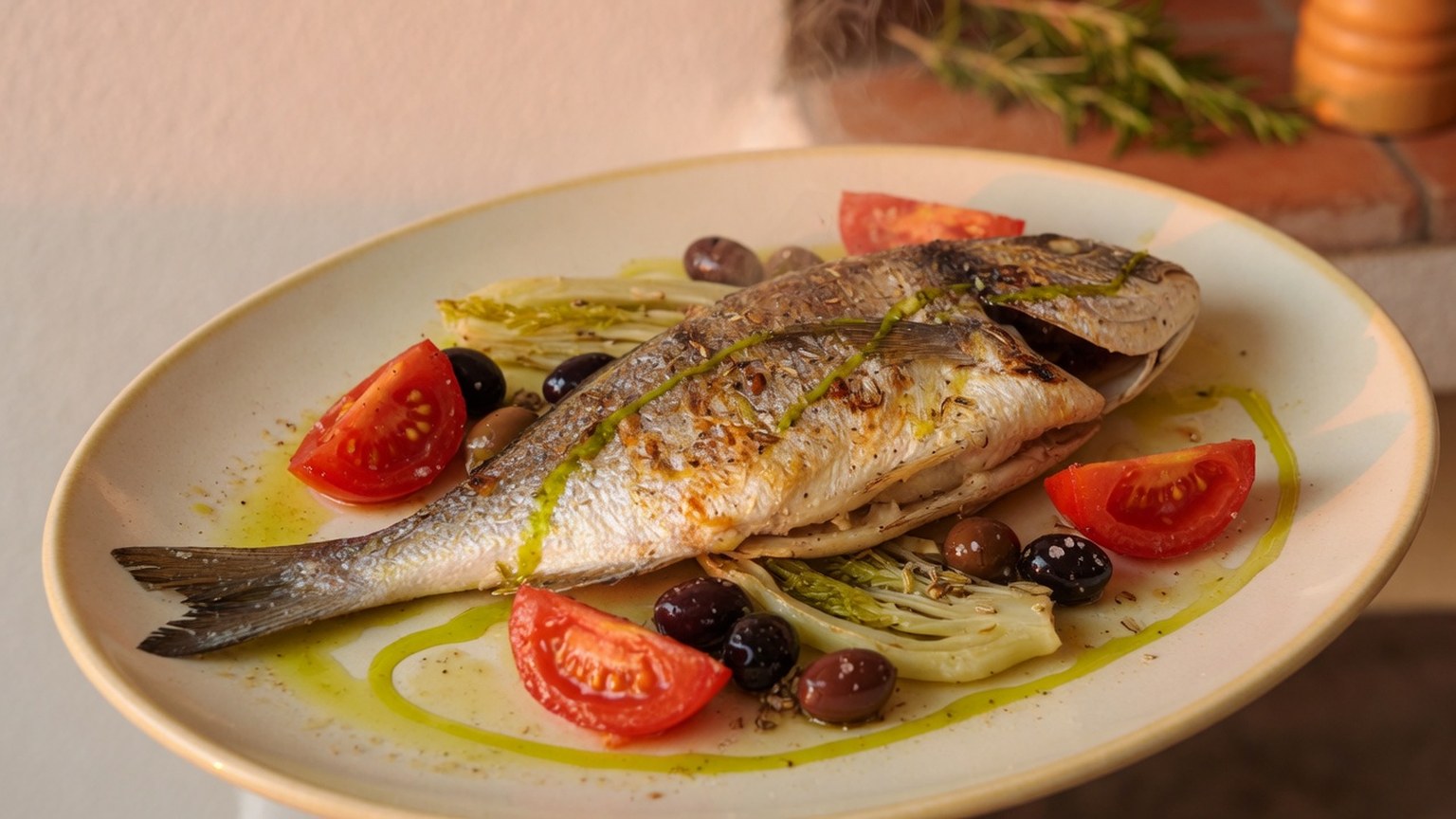
Herb-roasted whole fish
A whole fish, herbs, tomato, and olive oil.
Why it works: The house names a Provence-style dorade. A whole fish roasted with herbs leaves the mineral finish intact.
View Recipe for herb-roasted whole branzino (opens in a new tab)Add the bottle.
The 2024 Louis Latour Puligny-Montrachet, Cote de Beaune, France. Village Chardonnay, toasted almond, fifteen new barrels in a hundred, and a saline mineral finish.
The bottle is $130. Add it.